




Register to get free articles
Want unlimited access? View Plans
Already have an account? Sign in
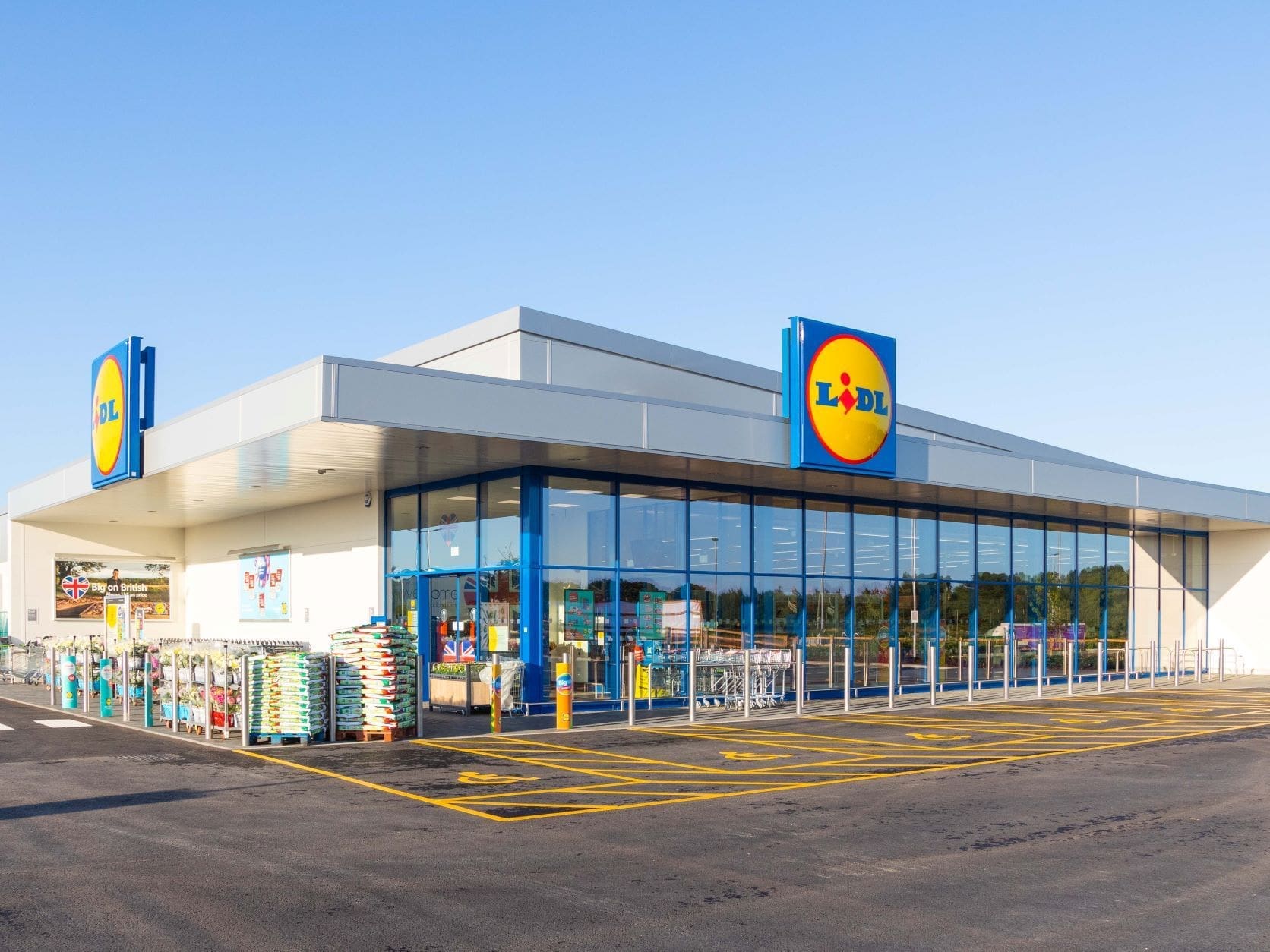
Lidl’s UK arm has been hit by a rise in its borrowing costs, with its interest bill on debts almost trebling to £108m, according to This Is Money.
The paper said this marked the “first serious setback” for Lidl in its UK operations, which has seen its share of the market rise in recent years.
Sources said that because Lidl is privately-owned by the Schwarz family, this “allows them to take a long-term view and absorb any losses”.
However, Lidl still relies on external loans from banks for “at least half” its financing, according to Marc Houppermans from Discount Retail Consulting. He told This Is Money that this will “act as a drag” on Lidl’s future expansion plans.
Lidl reportedly has almost £3bn of debts due to be repaid in the next five years. It has recently slowed its store opening programme and laid off staff in its property buying division.
Last month, Lidl reported a loss before tax of £75.9m despite seeing an 18.8% increase in its revenues to £9.3bn in FY23, according to its accounts for the 52 weeks ending 28 February 2023.
Its EBITDA also dropped to £28.5m compared with £79m FY22 as it invested over £100m in keeping prices low for customers.
Despite that, Lidl’s market share increased from 6/1% to 7.1% as the company attracted an additional 1.4 million shoppers.
It also maintained its position as the UK’s “highest-paying” supermarket by investing almost £50m in increasing the minimum hourly rates for store colleagues
Lidl said that this was the “most rapid growth” it had experienced in five years.