



Opportunities abound in the stock market, and being a retail investor is one way to benefit. Retail investors have been dubbed an integral part of the financial market, and this guide examines their role.
Who Is a Retail Investor?
A retail investor is an individual who trades financial assets with little or no expertise. Retail investors typically invest in financial assets like bonds and stocks using their money.
You’re a retail investor if you have a stock or some ETFs in your name. Due to the need for an in-depth understanding of the market, the Securities and Exchanges Commission (SEC) has more protective regulations for retail investors. The SEC is committed to enforcing rules, educating, and ensuring individuals feel confident and protected in the finance market.
The increasing support and protection have contributed to rising retail investor statistics. According to Bloomberg Intelligence, retail investors will account for 22% of the finance market in 2021. Currently, IBISWorld puts the US retail investors’ market at 7.6 trillion dollars, a huge increase from its valuation in early 2023.
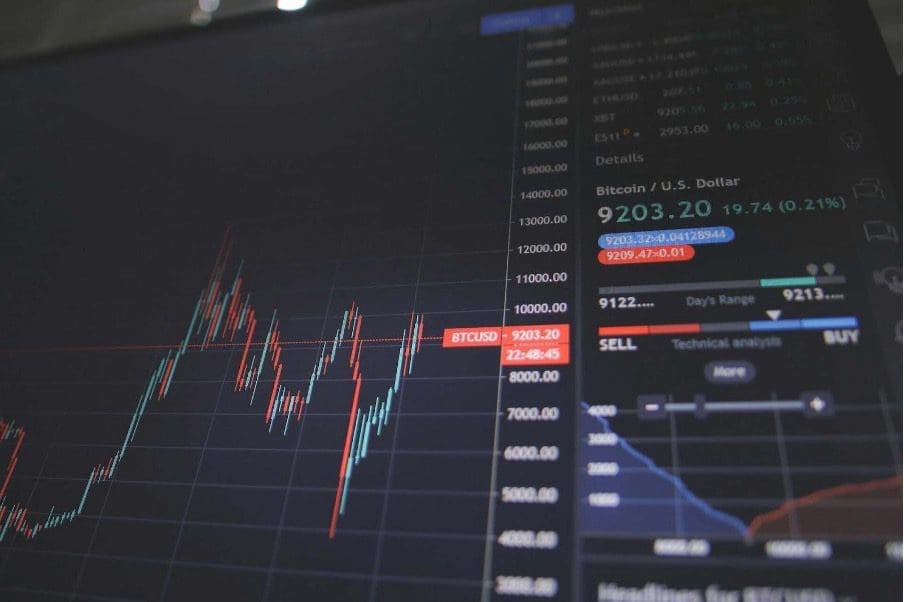
The ease of entering the finance market has also contributed to the swelling statistics. Now, individuals can buy assets and manage their portfolios from their homes. Access to tools like TradingView to make accurate fundamental and technical analyses has made trading easier for retail investors.
Although retail investors typically pay higher taxes and commissions, they enjoy incentives like no-fee trading and a low minimum investment deposit, which reduce the entry barrier into the finance market.
How Do Retail Investors Differ from Institutional Investors in the Stock Market?

Unlike retail investors, institutional investors do not invest with their own money. Instead, they help different individuals do so. They are the big players in the market and have the expertise and experience to make successful trades more often. Institutional investors are the big boys of the finance market. They get lesser protection from the SEC due to their expertise and significant influence.
Institutional investors contribute the most to the market’s high trading volume and remain a safer medium of benefitting from the finance market. They have better knowledge, experience, expertise, and chances of success than retail investors. Hedge funds, insurance companies, private equity firms, and investment banks are examples of institutional investors.
How Retail Investors Can Affect the Stock Market
Retail investors have grown in size and might over time. Hence, they’ve become a vital part of the market, holding some degree of influence. While their contribution to the market is low individually, the opposite is the case collectively. Retail investors have contributed immensely to the market’s liquidity, and their growing numbers give them the power to shape market sentiment.
Retail investors have the influence to drive stock prices, determine market direction, increase market efficiency, generate liquidity, and improve market diversification.
They have also been credited for capital formation, as they are an essential funding source for cooperates in the capital market. They provide businesses with a more stable source of investment because they invest longer than most institutional investors. Past events have shown retail investors are crucial to economic growth and market building and significantly contribute to improved liquidity.
Coordinated/collective buy and sell actions from retail investors have resulted in significant market changes. Collectively, they have effects similar to those of institutional investors on the market, albeit at a lesser magnitude. Thus, it’s vital to protect their interests, educate them, and ensure they follow regulations to ensure more positive actions in the market.

Common Concerns About Retail Investors
While retail investors’ roles in the market are primarily positive, their lack of expertise sometimes poses a threat. Retail investors sometimes ignore the basic rule of thumbs, trading with instincts, which makes them susceptible to behavioural biases.
Also, their need to understand market dynamics prompts them to panic sell sometimes. Doing this collectively (crowd trading) usually drives the price of an individual stock down due to nothing else but their FUDs (Fear, Uncertainty, and Doubt). This is why professional investors refer to them as “dumb money.”
Professional investors believe they lack the know-how, discipline, and emotional intelligence to make suitable investments, but they’ve proven to be a force to reckon with over time.
How To Become a Retail Investor
Retail investors play crucial roles in shaping the market and driving economic growth, making them an essential part of the finance market. Reduced barriers to market entry have also increased the number of retail investors. Becoming a successful retail investor is now more accessible, and you can start by learning more with the wealth of online information.