
Popular now
Shopify to expand AI use as Q4 revenues rise 31%

Shopify to expand AI use as Q4 revenues rise 31%

Public want influencer ads clearly labelled, ASA research reveals

Public want influencer ads clearly labelled, ASA research reveals

Jollyes appoints chief marketing and supply chain directors

Jollyes appoints chief marketing and supply chain directors

Consumer spending slumped over 30% in April
Consumer spending slumped over 30% in April

On this episode of Talking Shop I am joined by Zipline CEO and co-founder Melissa Wong. We discuss how Melissa’s 10 years’ of frontline experience informed her approach to building a SaaS company, the recurring operational frustrations that most head offices still underestimate, and why she believes technology should be designed with the store associate as the primary user. We also explore current trends in store execution and how retailers can bridge the gap between corporate strategy and the shop floor.

Register to get 2 free articles

Reveal the article below by registering for our email newsletter.

No spam Unsubscribe anytime

Want unlimited access? View Plans

Already have an account? Sign in

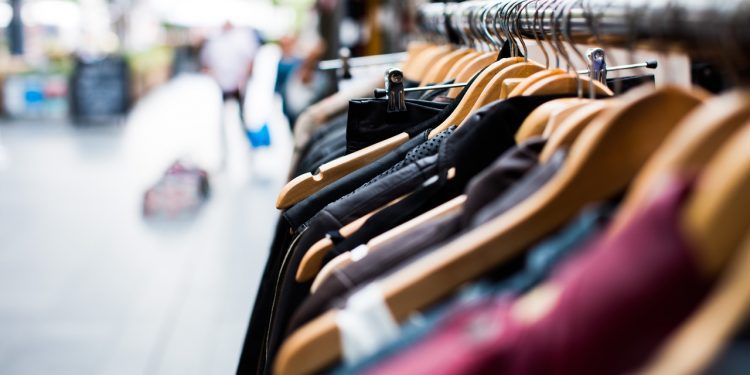
Consumer spending contracted by 36.5% year-on-year in April, according to new data from Barclaycard.


The research revealed that spending on essential items declined by 7.5%, which can largely be attributed to a 58.9% reduction in fuel spend.

Supermarkets, meanwhile, continued to see a boost in sales – climbing 14.3% as Brits made larger shops and prepared more meals at home.

Spending on non-essentials fell by 47.7% with travel, which includes public transport, seeing a decline of 86.8% as much of the UK stopped commuting. Bars, pubs and clubs also contracted by 96.9%.

Barclaycard said food and drink specialist stores, which includes off-licences, greengrocers, independent convenience stores, butchers and bakeries, were a “bright spot”, seeing 37.7% growth.

Additionally, UK adults are planning to spend more in local retailers including butchers (27%), cafés and restaurants (26%) and farmer’s markets (23%) when restrictions are lifted.

With many shops closed and much of the nation not commuting, almost nine in 10 UK adults (88%) have saved money on everyday expenses since the lockdown began.

Barclaycard said these savings may partly explain why the UK’s confidence in its household finances remains resilient at 70% – a figure that rises to 85% of those aged 55, compared with 58% of adults in their late teens to early thirties.

Despite this personal positivity, consumer confidence in the UK economy overall has dropped to its lowest for at least six years.

It found just 20% of adults feel positive, representing a 5% decrease from last month. Confidence in job security also declined to 42%, its lowest level for 17 months, suggesting “concern for the months to come”.

Esme Harwood, director at Barclaycard, said: “It’s been a tough time for retailers as consumer spending has dropped considerably under lockdown. There are some bright spots, though, as Brits have turned their focus online and looked to takeaways, digital subscriptions and DIY to keep entertained and occupied.

“A renewed sense of community may be welcome news for independent businesses, with a growing desire to support local stores in life after lockdown.”

Previous Post
Poundland to reopen 36 stores across the UK

Poundland to reopen 36 stores across the UK

Next Post
Transparency in fashion – What it is and whether it’ll survive the Covid-19 pandemic

Transparency in fashion – What it is and whether it’ll survive the Covid-19 pandemic

Secret Link