




Register to get free articles
Want unlimited access? View Plans
Already have an account? Sign in
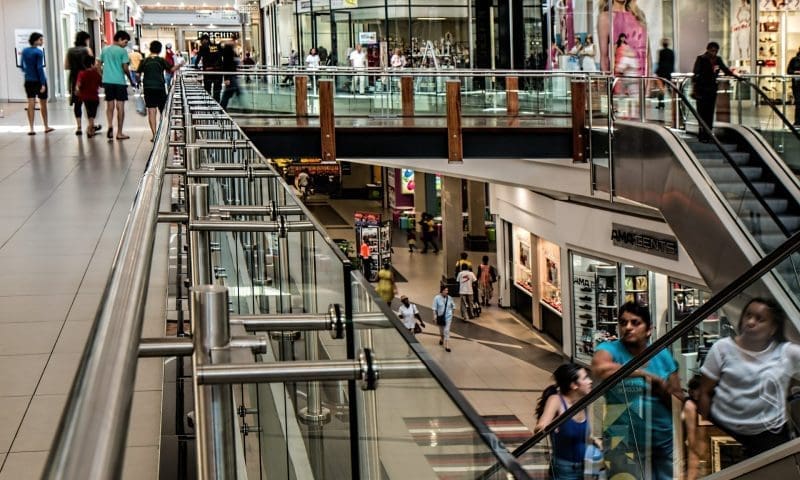
While it may be convenient, browsing for items on a phone screen isn’t everything. In an increasingly connected world, where 66% of people suffer from nomophobia – the fear of being without your phone – brick-and-mortar spaces are making a comeback as locations where shoppers can physically experience a product.
With visits to shopping centres declining, retailers are introducing unique experiences – from arcade-pubs to boutique fitness studios – to draw people back to the suburban staple. But if online shopping beats out ‘IRL’ (in real life) with convenience and cost-effectiveness, why do 70% of grocery shoppers globally say they prefer the physical experience?
The appeal may lie in how tangibility boosts people’s connection to items. And, in an age of information overload – where attention has become scant – brands are having to go beyond the visual to stimulate the whole sensorium to drive consumer engagement.
Stores that encourage browsing play on the concept of ‘perceived ownership’, which means people already feel like they own a product after touching it, boosting their sense of attachment. And since 60% of purchasing decisions are made in store many shoppers still want to taste, smell, feel or hear what it is that they’re buying.
So tactile experiences are more important in the consumer journey than ever before. Which makes sense since people’s relationship with touch is more intimate than ever before, too. Whether tapping a phone screen, smartwatch or laptop, the tactile has become a greater part of people’s every day. In fact, 77% of Apple Watch owners consider the product to be a success. And, it’s tactile tech’s success that partly explains the rise of phygital stores like FarFetch and MAC Cosmetic Experience. Of all the non-visual senses, it’s the sense of touch that has the largest influence on the choices we make at the point of purchase.
But beyond the tangible, emotions also play an important part. A behavioural study found that when looking at a product, if what an individual sees matches how they feel, they’re more likely to buy it. Other sensorial experiences provide ways to engage with people on this deeper level through the emotions and memories they evoke. At Bologna-based Eataly, the ability to shop, eat and learn offers people a fully immersive experience.
Yet, people have more sense variations than the five most grew up learning about, too – many scientists argue that humans have anywhere between 22 and 33 different senses. And retailers are tapping into them, evoking emotional responses in the process.
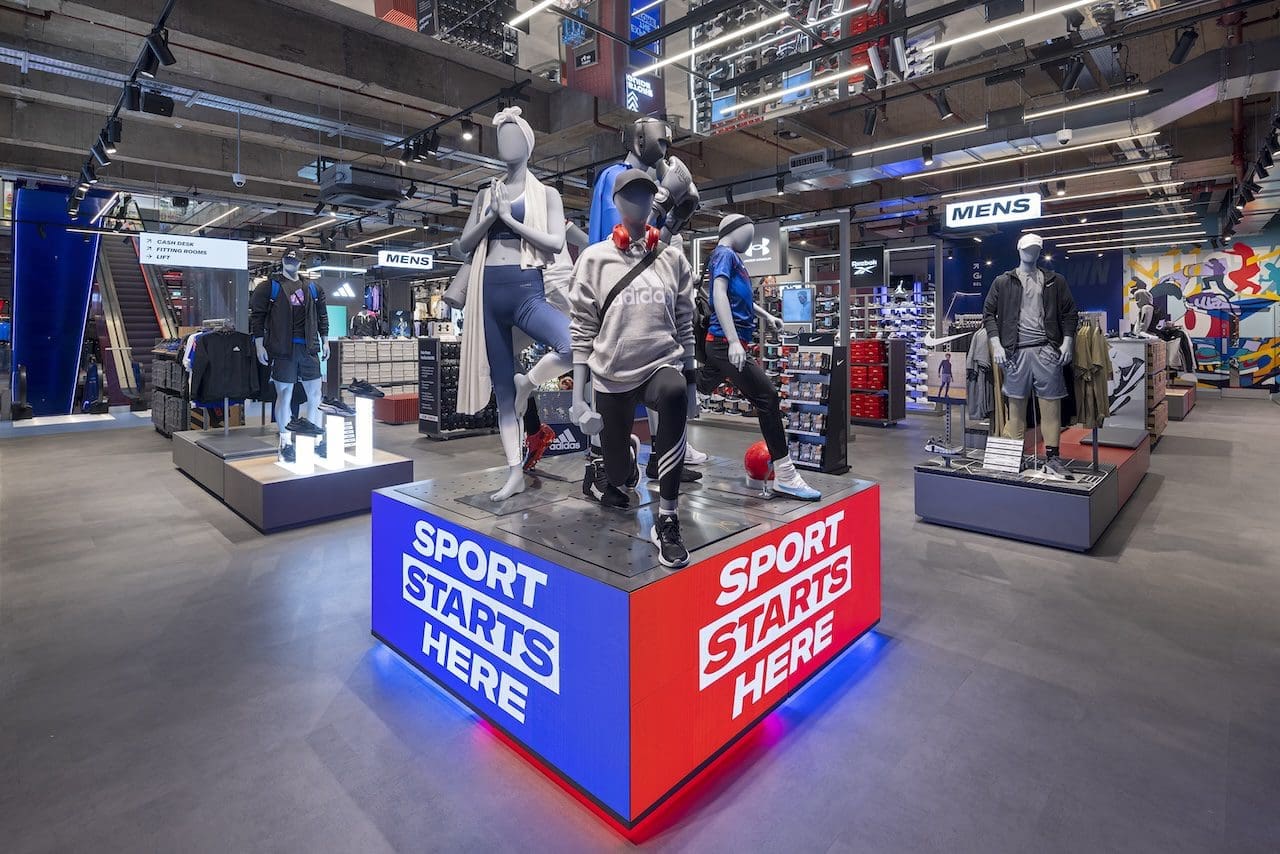
Some retailers are tapping into proprioception – the sense of space – creating unique and engaging brand environments unlike the retailers of yesteryear. Whether it’s taking a yoga-class in Lululemon pants before buying them or visiting MAC Cosmetics Experience – offering VR and AR ‘try before you buy’ – the boundaries of what retail sites offer are being pushed. Similarly, French train operator Thalys is using scent – the sense most closely related to memory – to transport people to locations, making them feel as though they are there to encourage purchase.
London’s luxury brand Browns East is an interesting example. In targeting shoppers who want to experience a brand with all their senses, their offers of artisanal coffee, cultural events, installations, meditations and AR, feed into sociological and cultural trends – of an East London zeitgeist – that are impacting a new generation of shoppers.
If a retailer wants to drive engagement, tangibility boots people’s perceived sense of ownership and connection to a product. But people’s desire to feel what they’re buying extends to emotional feelings evoked through other sensory engagement, too – of which there are many. To keep up in the rapidly changing brick-and-mortar landscape, retailers can encourage playful sensory innovations.
By Sophie Robinson, a behavioural analyst at Canvas8