
Popular now
Freemans defies high street slump with sixth year of festive growth

Freemans defies high street slump with sixth year of festive growth

Waitrose secures Surrey site with shopping centre acquisition

Waitrose secures Surrey site with shopping centre acquisition

WHSmith opens three new sites at Manchester and Liverpool airports

WHSmith opens three new sites at Manchester and Liverpool airports

GDP to contract £15.3bn each year if home working persists

GDP to contract £15.3bn each year if home working persists

In this episode we speak to Matt Dalton, consumer sector leader at Forvis Mazars. Matt discussed the biggest challenges facing the retail sector, from cost pressures and wage increases to polarised property markets and geopolitical shocks, and the ways in which retailers can best navigate these. We also explore how short-term cost-cutting could undermine long-term resilience, and how retailers can best remain agile and adaptable in unforecastable times.

Register to get 5 free articles

Reveal the article below by registering for our email newsletter.

No spam Unsubscribe anytime

Want unlimited access? View Plans

Already have an account? Sign in

Lower consumer spending and a decrease in economic clustering if pandemic levels of home working persist would reduce UK GDP by £15.3bn every year, according to new research published by PwC.

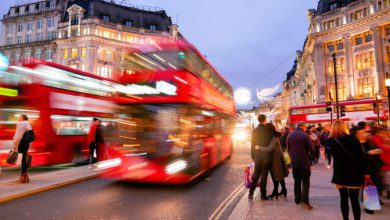
The ‘Big Four’ accountancy firm said the hit to consumption is a result of office workers spending fewer days in city offices, meaning less money is spent on surrounding shops, cafes and cultural amenities.

It added this decrease in spending has a snowballing effect whereby ancillary workers, such as canteen workers, security guards and waiters, whose jobs rely on workers being present in offices, reduce their own spending in response.

Jonathan Gillham, PwC’s chief economist, said: “We’ve seen office and home working pitted against each other in recent months but it’s not as simple as one being more effective than the other. Our research highlights some of the broader economic implications and unintended consequences.

“While continued working from home could help level up smaller cities and rural areas, it would have a disproportionate impact on lower paid workers in bigger cities.”

He added: “A blend of office and home working is the best way to help cushion our economy as the furlough scheme draws to a close – getting more people back to offices safely is critical. The UK is a services-based economy that’s powered on people coming together face-to-face.”

Previous Post
Rethinking your staffing requirements to survive the recession

Rethinking your staffing requirements to survive the recession

Next Post
Frasers Group slams Debenhams gagging order

Frasers Group slams Debenhams gagging order

Secret Link