



Register to get free articles
Want unlimited access? View Plans
Already have an account? Sign in
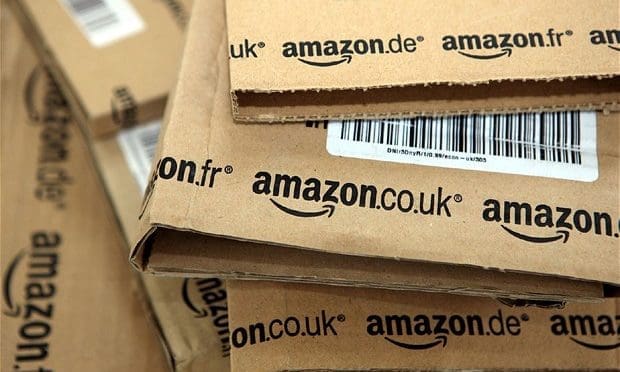
Since its inception in the 90s, Amazon has become a global retail giant that has transformed the industry. Whether that transformation is seen as a positive or negative will vary depending on experience and which side of the argument you find yourself.
For many retailers, Amazon, and similar online giants such as ASOS and Ao.com have created a highly-competitive landscape. On one hand, this competition has meant that the industry has had to innovate to stay relevant. On the other, some have been unable to keep up with this level of competition put forward by Amazon.
Over the years Amazon has created a number of challenges and opportunities for the industry. In particular, the impact Amazon Prime has had in terms of how quickly consumers expect to receive their purchases. However, with the online retailer providing such advanced delivery speeds, customers’ perception of price and time of delivery have become somewhat heightened – commonly known as the ‘Prime Effect’ – leading to increased competition within the industry.
As much as retailers strive to keep up with Amazon’s delivery model, the truth is that many are not in the position to do so. Only 15% of global retailers have the ability to offer same-day delivery due to a number of significant challenges it presents, including; high costs, staff issues and challenges around logistics.
However, perhaps the emphasis for retailers to offer the same delivery speed as Amazon is misplaced. In 2018, a report found that only 49% of consumers said a retailer offering same-day delivery would mean they’re more likely to shop online. This suggests that the ability to offer same-day delivery isn’t as urgent, or necessary, as some retailers may assume.
However, almost two-thirds (63%) said that receiving information on when an item was guaranteed to arrive was a more important factor when deciding to shop online. A key takeaway from this is customers don’t necessarily want their items immediately but they want to be kept updated on the status of their orders.
Fluent Commerce recently commissioned a study looking into the shopping habits of Generation Z. Amongst its findings, the research discovered that these consumers are willing to wait up to 10 days for an item to arrive, as long as they are updated with full tracking information. Their biggest grievances were when items are delayed or arrive late.
In order for retailers to effectively compete, and win, against online retailers that offer enhanced delivery speeds, rather than emulate Amazon’s delivery model, brand owners should look to provide something greater – more delivery and convenient order fulfilment options. In addition, retailers can also improve on their tracking capability and returns. Whilst many consumers value delivery speed, there is evidence to suggest delivery accuracy and convenience is much more valuable. Retailers can also join their online and offline presence offer that Amazon can’t, which will help to create an enhanced experiential experience for the customer.
In order to provide this, retailers should rethink how they utilise their entire estate of inventory. If a retailer has multiple physical stores and an online shop, they should have a clear view of where all their inventory is and how readily available it can be for their customers. By treating online and in-store inventory in the same manner, and providing a real-time view of product availability, retailers are giving the power back to customers to choose how they receive their purchases when they want them – an achievement that could see them out-convenience Amazon.
Whilst Amazon has a perceived stronghold within the industry, the retailer isn’t impervious to the challenges affecting the retail sector as a whole. For example, they recently reported a 9% dip in shares despite record profits. Retail can be an uncertain landscape and no retailer is immune to the various challenges and pitfalls.
Nevertheless, physical retail is alive and well. Rather than try to copy Amazon’s successful delivery model and believe the only way to thrive is by offering same-day delivery and incurring significant costs in the process, retailers need to consider what it is customers actually want from the brands and deliver on these promises.
By Rob Shaw, managing director at Fluent Commerce