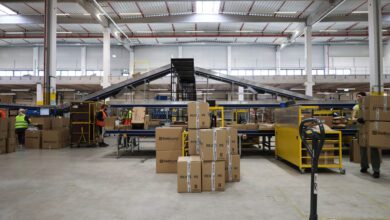

Driving innovation: the role of data in modern logistics
As logistics grows in complexity, transparency, speed, and adaptability will remain top priorities.

Register to get 1 free article
Reveal the article below by registering for our email newsletter.
Want unlimited access? View Plans
Already have an account? Sign in
In the era of digital transformation and connected supply chains, data is at the heart of every innovation in modern logistics. From tracking deliveries in real time to ensuring regulatory compliance, digital data solutions are revolutionising how goods move across the world. For instance, the adoption of a digital tachograph has become increasingly vital in ensuring both efficiency and reliability in logistics operations.
The evolution of data in logistics
Historically, logistics relied heavily on manual record-keeping and human expertise to coordinate shipments and inventory. Paper-based processes made it difficult to react quickly to changes in demand and supply. The advancement of IT infrastructure marked a turning point, allowing the collection and analysis of vast datasets, leading to smarter operational decisions. Supply chains could suddenly be tracked with greater precision and transparency.
The introduction of connected devices brought real-time data sharing into the logistics sphere. Vehicles, containers, and warehouses now generate continuous streams of information. Sensors monitor locations, environmental conditions and vehicle usage, feeding insights back into central systems. This ongoing flow of information has enabled logistics providers to plan better and proactively address challenges. Data-driven logistics is now key to minimising disruptions and reducing operational costs.
Story Stream: More on Logistics
Enhancing efficiency with data analytics
Modern logistics companies use advanced analytics to predict and resolve bottlenecks, allocate resources more efficiently, and ultimately reduce costs. Data from sources such as the digital tachograph, combined with algorithms that analyse traffic patterns, weather conditions, and delivery histories, is used to create optimal shipping routes. Such insights help logistics managers anticipate delays and reroute vehicles dynamically, minimising downtime and improving customer satisfaction.
Beyond delivery routes, data analytics supports inventory management by forecasting demand with greater accuracy. Machine learning models process sales trends, economic indicators, and customer behaviour to inform stocking strategies. This ensures goods are available where needed, preventing both shortages and overstock. The ability to understand and react to market patterns in near real time is transforming warehouses into highly responsive hubs.
Ensuring compliance and security through digital tools
With increasing regulations in the transport sector, accurate data records are more important than ever. Innovations such as digital tachographs help companies automatically log vehicle usage and driver hours, supporting compliance with legal requirements. These digital records reduce paperwork and human error, providing a reliable audit trail for operators and authorities alike.
Security is also enhanced through the responsible use of logistics data. Monitoring cargo status and vehicle locations helps identify and respond to potential security threats. Data encryption and strict access protocols safeguard information from external breaches. Together, these measures build trust between logistics providers, partners, and clients, which is essential for maintaining robust supply chains in a fast-changing world.
The future of data-driven logistics innovation
The use of artificial intelligence and the Internet of Things (IoT) continues to drive experimentation in the logistics sector. Predictive maintenance, automated warehouses and unmanned vehicles are already emerging as viable technologies. Data underpins these innovations, providing the feedback necessary for machines and humans to collaborate effectively. The future will likely see data usage become even more integral to logistics operations, with tighter integration between systems and broader industry cooperation.
As logistics grows in complexity, transparency, speed, and adaptability will remain top priorities. Advanced data technologies, from smart sensors to cloud-based analytics platforms, will shape how providers anticipate customer needs and reimagine workflows. Remaining agile and informed through the intelligent deployment of data is becoming not just a competitive advantage, but a necessity for those seeking to lead in modern logistics.