






Register to get free articles
Want unlimited access? View Plans
Already have an account? Sign in
Kingfisher has announced that pre-tax profit soared by 44.4% to £786m in the year ended 31 January 2021, following a surge in DIY spending amid the pandemic.
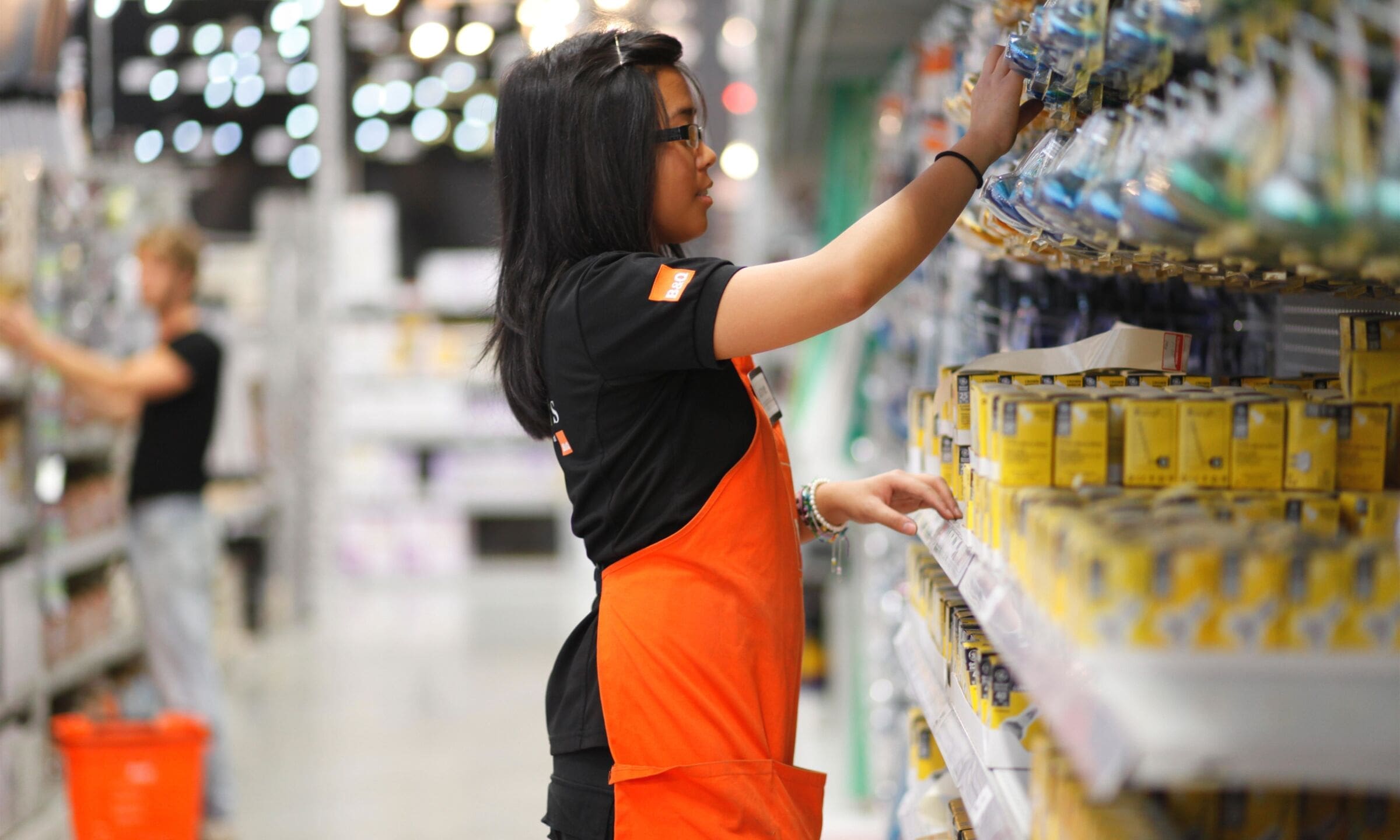
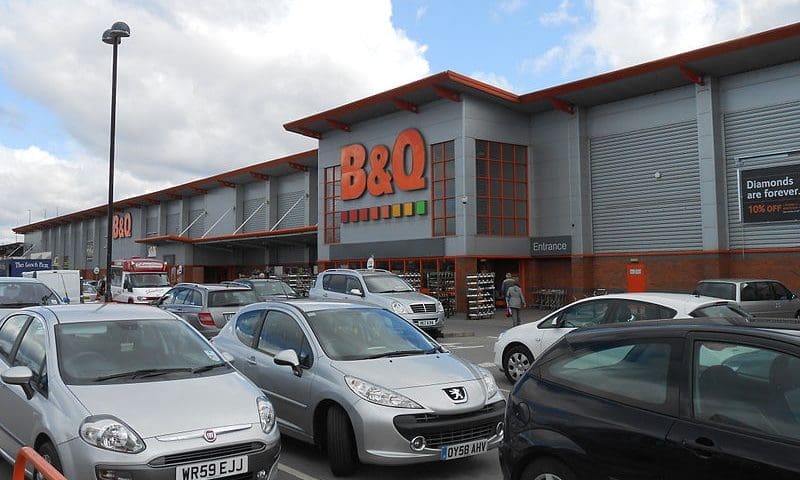
Retail profit was up 27.4% in the year, which was largely driven by a strong B&Q performance, while total sales rose by 6.8%.
In the same period, e-commerce sales soared by 158%, now accounting for 18% of total group sales, up from its 8% share the prior year. Click and collect sales also rocketed 226%, accounting for 78% of e-commerce sales.
The group notes that before the pandemic, it saw a gradual shift in customer preference towards Do-it-For-Me (‘DIFM’) versus DIY, adding that this shift was linked to new generations of consumers having fewer DIY skills, and a shift in spending priorities.
However, the pandemic has “favoured the DIY trend”, according to the group, as DIY is “seen as allowing better ‘social distancing’, cheaper, a hobby, and an activity that contributes to wellbeing”.
Whilst the group is “mindful” of continued uncertainty related to the pandemic, looking ahead, it expects Q1 like-for-like sales for its next financial year to be up 24.2%.
In addition, it expects low double-digit like-for-like sales growth in H1 21/22, but is planning for like-for-like scenarios of -15% to -5% in the second half of the year, adding that H2 is likely to be impacted by strong year-on-year comparables and “uncertainty over the macroeconomic and consumer environment”.
Thierry Garnier, CEO, said: “Kingfisher is coming out of the Covid crisis as a stronger business, with an improved competitive position in all key markets, strong new customer growth and a step change in digital adoption. Current trading remains positive and, while visibility is limited for the year as a whole, we are confident of continued outperformance of our wider markets.
“The COVID crisis has established new longer-term trends that are clearly supportive for our industry – including more working from home, the renewed importance of the home as a ‘hub’, and the development of a new generation of DIY’ers – and we expect these to endure. With our strategic progress, we are well positioned to capitalise on these new and positive market trends.”