
Register to get free articles
Want unlimited access? View Plans
Already have an account? Sign in
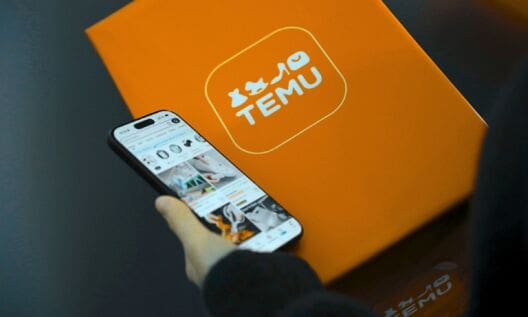
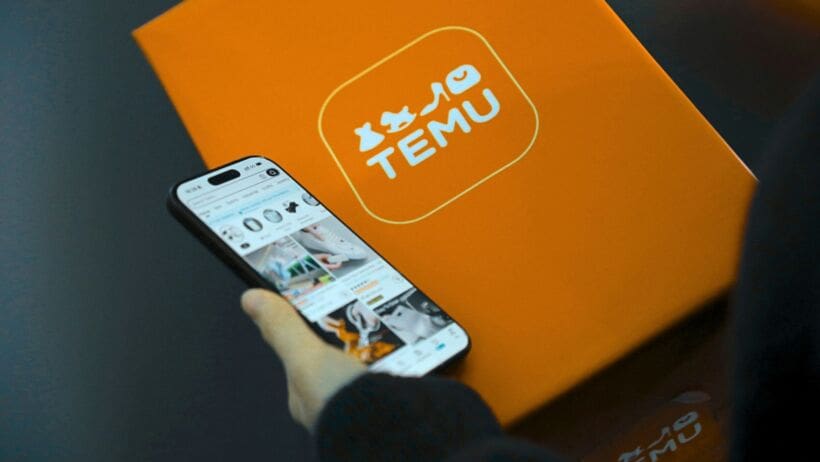
Chinese-owned e-commerce platforms, such as Shein and Temu, are attracting about £4.7bn in annual spending from UK consumers, according to a report by Barclays and Retail Economics.
The report revealed that almost half (49%) of UK consumers have bought products from an international marketplace over the past year.
The findings suggest this ‘ultra-low-cost’ model is reshaping expectations on price and delivery, accounting for 5% of the UK’s non-food online market.
The rapid expansion of these platforms, many of them Chinese-owned, increases competition across price-sensitive categories. Domestic retailers face pressure in fashion, beauty, homewares and general merchandise as a result.
Established businesses face challenges protecting profit margins while maintaining quality, customer service and regulatory standards. According to the report, consumers are becoming accustomed to frequent discounts, extensive product catalogues and low prices.
Many UK retailers are exploring international markets to support future growth as domestic demand faces pressure. Expanding overseas serves as a strategic response to rising operating costs and changing consumer behaviour.
Alongside competition, cyber security has emerged as the leading business risk for UK retailers. The findings reflect the increasing importance of protecting customer data as digital operations expand.
The data shows 64% of retail leaders rank cyber and data security among their top three risks for the coming year. This figure is up from 58% a year earlier.
Cyber security was found to be the most frequent top risk, with 29% of leaders placing it ahead of financial, operational and strategic challenges.
The report concluded the platforms represent a “material force in UK retail”, reflecting a structural shift rather than a temporary trend.