




Register to get free articles
Want unlimited access? View Plans
Already have an account? Sign in
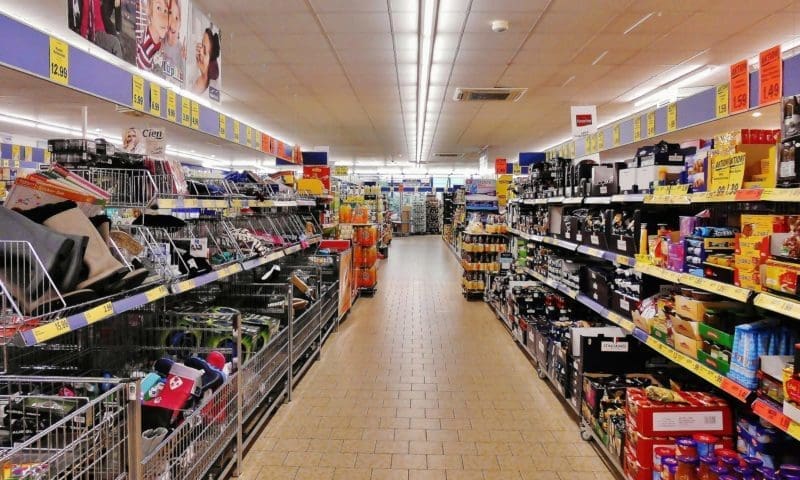
Britons made 488 million trips to the supermarkets over the four weeks to 24 December, 12 million more than last year and the largest number at Christmas since 2019.
According to data from Kantar a record £13.7 bn passed through the tills, with the average household spending an all-time high of £477 across the month, an increase of £28 on 2022.
Furthermore, total take-home grocery sales grew in value by 7.0% while the number of items bought rose by 2%.
Alongside this, grocery price inflation fell to 6.7% in December, its lowest level since April 2022.
Tesco, Sainsbury’s, Asda, Morrisons and Waitrose accounted for a combined market share of 70% during the 12 weeks to 24 December.
Sainsbury’s reached its highest market share since December 2020 at 15.8%, pushing up its sales by 9.3%.
Meanwhile, Tesco gained 0.1 percentage points of share to now hold 27.6% of the market and grew sales by 7.5%.
Online purchases grew slightly ahead of the market during the four weeks to 24 December versus last year, up by 7.5%.
Spending at online-only retailer Ocado grew by 5.5%, though its share of the market held steady at 1.7%.
Fraser McKevitt, head of retail and consumer insight at Kantar, said: “As we expected, this Christmas was a whopper. Friday 22 December turned out to be the most popular shopping day, when just over 25 million trips were made and consumers spent £803m in physical stores – that’s 85% more than the average Friday in 2023. Online’s share of the market held steady at 11.6%, as nearly one in five households got a delivery in for the big day.
“We’re creatures of habit when it comes to Christmas and our data shows that the classic festive plate remains much the same. However, mince pies and Christmas puddings did buck the trend. They were less popular this year, with volumes falling by 4% and 7% respectively, but that isn’t to say we’ve lost our sweet tooth. Fresh cream was up by 5% across the month, so dessert was still very much on the menu.”
He added: “The traditional retailers always tend to do well in the run up to Christmas and this year was no exception. Supermarkets saw especially strong performances for their own-label lines, with sales of premium ranges like Sainsbury’s Taste the Difference and Tesco Finest surging by 11.9% compared with last year to hit £790m – accounting for 5.7% of all grocery sales. Branded sales rose by 6.0% during the same period.”