




Register to get 2 free articles
Reveal the article below by registering for our email newsletter.
Want unlimited access? View Plans
Already have an account? Sign in
Total till grocery sales rose by 7.6% in the four week period to January 28, but this was due to an increase in food price inflation, which reached new highs of 13.8% in January, according to the latest data by NielsenIQ.
This decline in shopper spend is reflected in the decrease in volume sales (-6.9%). This is the lowest volume growth recorded in over nine months, and reflects the concern shoppers have about cost of living increases.
Nielsen said UK supermarkets experienced a very slow first week of January due to the bank holidays but NielsenIQ data shows that weekly value growths improved to +6.0% at the end of the month, which coincides with the first monthly payday of the year for many shoppers.
However, Nielsen suggested that many shoppers “likely tried to shop to a fixed budget to save money and focussed on essentials”, with bakery (+12.6%), dairy (+11.5%), pet food/care (+10.4%) and frozen sales (+8.9%) all experiencing an increase in value sales.
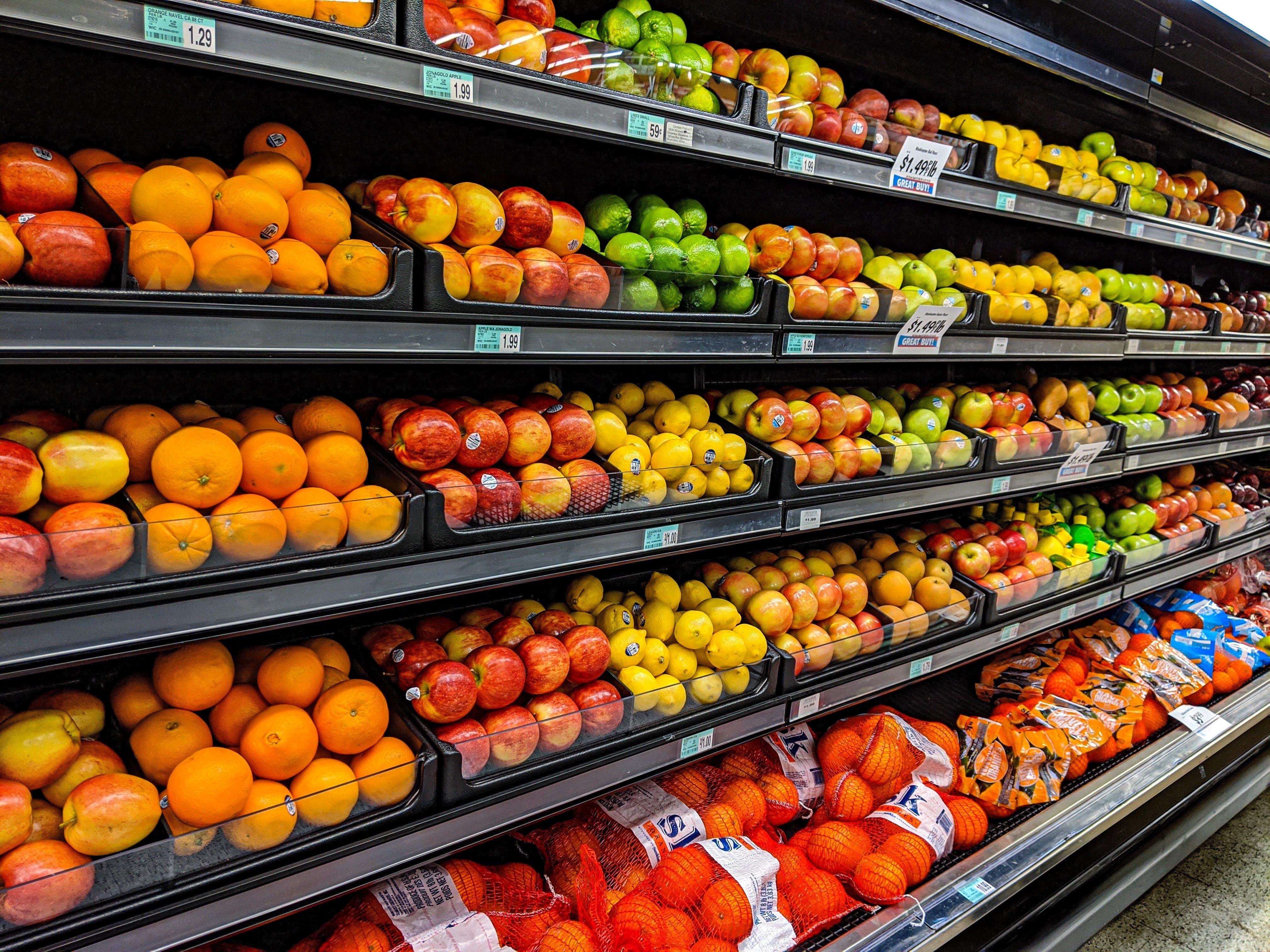
Fresh produce value sales fell -3.6%, while value sales for beers, wines and spirits (BWS) declined -4.7% (with volumes -8.5%). Volume sales for meat and poultry also fell 10%2.
NielsenIQ data also reveals that sales were strongest at bricks and mortar stores (+9.4%) with a -8.7% fall in online sales. The online share of all FMCG sales remains at around 11.1% – similar to the underlying share in the latter part of 2022.
Mike Watkins, NielsenIQ’s UK head of Retail and business insight, said: “We expect a challenging first quarter for the grocery industry, with inflation very much top of mind for shoppers. As a result, shoppers will continue to trade down to cheaper brands or private label products. In January we have seen Private Label sales grow in Household by +16.5%, Ambient Grocery by +16.8% and Frozen by +20.2%4.
“Also, when consumers are cash poor, they also shop more frequently and across more retailers, because they can only afford to shop for groceries ‘little and more often’ to help manage household budgets. This will probably continue until Easter, when family gatherings and hopefully better weather gives a boost to sales.”