






Register to get free articles
Want unlimited access? View Plans
Already have an account? Sign in
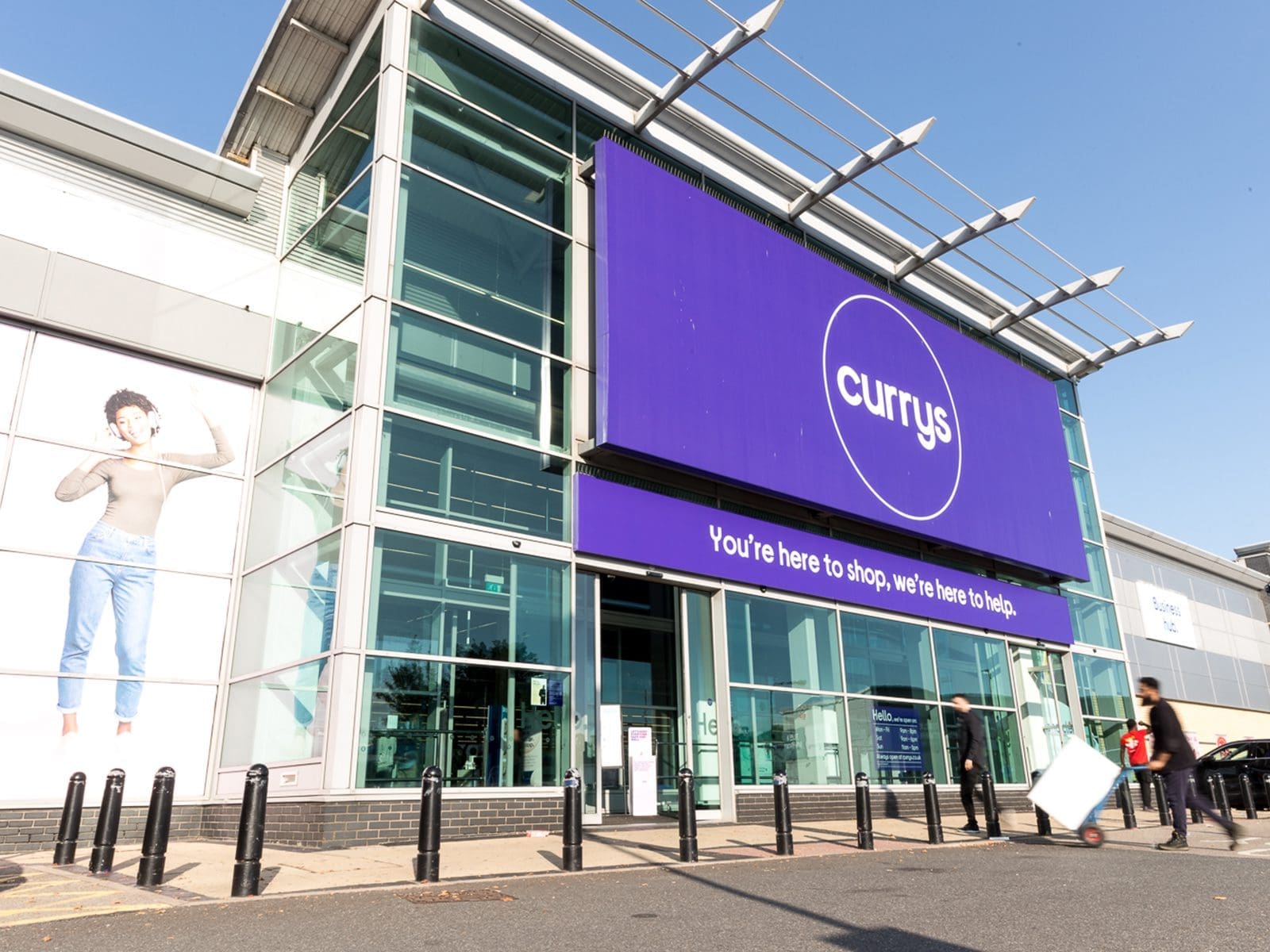
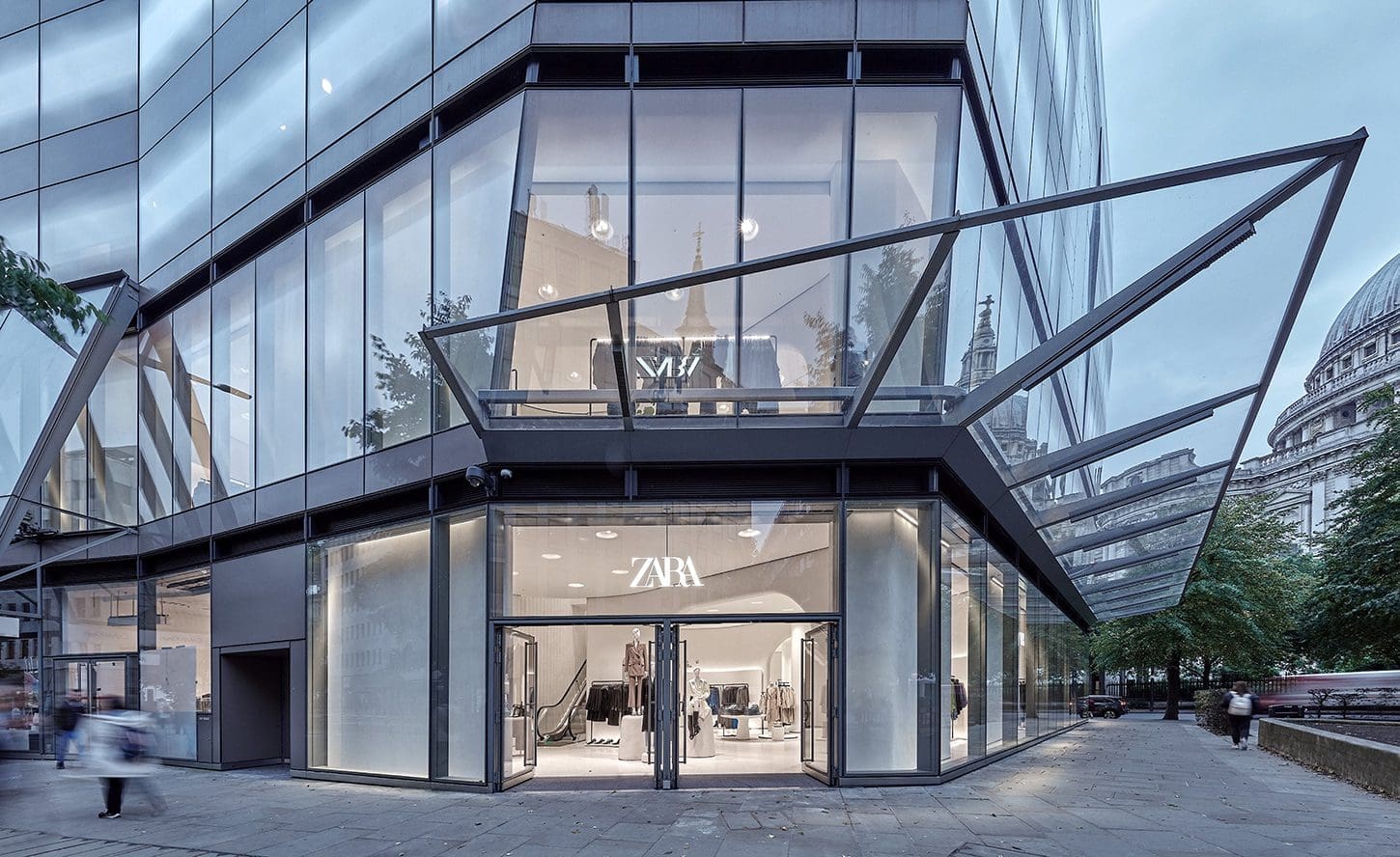
Despite vaccines being rolled out and there being some semblance of light at the end of the tunnel, the situation for brick-and-mortar stores this year remains bleak. In-store retail continues to struggle and according to a recent report from The Centre for Retail Research, up to 200,000 in-store jobs could vanish in 2021 as pandemic-related restrictions continue hitting footfall and sales.
The pandemic combined with high rents and operating costs has decimated physical retail over the past year. High-street stalwarts such as Arcadia Group, Primark, and Debenhams have either collapsed or dramatically cut costs to stay afloat. In fact, research from KPMG has found that the impact of the pandemic on retailers is so severe that UK high streets could lose up to 40% of existing retail presence as fewer people venture into city centres.
Despite the headlines, however, it isn’t all doom and gloom. Ecommerce companies such as Boohoo and Asos have benefited immensely during the pandemic. In fact, research shows that ecommerce accounted for around a third of total retail sales in the UK for the first time ever last year. What’s more, this figure is only set to rise as data from McKinsey reveals that consumers are likely to maintain the behaviours they’ve adopted during the pandemic.
For brick-and-mortar stores, the change in consumer habits from physical to online represents a fundamental challenge. This forever alters the industry, with stores slowly becoming outdated and inefficient. In practical terms, the movement from physical to online means that even after brick-and-mortar stores reopen, they won’t be able to recoup losses as consumers will continue to shop predominantly online.
Physical retailers, therefore, shouldn’t expect sales to return to ‘normal’ after the pandemic. The last year has radically changed the sector and many retailers need to make significant changes to their growth strategy to survive. For example, a store’s mere presence is no longer enough for retail brands; consumers want more. They want experiences that give them a reason to leave the house and to shop in-store, rather than online.
Retailers should think of brick-and-mortar as more than a venue to sell products. They need to reimagine the store and make it a vehicle for customer acquisition. In other words, retailers need to turn their stores into a place that creates genuine connections between their brand and their customers. A good example is Adidas. The retailer created an experiential store and invested in AR product displays. This allowed shoppers to point an iPad at an image then view product videos and explore the boot’s technical specifications, which helped them understand the product better and make their final purchase choice easier.
As retailers prepare for post-Covid trading, they need to ensure that they are investing in technology that reimagines the in-store experience. With ecommerce playing a convenient role as the first port of call for customers looking to shop, physical retailers need to change their approach in order to remain relevant to shoppers. If they don’t adapt to life after the pandemic, then we will see more store closures as people continue to buy products online.
Liam Patterson is the CEO and founder at Google shopping platform, Bidnamic