






Register to get free articles
Want unlimited access? View Plans
Already have an account? Sign in
Springboard has revealed that the annual change in footfall last week represented an “unprecedented decline” that was three times greater than the worst previously recorded.
The retail intelligence company said that we are starting to see the “true impact” of coronavirus on consumer activity. It added the result for the week before last – which began to reveal the potential impact – “pales into insignificance” against the result for last week where footfall declined by -21.7% from the previous week, and by -28% over the year.
High streets were hit hardest, with a drop in footfall of -31% from the week before and -41% from the same week in 2019.
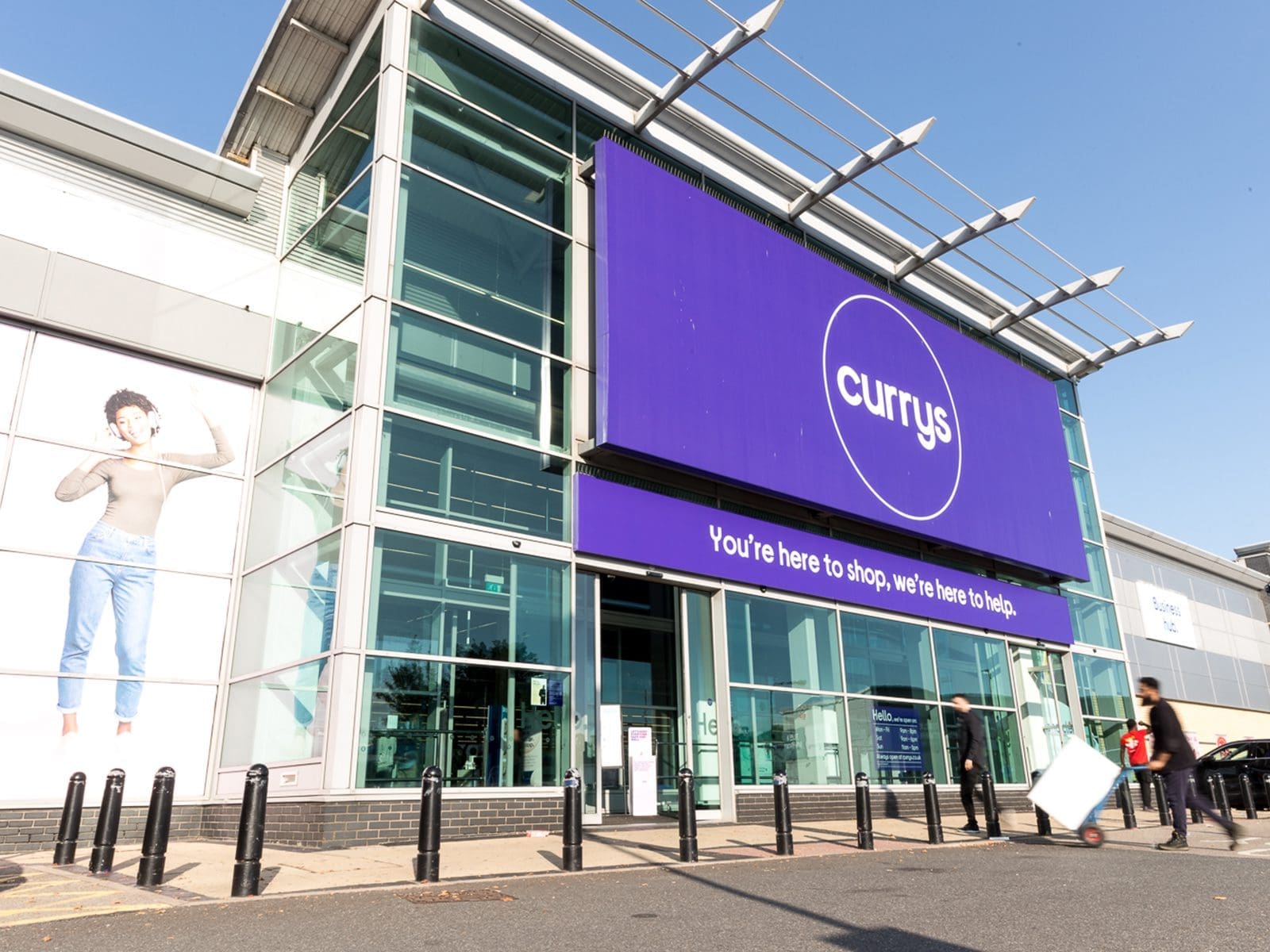
It said the result was “unsurprising” following the closure of many high street staples such as John Lewis and Topshop. The panic buying of food and household essentials meant that in retail parks – where many large food stores are situated – footfall declined by only -2.9% on both a weekly and annual basis.
In addition, as the week progressed, footfall across destinations as a whole deteriorated each day, moving from a week on week drop of -18.2% on Sunday to -38% on Saturday, and likewise on an annual basis from – 22.9% on Sunday to -48% on Saturday. In retail parks, however, the pattern of consumer activity was very different, with both weekly and annual increases on four consecutive days between Monday to Thursday, averaging +2.5% on a weekly basis, and +3.3% annually.
By Friday and Saturday, however, the panic buying had “started to ease”, with footfall declining on both days on a weekly and annual basis, and at an increasing rate. On Saturday, footfall in retail parks was -13.4% lower than on the same Saturday in the previous week and -18% lower than the same Saturday in 2019.
Geographically, the drop in footfall was in excess of -20% in every area of the UK. London was hit hardest with an annual drop in footfall of -31.1% over the week, with the annual drop in footfall in Central London far higher at -63.3%.
Diane Wehrle, insights director at Springboard said: “The decline in footfall week on week was on par with the drop normally only ever seen in the week post-Christmas. The annual change represented an unprecedented decline in retail footfall that was three times greater than the worst result we have ever previously recorded.”