

Register to get free articles
Want unlimited access? View Plans
Already have an account? Sign in
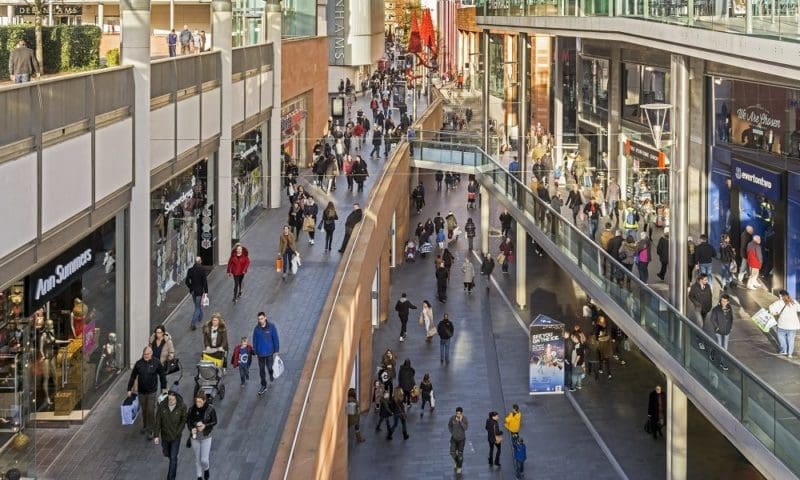
It’s a sad fact, but the traditional British high street is suffering more than ever before. With more than 24,000 shops closing their doors in the first six months of this year alone, more light needs to be thrown on retailers’ ongoing loss prevention.
The overall picture painted lately shows that our much-loved high street is changing, almost beyond recognition with huge names vanishing or at least struggling to stay relevant and appealing. The usual reasons are being given, the high cost of business rates, extortionate rents from unscrupulous landlords and a lack of footfall. These are all valid factors, but we want to ask the question as to whether retailers are reducing risk by having adequate returns and loss practices in place.”
According to research by the Local Data Company a total of 1,123 stores disappeared from Great Britain’s top 500 high streets in the first half of this year as only 1,569 shops opened, compared to 2,692 closures. The rate of store closures remained at 14 stores a day. However, store openings were down by a third year-on-year from 2,342 in 2017 to 1,569 in 2018.
The concentration on solving this growing problem seems to be to encourage more shoppers on the high street but this alone will not be enough. A quick look at how much returns are costing retailers in general shows just how much of an impact on their bottom line this is having.
Retailers in the UK are losing around £60bn a year due to returned stock. Of course, not much can be done to stem returns in general but looking into secondary markets and ways of selling off this returned or unsold stock could make a huge difference.The traditional liquidation and overstock sales just aren’t enough anymore. There is huge potential out there for retailers to create second streams of income that doesn’t involve giving away or even disposing of returned items.
We see demand from a huge array of buyers who want graded stock, that can range from anything from returned, as-new stock to damaged and low-grade quality items. To pin the high streets woes on one thing ignores a myriad of measures that can be taken to improve matters. Returns is just one of them.
By Ben Whitaker, Director EMEA at B-Stock