







Register to get free articles
Want unlimited access? View Plans
Already have an account? Sign in
The UK economy shrank unexpectedly by 0.1% in January as production in the manufacturing sector struggled, according to the latest figures from the Office for National Statistics (ONS).
The fall comes after growth of 0.4% in December 2024 and growth of 0.1% in November 2024. Production output decreased by 0.9% in January 2025 and was the largest contributor to the fall in the month. Construction also fell in January 2025, by 0.2%, while services partially offset these falls with a 0.1% rise in output.
The largest positive contribution in the services sector in January 2025 came from the administrative and support services subsector where output rose by 1.9% on the month, following growth of 1.1% in December 2024.
Five out of the six industries in this subsector experienced growth in January 2025, with the largest contributions coming from increases in rental and leasing activities (up 3.0%) and services to buildings and landscape activities (up 4.9%).
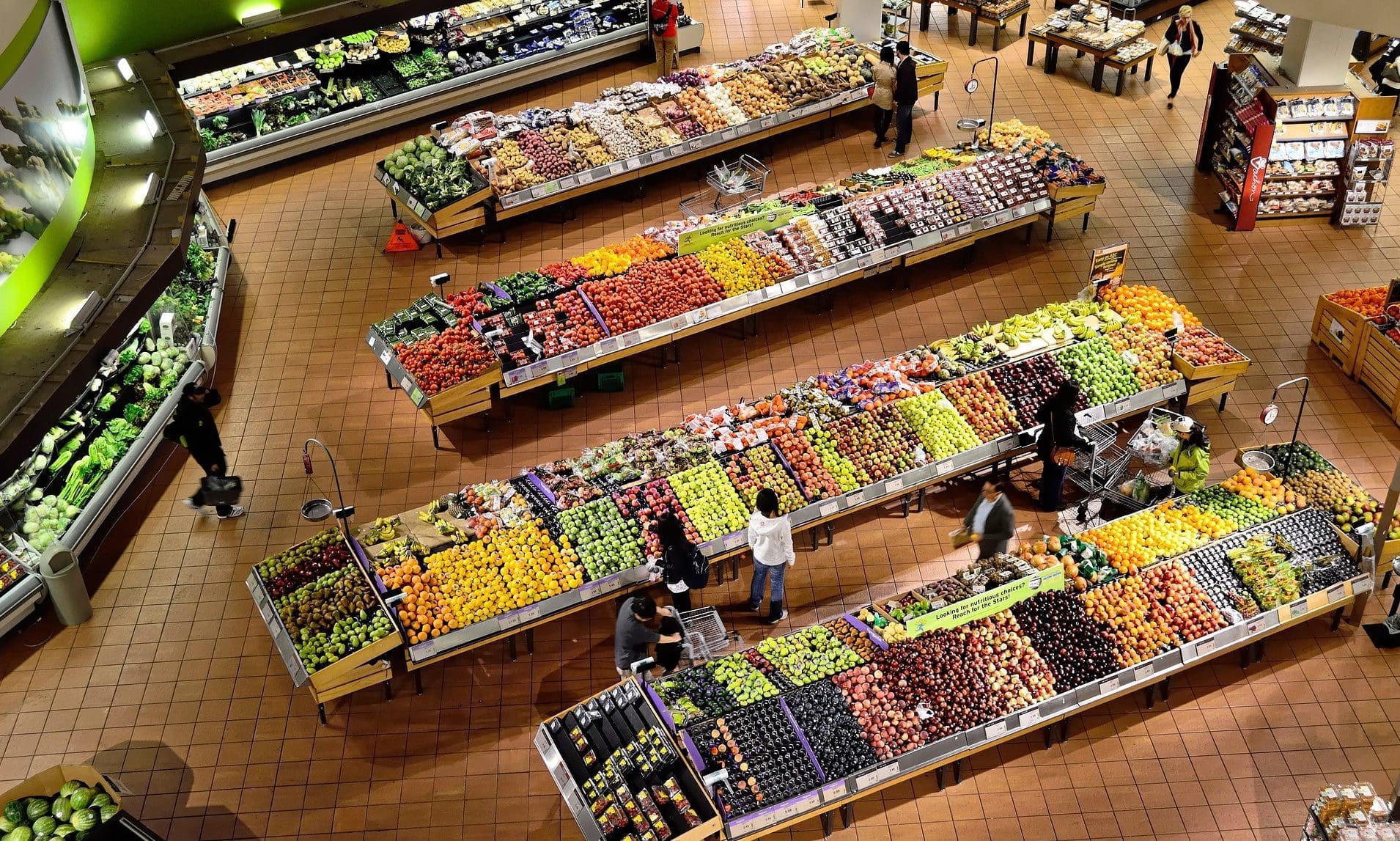
The next largest positive contribution at the subsector level in January 2025 came from a 0.7% growth in wholesale and retail trade; repair of motor vehicles and motorcycles. The growth in January 2025 was mainly driven by retail trade and a strong performance in food store sales.
The largest negative contribution in services came from accommodation and food service activities, which fell by 2.4% after growth of 0.9% in December 2024. Food and beverage service activities fell by 2.1%, after growth of 2.0% in December 2024, and accommodation also fell, by 3.4% in January 2025 following a fall of 1.9% in December 2024.
ONS director of Economic Statistics Liz McKeown said: “The economy shrank a little in January but grew in the latest three months as a whole, with the overall picture continuing to be of weak growth. The fall in January was driven by a notable slowdown in manufacturing, with oil and gas extraction and construction also having weak months.
“However, services continued to grow in January led by a strong month for retail, especially food stores, as people ate and drank at home more.”