

Register to get free articles
Want unlimited access? View Plans
Already have an account? Sign in
Sir Ralph Halpern, the founder of Topshop who was described as a driving force behind British retail in the 1970s and 1980s, has died at the age of 83.
Halpern began his career as a trainee at Selfridges, and would later go on to become “one of the most high-profile business figures of the Thatcher era”, according to the Financial Times, as he oversaw the “huge” expansion of menswear chain Burton, where he was CEO from the late 1970s to early 1990s.
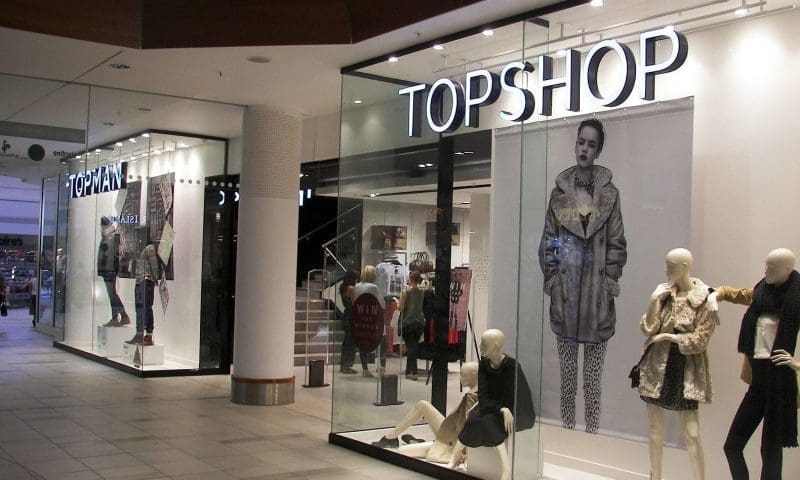
Halpern was perhaps best known as founding the Topshop brand during this time. The wider Burton group would also go on to include many other brands that would later form Arcadia. He also added Debenhams and luxury retailer Harvey Nichols to his retail empire.
It is said that the takeover of Debenhams in the mid-1980s “epitomised the buccaneering spirit of the times”, with Halpern enlisting Gerald Ronson to fend off competition from Mohammed al-Fayed’s House of Fraser group and secure a £566m deal for the business.
Although becoming one of the first chief executives in the UK to earn more than £1m, he was later ousted from the board of Burton in 1991 following profit warnings, and did not return to a high-profile company role again.
After his departure, Debenhams was demerged into a separate listed company while the Burton group was renamed Arcadia, with Debenhams later taken over by private equity groups, and Arcadia by Sir Philip Green’s family.
His daughter, Jenny Halpern Prince, told the FT: “Our father left an irreplaceable mark on the spirit of entrepreneurship and the UK’s retail landscape, and he did it in his own very special way.
“He was very charismatic, very driven and ahead of his time. Did we go too fast at times? Maybe. But he genuinely changed the face of the high street and he should get the credit for it.”
Lord Stuart Rose, who served on the board of Burton alongside Halpern and later ran Arcadia, added that Halpern was “one of the real movers and shakers in the 1970s and 1980s”.