




Register to get free articles
Want unlimited access? View Plans
Already have an account? Sign in
“Retailers need to be ready for an onslaught of industry change. They need to look at store standards and up their game… in order to compete” former Landmark Wholesale MD, Martin William forewarned in 2018.
Industry change is certainly happening, but it’s by no means all bad news. New ‘experimental’ shopping concepts are coming into fruition for retailers including Sainsbury’s – whose latest Selly Oak store is a leap towards an entirely new kind of supermarket offering with the retailer’s first Oasis concession and fully integrated Habitat and Argos stores.
Moreover, our most recent ‘Shopper Experience Index’ found that as many as 45% of brands and retailers are focused on bringing advanced digital services such as frictionless checkout and geofencing in-store.
But it’s not all about the fancy gadgets and experimental store design. Here we take a look at how savvy retailers and brands will look to transform the online and offline customer journey in line with key retail trends we’ve seen come to the fore through 2018.
Driving ‘Research Online, Buy Offline’ journeys
Retailers and brands are working hard to bring the product research phase in-store – just take a look at John Lewis & Partners’ first “style studio” – where shoppers can access five personal stylists as well as attend daily talks on a range of fashion subjects in-store.
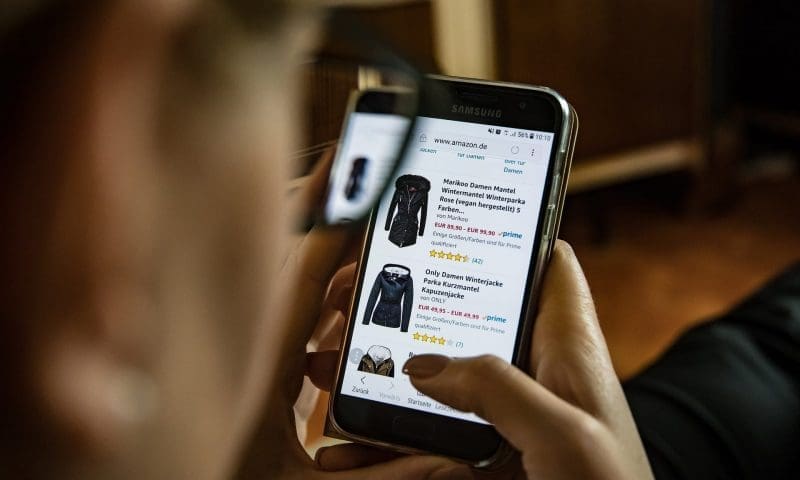
Yet consumers are still hungry for ‘brilliant basics’ in the online journey to power their offline conversion. Take sporting apparel retailer Decathalon as an example. Mobile and web pages including customer ratings and reviews that were collected online in the changing room help give customers the context they need to make a purchase with confidence.
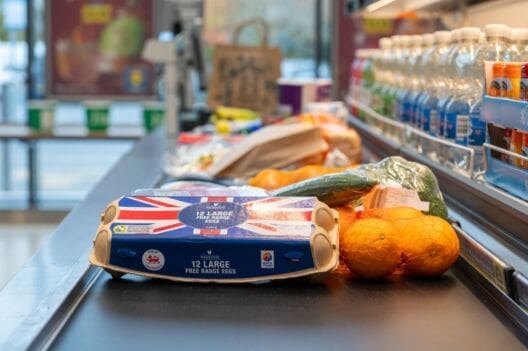
Similarly in grocery, a recent survey of 1,900 UK consumers by IGD found that product imagery, product descriptions, search functionality and targeted media can help to ensure new products are launched successfully in-store as well as online.
Today’s shoppers have high expectations for a seamless omnichannel experience which will make the Research Online, Buy Offline (or ‘ROBO’) trend a key focus next year.
The squeeze from ‘value’ brands
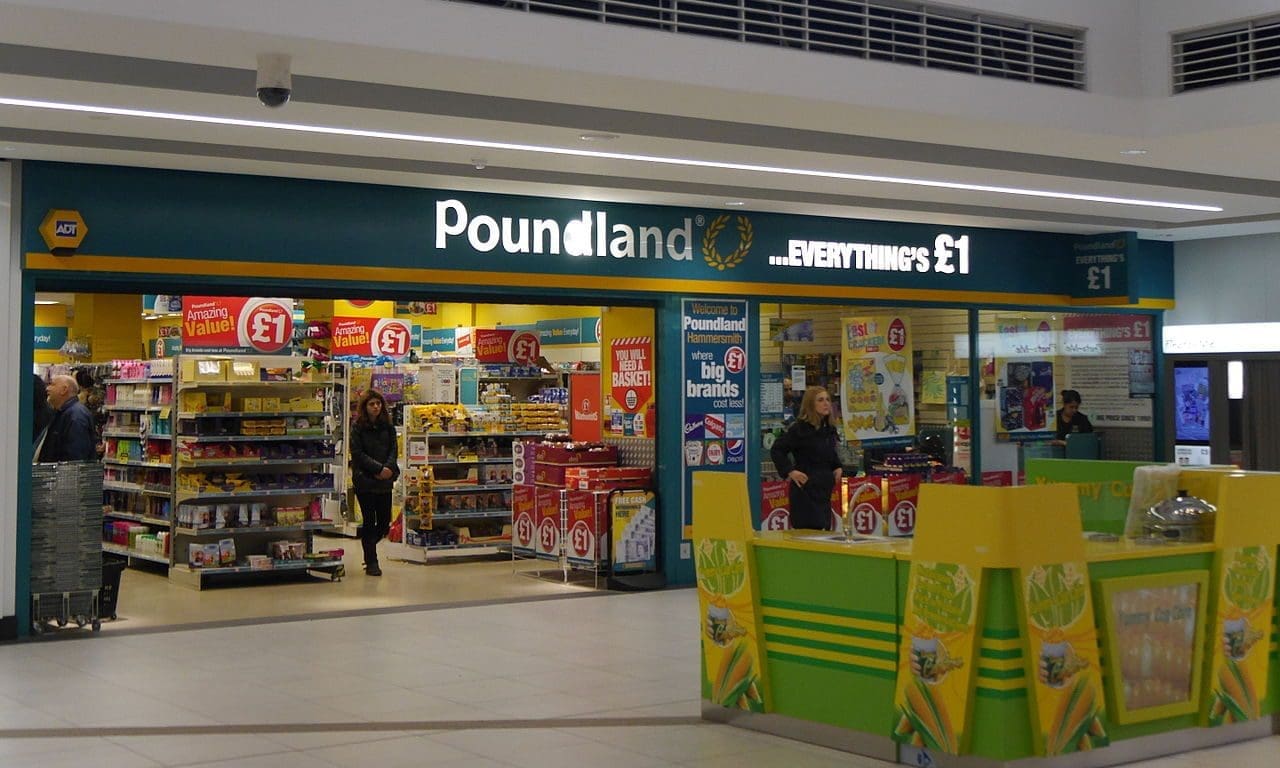
Grocery is also a great example of the squeeze brands like Lidl and Aldi are putting on the mid-market. 2018 saw unprecedented pressure on mid-market retailers, largely tied to the eruption in budget brands and discount days, with 69% of UK respondents stating they will now shop at budget brands including Argos, TK Maxx, H&M and Tiger.
But countering ‘budget’ and ‘discount’ led offerings is entirely possible. Regardless of price, customers want authentic experiences both on and offline, and it’s up to brands and retailers to create these experiences to help them stand out amongst such a competitive retail landscape.
The most important takeaway is that customers aren’t prepared to compromise on quality when it comes to buying for themselves and others. Too often in the online realm products are poorly described, untested or simply copycat versions of the genuine article.
These consumer pain points are why the mid-market is so important. Long-established high street stores can leverage their innovation, reputation and loyal customer base to redress shopper confidence.
Seizing the opportunity to speak through the customer’s voice
Social media will play a large part in this by enabling customers to share and exchange experiences that credit the brands themselves. In fact, we’re now seeing even more retailers creating their own labels and lines of products to generate customer content in a similar fashion.
Ratings and reviews help customers feel they’re making an informed purchase decision. This content also assists in product discoverability and gives early stage brands valuable product insights to inform not only how they might effectively bring future products to market, but also perfect product design.
Over the next year, direct-to-consumer brands will have enormous opportunity to use the voice of the customer to create more meaningful shopper experiences, which will ultimately result in increased basket value and customer loyalty.
Balancing the relationship with influencers
One consideration is how this will play out with the ever rising tide of influencer marketing – research conducted in 2018 highlighted that 47% of UK consumers are fatigued by repetitive influencers. With consumer scepticism mounting, pressure is on retailers to get it right when thinking about their partnerships with influencers.
Meanwhile, consumers have found another way to quality check the information they see from influencers. They’re turning to reviews and other content generated directly by their fellow consumers; with 78% of respondents finding that customer content helps them filter out bias and verify what influencers are saying.
With four out of every five UK respondents more likely to trust a customer product review over a well known influencer or even an independent critic, sharing the workload with real customers is a win-win for social media stars and brands alike.
Ultimately, there are plenty of headline grabbing developments taking place in retail right now, whether it’s advancements in in-store technology or simply more mergers and acquisitions. For retailers looking at how they can win the loyalty and advocacy of the UK consumer, it’s about creating a virtuous circle with the customer, where content, product and the path to purchase are perfectly aligned.
By Joe Rohrlich, executive vice president and GM, Bazaarvoice