




Register to get free articles
Want unlimited access? View Plans
Already have an account? Sign in
Today, customers are fortunate enough to have a wide variety of options to choose from when shopping online. However, this means that shopping expectations – and habits – have changed. Retailers must ensure they offer a seamless shopping experience for customers, that meets buyer needs; otherwise, they risk losing out to competitors.
While some of the 2018 predictions didn’t all come to fruition, others have come to the forefront. Here, we reflect on three key retail trends which didn’t come to pass – but may within the next twelve months:
The expectations of next-day deliveries
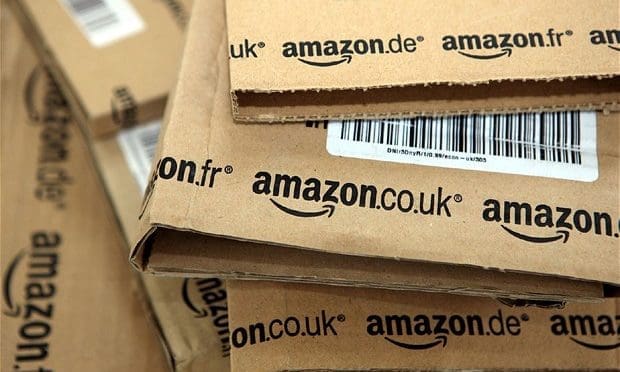
In May 2018, the use of next-day delivery services reached record highs, being used for 37% of all UK delivered orders. What’s more, it’s expected that 65% of retailers will offer same-day delivery by the end of next year.
In 1995, customer expectation on acceptable delivery time was nine days (yes, nine!); in 2018, it’s a mere 24 hours. And customer expectations are about to change again – same-day delivery will be the new normal within 18 months. However, 59% of shoppers in the last year have experienced goods not arriving on time. If your business isn’t able to deliver on current delivery expectations, how are you supposed to cope when the timeline shortens again? You won’t.
Many retailers do not have the right systems in place to meet this expectation of instant gratification. This could be a major differentiator for retailers next year and many will have to adapt or fall further behind their competitors.
Overcoming the returns hurdle
In 2018, retailers were expected to wake up and recognise the need to invest in their returns framework, to reduce costs and create stand-out against their competitors. However, this hasn’t happened. Nearly a quarter of brands admit that returns are the single biggest challenge in managing e-commerce. In addition, 69% of retailers still use no technology to manage their returns process. This clearly highlights how retailers themselves are exacerbating the cost and complexity of managing returns.
Poor returns experiences are a major pain point for shoppers and are often driving them to competitor firms. 30% of customers say they’ll abandon an online purchase if no free returns are offered, while a slow returns process is also a major frustration for online shoppers.
In 2019, I do expect more retailers to embrace technology to both enhance their returns framework and carve out competitive advantage – and the need for efficiency and automation will be crucial to that end.
A personalised shopping experience
Creating a seamless path from inspiration to purchase is still a challenge for many retailers using disparate systems. Many are struggling with the ability to serve customers equally across all channels, whether in-store or online. With 73% of shoppers using multiple channels during their shopping journey, disjointed customer experiences could be ruining shopper satisfaction.
More brands will begin to make great strides over the next year – the upside is too great to ignore. 43% of purchases are now influenced by personalised recommendations, so getting this right across all channels could have a dramatic impact on purchasing conversion.
However, the ability to provide omnichannel personal service requires access to all data in one place. Having the right technology – so that all areas of your business have access to a single record for every shopper – will allow businesses to gain deeper insights about their customers. This can be used to better serve, engage with and reward customers on a more personal level.
In summary, customers will continue to have a powerful influence over retailers in 2019. Retailers must therefore focus on customer retention, and offer a fast and frictionless shopping experience at every point of the buying journey, to ensure they are fulfilling – and exceeding – shopper expectations. That will keep buyers coming back throughout the year.
Retailers should also ensure they are investing in technologies that will streamline business operations. Freeing up time from back-office activities to focus on customer-driving initiatives will be essential for retailers in 2019.
Derek O’Carroll is the CEO of Brightpearl