



Register to get free articles
Want unlimited access? View Plans
Already have an account? Sign in
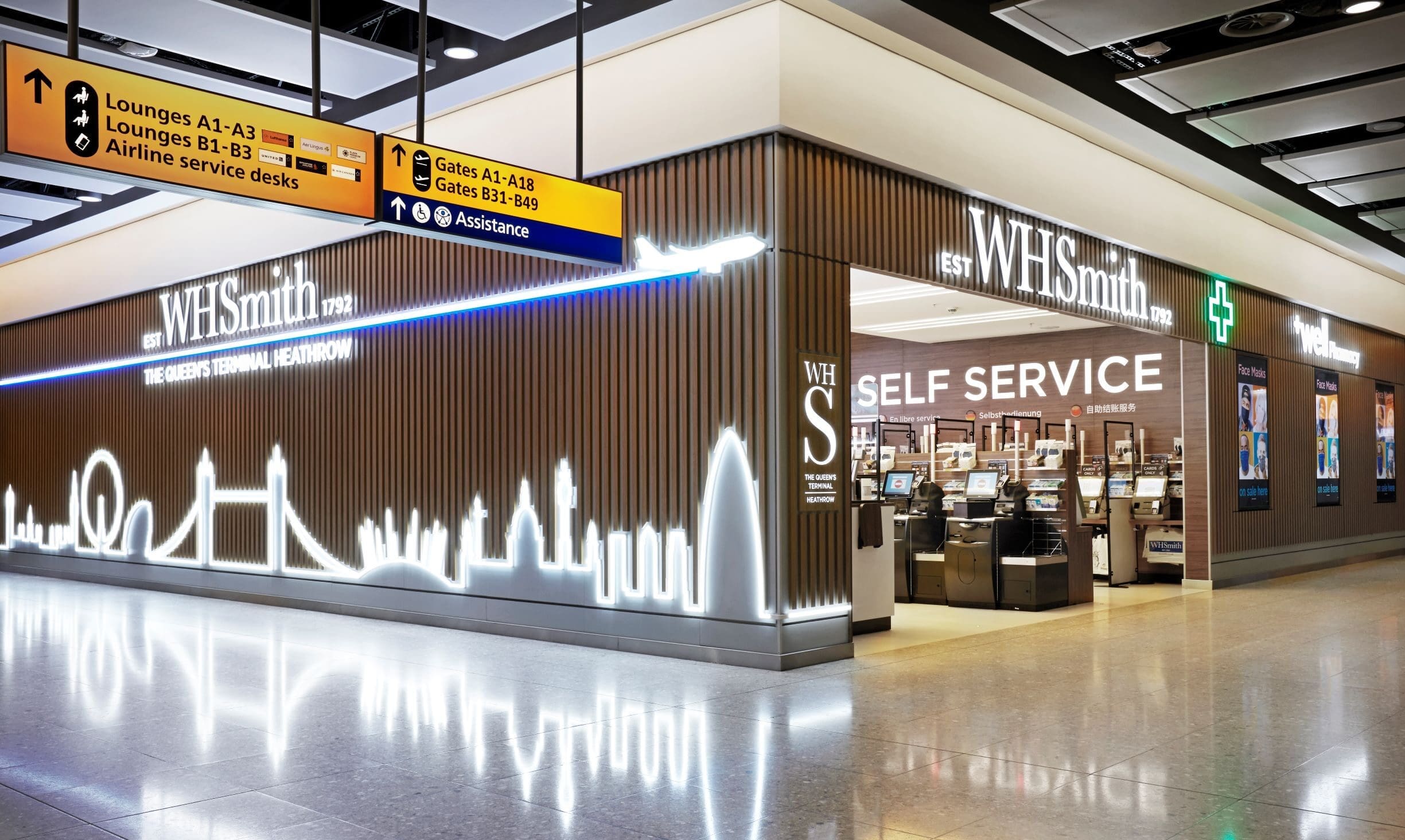
WHSmith has launched a share placing to raise capital after reporting a slowdown in summer travel trade and downgrading its full-year profit forecast.
Total revenues rose 5% in the 14 weeks to 6 June 2026, but like-for-like sales growth slowed to 2% amid falling passenger numbers, particularly driven by the disruption to Middle East flight schedules.
Looking ahead, the retailer expects full-year pre-tax profit of between £75m and £90m, down from previous forecasts.
It also expects a non-cash impairment charge of up to £150m relating to underperforming stores.
While hospital channels grew by 7% and rail rose 2%, air travel sales fell 1%. Transatlantic performance was particularly weak, with North American like-for-like revenue down 4% over the last seven weeks.
Over the period, the company closed 14 uneconomic fashion stores in its North American resorts division. A further 12 fashion stores are scheduled for closure later this year as part of a wider restructuring plan.
Its results come as higher jet fuel prices and airfare inflation have reduced overall airline capacity. Reduced footfall has also forced the group to increase promotional activity, creating pressure on its profit margins.
In light of this, the retailer will look to raise capital through placing 26 million new shares.
Leo Quinn, executive chair, WHSmith, said: “Early in April, we launched a far-reaching self-help programme across WHSmith. Our goal is to greatly strengthen the group’s operations while driving more effective implementation of value creation.
“The business has a strong core and operates in attractive markets with ample scope for profit expansion, particularly in North America. However, we need much greater capital discipline and a laser focus on returns. In recent years, the outcomes from certain acquired businesses and contract obligations have been very disappointing. Our priorities are to build an efficient and effective foundation for WHSmith and use this to drive a growth strategy managed for profitability.”
He added: “In particular, we are now taking action to sell, exit or renegotiate loss-making or low-return situations and, where appropriate, we are replacing directly-run operations with franchises in sub-scale markets. While we make meaningful progress in these areas, we must continue to invest in our core business to drive more productivity.”