



Register to get free articles
Want unlimited access? View Plans
Already have an account? Sign in
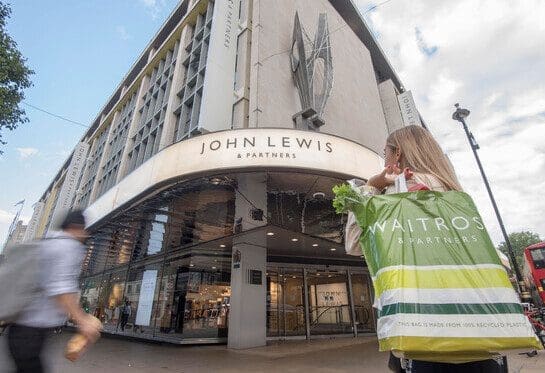
John Lewis is reportedly facing legal action from the owners of Brent Cross shopping centre over claims it owes a share of online sales collected through its store, even though the lease was signed before the rise of ecommerce.
According to the Financial Times, property firm Hammerson and Standard Life Investments are together asking the High Court to rule that click-and-collect sales should count towards the calculation used to determine rent payments.
At the centre of the dispute is a “turnover rent” clause in the lease dating back to 1979, before John Lewis offered click-and-collect sales.
Under the agreement, John Lewis must pay Hammerson extra rent once the north London store’s yearly sales exceed certain thresholds, on top of a base rent of £30,000 per year.
Under the terms of the Brent Cross lease, the retailer is liable to pay the landlord 0.75 per cent of the store’s gross receipts when annual turnover from the site exceeds £4m, and if takings exceed £10m, the payment rises to 1% of turnover.
Hammerson and Standard Life, now part of Abrdn, reportedly argue that although the lease was signed before the internet era, “mail, telephone or similar orders received or fulfilled at or from the premises, or directed there,” should count towards gross receipts.
They also contend that collection fees should be included in the calculation.
The FT reported that in its defence filing, John Lewis argued that online sales and associated collection fees should not be included in turnover rent calculations, as the transaction is completed when the item is sent from its main distribution centre to the relevant store.
The claimants are seeking repayment of backdated rent they believe is owed.
According to the FT, lawyers and property specialists say these types of clauses are frequently disputed, with no clear industry agreement on whether click-and-collect sales should be included in turnover rent deals.
It added that such deals have become more common as ecommerce has reduced demand for physical retail space.
John Lewis declined to comment, and Hammerson and Standard Life have been approached for comment.