






Register to get free articles
Want unlimited access? View Plans
Already have an account? Sign in
When Russia invaded Ukraine in February 2022, British gas prices skyrocketed to 600p per therm, infamously driving average annual energy bills upwards of £4,000 and costing the state £80bn in bailouts. Relief for retailers was provided in Liz Truss’ Energy Bill Relief Scheme, which capped wholesale energy bills for all non-domestic customers, including businesses and the public and voluntary sectors.
While domestic customers today can benefit from last week’s Ofgem price cap until June, business operators do not have that pleasure. Although it remains to be seen whether the government will cave to what will likely be inevitable pressure to step in, retailers will inevitably face challenges for quite some time.
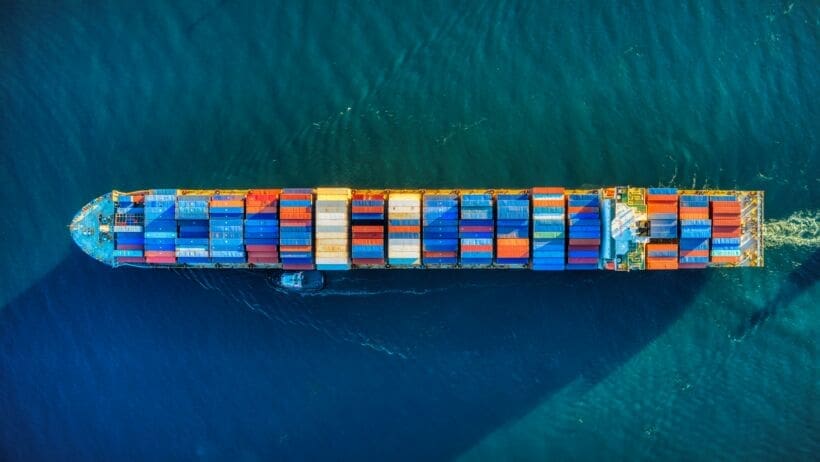
The indefinite closure of the Strait of Hormuz risks dramatically pushing up the price of oil in Europe as its primary dependents in Asia, such as China, Japan and South Korea, seek alternatives. Following the direct targeting of an Iranian oil facility by Israel on Sunday 9 March, the price per barrel has already reached $120 (£89.6), a figure data firm Kpler said could rise to $150 (£112) if disruption in the strait persists for four weeks. According to The Economist, increasing oil production in other places would only add only one to two million barrels per day which would take at least six months to reach the market. As the strait remains one of Iran’s primary weapons of war, retailers might best prepare for higher supply chain and delivery costs that could last up to a year.
When it comes to gas, consultancy Wood Mackenzie reckons a week of the strait’s closure equates to global supply dwindling by 1.5m tonnes. Although the UK imports only a small amount of gas directly from the Middle East, it remains exposed to price spikes as it competes with Asia and Europe for shipments. This comes as European gas storage is already under seasonal norms and 10% lower than it was last year. Following Saudi Arabia’s interception of a missile attack on its energy infrastructure only last night, 9 March, retailers should count on the long term vulnerability of energy supplies and therefore higher manufacturing and warehousing costs.
Back in 2022, the Association of Convenience Stores (ACS) said the convenience sector was looking at individual energy bills of £88,000 per store, three to four times what retailers were paying in 2021. Data collected by the forecaster Cornwall Insight shared with the Guardian in 2024 indicated that independent retailers were paying an annual surplus of £5,000 than before the energy crisis began in 2021. For supermarket giant Iceland, whose model relies on the operation of thousands of freezers, City AM reported energy bills surged past £95.7m in the financial year ending March 2023.
If the Iran conflict continues to escalate through spring and summer or onward, impacted supply chains and store energy costs will force retailers to decide how much of these costs it will pass on to consumers or swallow themselves. The latest Barclays Consumer Spend report yesterday showed that around four in five retailers are worried about how the Middle East’s tensions will impact fuel costs, energy bills and inflation, with almost half taking action in response with energy consumption cuts, discretionary spending reduction, savings buffers and delays to major spending decisions.
Consumers could double down on any reluctance to shop come June, when Ofgem’s current price cap ends. Despite the price cap being determined using data obtained in the three preceding months, energy experts are already warning customers to consider whether fixed rates offered today are likely to be available this summer.
Retailers best placed to respond will focus on improving supply chain efficiency, hedging energy costs where possible, and maintaining flexibility in sourcing and logistics to cushion against volatility. Brandon Warren, chief growth operator at American retail consultancy the Barcode Group, said British retailers can “get ahead” of adverse impact by fast-tracking inventory commitments and negotiating fixed-price contracts for stability. He added that they should diversify sourcing away from high-risk areas, even if that temporarily raises costs, and advise customers of price changes to maintain trust. “This is not just a reactive concern; resilient brands treat supply chain resilience as an ongoing business priority,” he says.