




Register to get free articles
Want unlimited access? View Plans
Already have an account? Sign in
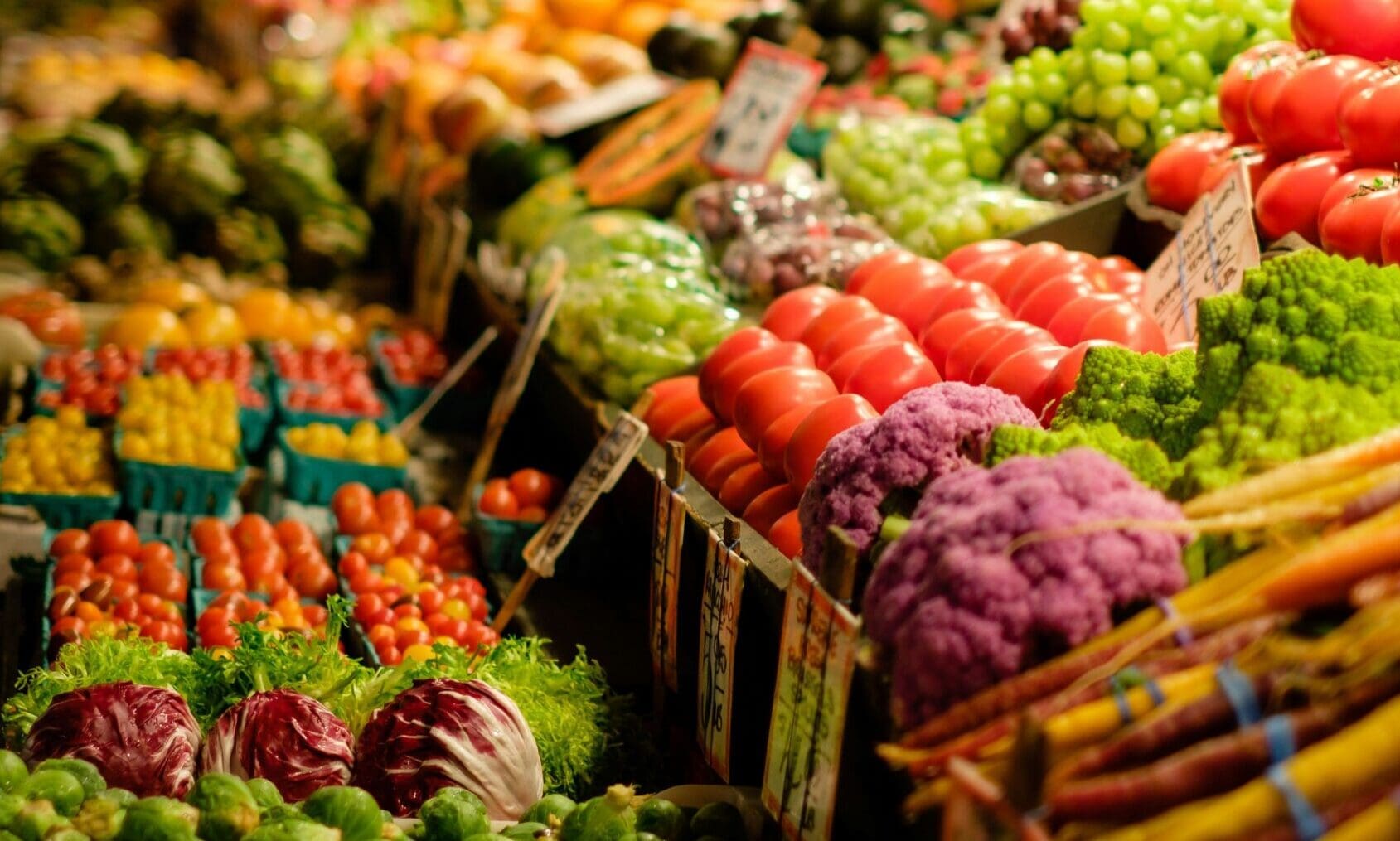
Aldi is taking a bold step toward reducing plastic waste by trialling 12 new loose fruit and vegetable lines across select stores in Northern England. Customers in County Durham, Cumbria, and other northern regions can now buy items like parsnips, broccoli, ginger, and oranges without the unnecessary plastic wrap.
If the initiative rolls out nationwide, Aldi estimates it could eliminate 445 tonnes of plastic packaging each year. The move isn’t just about cutting plastic – it’s also a strategy to reduce food waste by letting shoppers buy exactly what they need.
Luke Emery, Aldi’s national sustainability director, sees this as a chance to influence customer habits. By offering packaging-free produce, the supermarket hopes to encourage more environmentally friendly choices.
It’s a practical win for shoppers too: buying loose fruit and vegetables means more flexibility and potentially less waste at home. According to Catherine David, director at WRAP(Waste and Resources Action Programme), a household of four wastes about £1,000 worth of food annually.
Despite the fact that selling loose produce could help households save money and conserve resources, many supermarkets in the UK still heavily rely on plastic packaging. The reasons are multifaceted. For one, convenience plays a big role; pre-packaged produce simplifies labeling, storage and transport, and many smaller stores lack the infrastructure to weigh loose items.
During the pandemic, demand for pre-packaged goods also proved to be particularly popular among shoppers, and while interest in sustainable options is rising again, it hasn’t fully rebounded to pre-Covid levels.
Nevertheless, signs of change are emerging. Morrisons, for example, started offering plastic-free fruit and vegetables in 60 stores after a successful 10-month trial in 2019.
Innovations like Apeel – a plant-based coating that extends the freshness of produce – also offer promising alternatives to plastic, addressing concerns about food spoilage.
Industry-wide efforts are also gaining momentum, such as WRAP’s goal for 50% of uncut fruit and vegetables to be sold loose by 2030, and the new UK laws that now (as of early 2024) requires major supermarkets to offer loose produce in recyclable bags.
The potential impact is significant. Greenpeace data shows that a fifth of all plastic sold in UK supermarkets comes from fruit and vegetable packaging. Therefore, selling produce loose could save an estimated 30,000 tonnes of plastic annually.
Traditional greengrocers have shown it is entirely possible to sell fruit and veg without plastic, and modern supermarkets have every reason to follow suit. Flexible quantities, fresher produce, and reduced waste make a compelling case.
Aldi’s trial is a hopeful glimpse into what the future of grocery shopping could look like – one where shoppers aren’t forced to buy more than they need or contribute to unnecessary plastic waste. It’s not a complicated change, but it requires commitment from supermarkets and a shift in consumer habits.
As trials like Aldi’s continue, they could pave the way for a broader transformation in how we buy our fresh produce. The next time you see a plastic-wrapped coconut, remember: a better way is already in the works.