Shop price inflation edges up in December as food prices rise
Food inflation climbed to 3.3% year on year, from 3.0% in November, matching the three-month average
Register to get 1 free article
Reveal the article below by registering for our email newsletter.
Want unlimited access? View Plans
Already have an account? Sign in
Shop price inflation rose to 0.7% year on year in December, up from 0.6% in November, as food prices increased at a faster pace, according to new data covering the week of 1–7 December 2025.
The increase was in line with the three-month average of 0.7%. Month-on-month prices were flat overall, following a 0.1% decline in November.
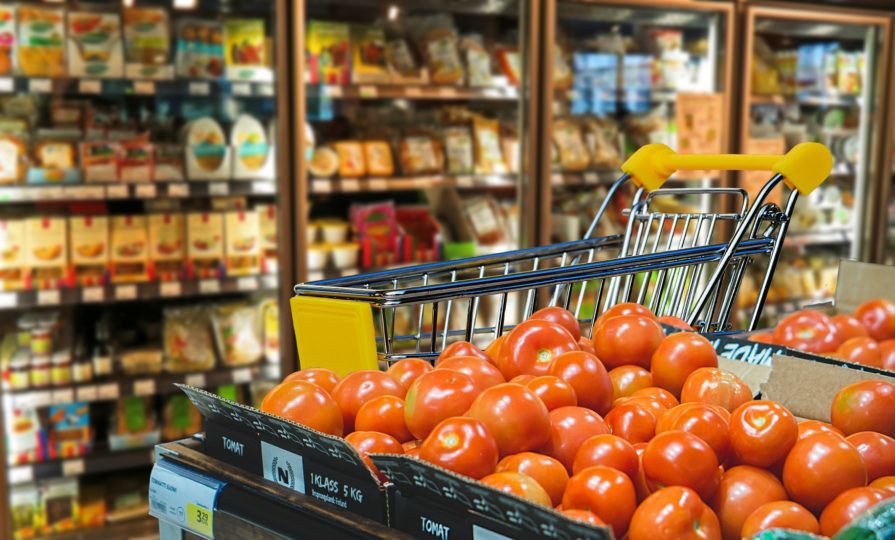
Food inflation climbed to 3.3% year on year, from 3.0% in November, matching the three-month average. Fresh food inflation rose to 3.8%, up from 3.6% the previous month, but remained slightly below the three-month average of 3.9%.
Story Stream: More on Inflation
- ‘Dismal December’ as Christmas fails to boost retail sales, BDO finds
- Claire’s and TOFS near administration, 2,500 jobs at risk
- Asda backer raises £3.3bn from property sales as market share slides
- Pets at Home appoints James Bailey as chief executive
- UK consumer confidence edges up but remains flat year-on-year
Ambient food inflation increased to 2.5% year on year, compared with 2.4% in November, and was also below the three-month average of 2.6%.
Non-food prices remained in deflation, falling by 0.6% year on year for a second consecutive month, in line with the three-month average. Month-on-month non-food prices declined by 0.1% in December.
Helen Dickinson, chief executive of the British Retail Consortium (BRC), said: “Shop price inflation edged up in December as food prices rose at a faster rate. Nonetheless, shoppers still found plenty of value across many Christmas essentials including vegetables, cheeses, and alcohol, helping households to enjoy the festive season. Promotions were also widespread across popular gifting categories, including toys, books, and home entertainment.
“This year, retailers will continue to do all they can to keep prices down. While falling energy prices and improved crop supply should help ease some cost pressures, increased public policy costs and regulation will likely keep inflation sticky. 2026 must be the year that Government works with business to create a policy environment that reduces the pressures bearing down on the industry. This will enable retailers to invest more in keeping their prices down, benefitting households all across the country.”
Mike Watkins, head of retailer and business insight at NIQ, added: “This Christmas, shoppers remained cautious, prioritising affordability. Retailers worked hard to encourage spending by keeping supply chain price increases to a minimum, and many food retailers reduced prices in December to support demand.
“Looking ahead to 2026, although inflation has peaked, weak shopper sentiment is likely to persist, so shoppers will continue to seek out lower prices and promotional offers.”