





Register to get free articles
Want unlimited access? View Plans
Already have an account? Sign in
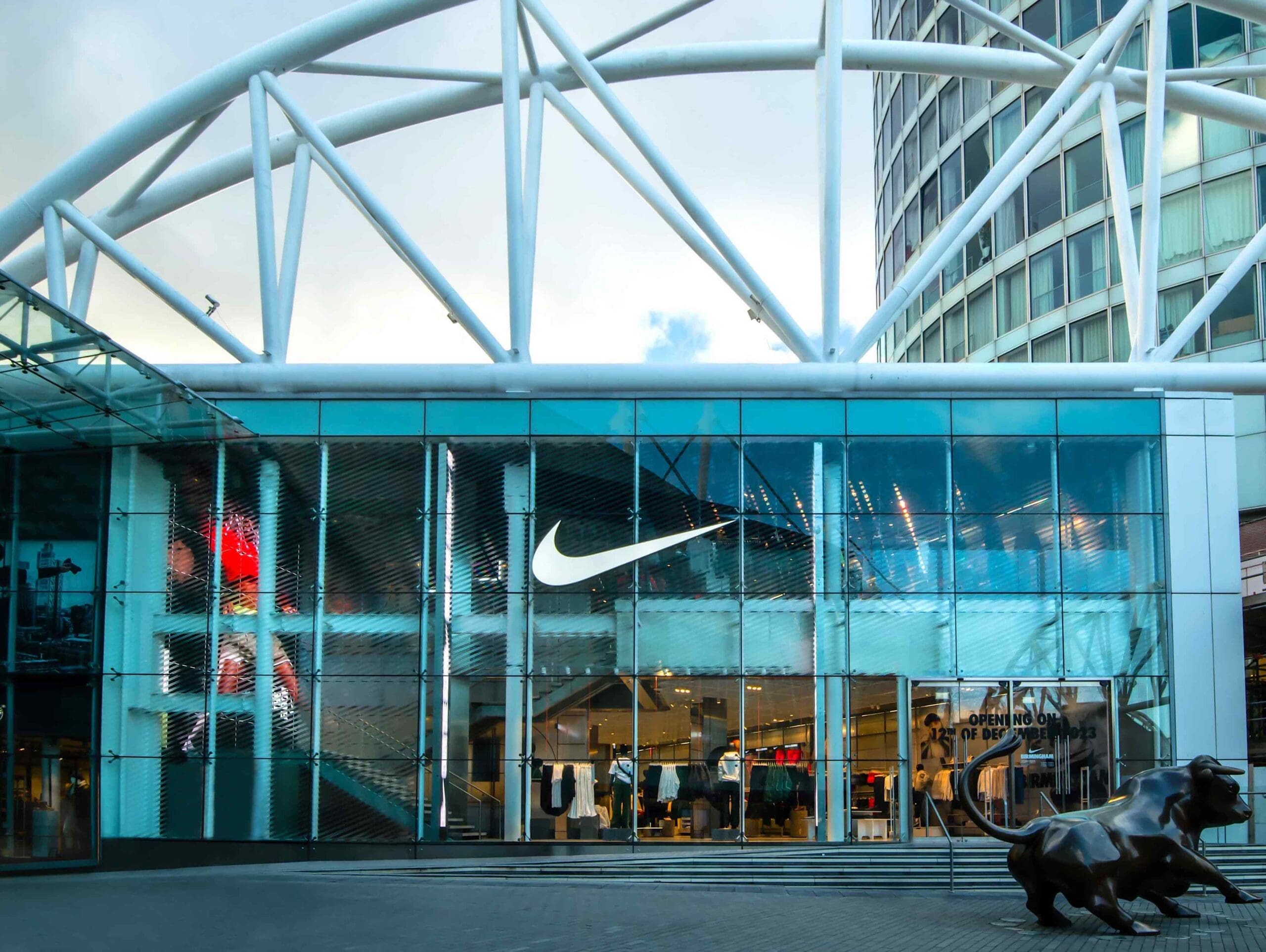
Nike reported a modest 1% increase in Q2 revenues to $12.4bn (£9.3bn), but said profits fell sharply as higher tariffs weighed on margins and sales through its direct channels declined.
The sportswear group said gross margin fell by 300 basis points to 40.6%, primarily due to higher tariffs in North America. Net income dropped 32% to $0.8bn (£0.6bn), while diluted earnings per share fell by the same margin to $0.53 (about £0.40).
Wholesale revenues rose 8% to $7.5bn (£5.6bn), driven mainly by growth in North America. This offset a decline in Nike Direct revenues, which fell 8% on a reported basis to $4.6bn (£3.4bn), reflecting weaker digital sales and lower footfall in company-owned stores.
Nike brand revenues increased 1% to $12.1bn (£9.1bn), with gains in North America partly offset by declines in Greater China and Asia Pacific and Latin America. Revenues at Converse fell sharply, down 30% to $300m (£225m), with declines across all regions.
Selling and administrative expenses rose 1% to $4.0bn (£3.0bn). Demand creation spending increased 13% to $1.3bn (£0.97bn), reflecting higher brand and sports marketing costs, while operating overheads fell 4% to $2.8bn (£2.1bn).
The effective tax rate increased to 20.7% from 17.9% a year earlier, driven by changes in the mix of earnings.
Inventories stood at $7.7bn (£5.7bn) at the end of the quarter, down 3% year on year, reflecting lower unit volumes partly offset by higher product costs linked to tariffs. Cash, equivalents and short-term investments fell by around $1.4bn (£1.05bn) to $8.3bn (£6.2bn), as operating cash generation was outweighed by dividends, debt repayment, share buybacks and capital expenditure.
Elliott Hill, president and chief executive at Nike, said the group was making progress in a turnaround effort focused on operational changes and portfolio rebalancing.
He said: “Nike is in the middle innings of our comeback. We are making progress in the areas we prioritised first and remain confident in the actions we’re taking to drive the long-term growth and profitability of our brands.”
Matthew Friend, executive vice-president and chief financial officer, added: “In the second quarter, we demonstrated the resilience of our portfolio, delivering modest top-line reported growth while managing headwinds from repositioning our business in a dynamic operating environment.”