




Register to get free articles
Want unlimited access? View Plans
Already have an account? Sign in
Take-home sales at the grocery retailers rose by 4.3% over the four weeks to 26 January compared with one year ago, according to Kantar’s latest grocery market share data, in part boosted by a rising demand for wellness products.
It comes as January also spelled relief for shoppers as grocery price inflation slowed to 3.3% over the four weeks.
According to the latest Kantar report, with household budgets typically stretched at this time of year, supermarkets were increasing their discounts over the month. As a result, spending on promotions rose year-on-year by £274m, accounting for 27.2% of sales – the highest level in January since 2021.
People also turned to non-branded products to help keep costs down, with own label as a proportion of sales hitting a record high of 52.3% in January.
Spending on supermarkets’ own lines was also up 5.4%, helped by consumers buying premium own label products in the couple of days leading up to New Year’s Eve.
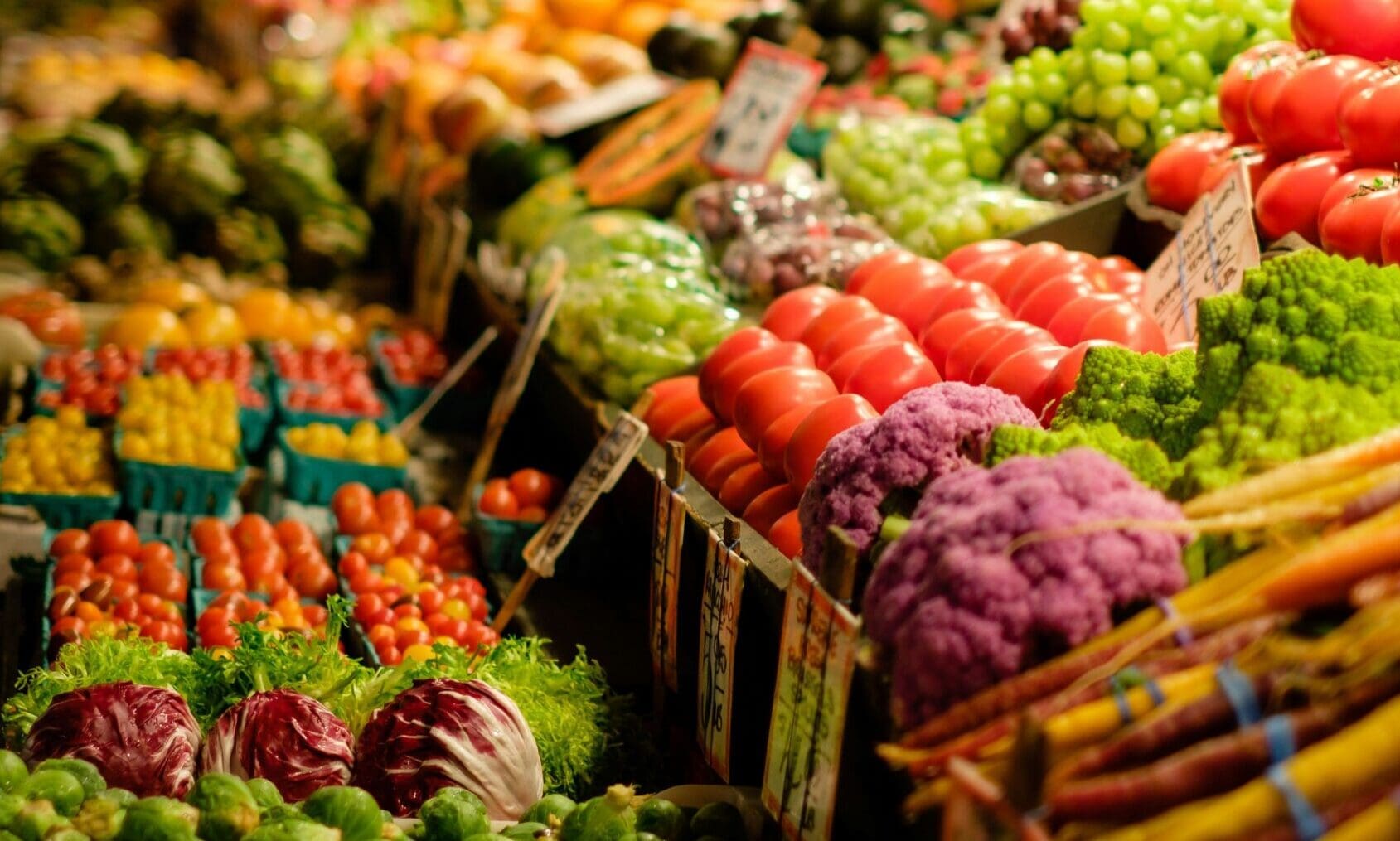
Additionally, more than 10% of the average consumer’s January grocery bill was spent on fresh fruit, vegetables and salad, totalling £1.2bn – £193m more than in December.
The report also highlighted that going into the new year, health tends to play a “bigger role” in consumers’ grocery choices. Over a quarter of take-home food and drink in January was chosen with health at least “partially in mind” as shoppers stated that they want to eat “less processed food and feel the benefit of fibre and vitamins”.
Demand for protein products rose, as well as demand for bars, bites and drinks, which boosted spend on sports nutrition products.
Sales for this category at supermarkets were 47% higher than last year, with over two million households buying these items during the month.
Furthermore, as many shoppers followed the low and no alcohol trend in January, sales of low and no alcohol drinks were 7% higher than last January, and 6.7% of households bought at least one of these alternatives.
However, 49% of customers still purchased an alcoholic drink this month, though this marked a big drop from December’s 76%.
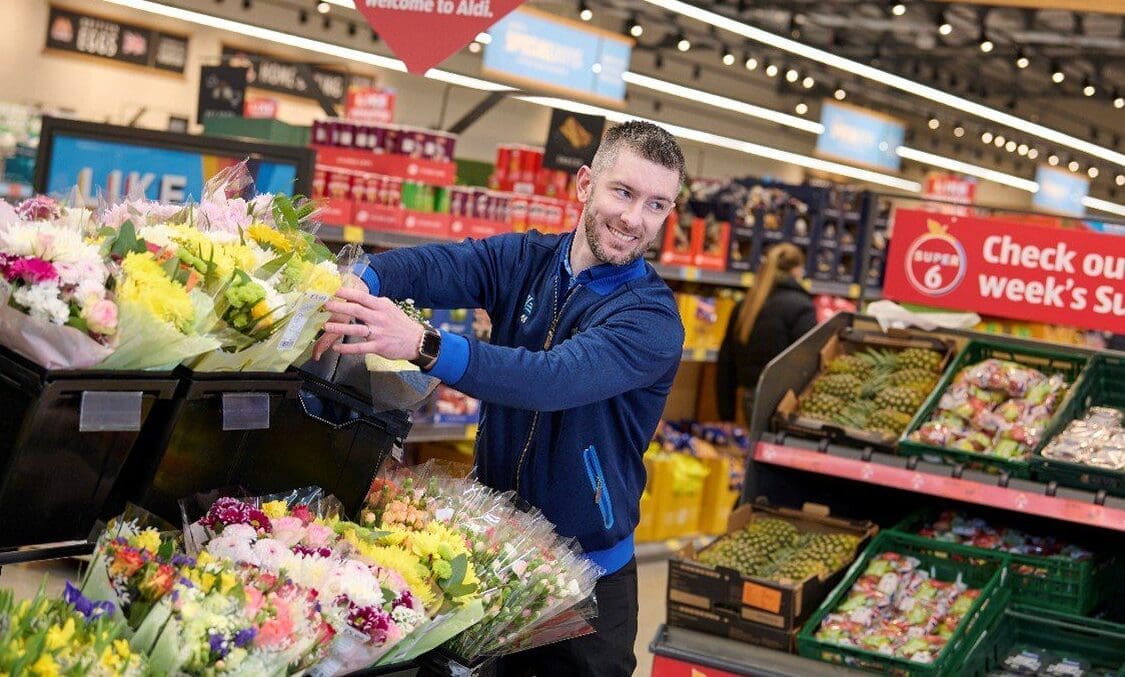
In terms of supermarkets, Lidl’s sales rose 7.4% over the 12 weeks to 26 January, marking three continual years of growth for the discounter. Aldi accelerated for the third consecutive month with sales up 4.2% and its market share increasing to 10.2%.
Meanwhile, Ocado was the “fastest-growing” grocer for the ninth consecutive month. Spending at the online retailer grew by 11.3% meaning it now holds 1.9% of the market.
Joint owner of Ocado Retail, M&S, also saw a strong 12 week period of growth with grocery sales increasing by 10.5% in its brick-and-mortar stores.
In addition, Britain’s largest grocer Tesco gained the most share, its 28.5% hold of the market is 0.7% higher than this time last year, and it also saw its fastest rise in sales since April 2024 at 5.6%.
Sainsbury’s outpaced the market at 4.2% sales growth, increasing its share from 15.7% to 15.9%. Morrisons has 8.6% of the market while Asda’s portion is 12.6%.
Lastly, convenience retailer Co-op returned to growth, with sales rising by 0.8% giving it a 5.2% share of the market, while Waitrose maintained a share of 4.6% as sales climbed by 3.0%. Spending at frozen specialist Iceland was 1.0% higher, maintaining its share of 2.4%.