




Register to get free articles
Want unlimited access? View Plans
Already have an account? Sign in
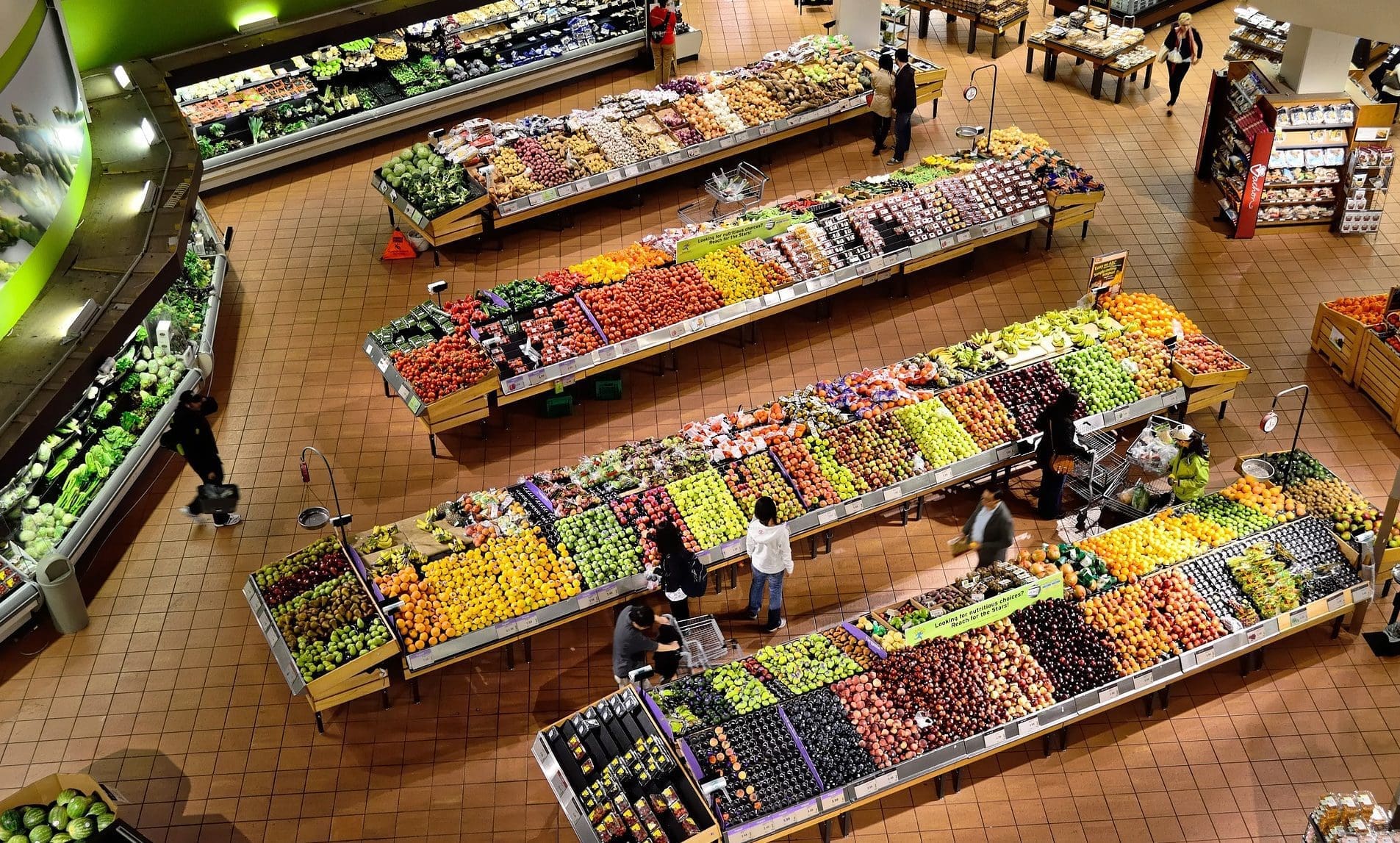
Like-for-like grocery price inflation has dropped to its lowest level since 2022 and now sits at 16.5% for the four weeks to 11 June 2023, according to the latest data from Kantar.
British take-home grocery sales rose by 10.8% over the month in comparison with the same period last year.
Aldi was the fastest growing retailer for the 12 weeks to 11 June 2023. Its sales rose by 24.6% pushing it to a new record market share of 10.2%, 1.2 percentage points higher than the same period last year.
Meanwhile, Lidl’s sales growth was only slightly behind its fellow discounter, increasing sales by 23.2%, giving it 7.7% of the market.
Morrisons’ sales rose by 0.8% this period and its market share is at 8.8% whereas, Sainsbury’s and Asda’s sales both grew at 10.0% over the past 12 weeks, ahead of the wider grocery market. They now account for 14.9% and 13.7% of total sales respectively.
Britain’s largest retailer, Tesco, saw its sales increase by 8.9%, as it achieved a 27.1% market share.
In addition, Co-op’s sales rose by 3.8% giving it a 5.8% market share. Following a 3.3% rise in sales, Waitrose now holds 4.5% of the market leading Iceland and Ocado on 2.3% and 1.7% respectively.
Fraser McKevitt, head of retail and consumer insight at Kantar, said: “This is the lowest rate of grocery price inflation we’ve seen in 2023, which will be a relief to shoppers and retailers. But prices rising at 16.5% isn’t something to celebrate and it’s still the sixth highest monthly figure in the past 15 years. Price rises are now being compared to the increasing rate of grocery inflation seen last summer, which means that it should continue to fall in the coming months, a welcome result for everyone.
“The ongoing squeeze is clearly weighing on the nation’s mind. Of the top five financial worries that consumers have, rising grocery prices is the only one that they are more concerned about now than at the start of this year. Nearly 70% of households are either ‘extremely’ or ‘very worried’ about food and drink inflation compared to just over two thirds when asked the same question in January. It remains the second most significant concern, narrowly behind rising energy bills.”
McKevitt added: “Savvy shoppers have been continuing to swerve the full force of price increases, with many switching to the cheapest own label lines. Total spending on these value ranges has rocketed by 41% compared to last year and retailers have been quick to respond, expanding their offerings to meet demand. This has helped the value tier to become the fastest growing part of the market every month since June 2022.”