


Register to get free articles
Want unlimited access? View Plans
Already have an account? Sign in
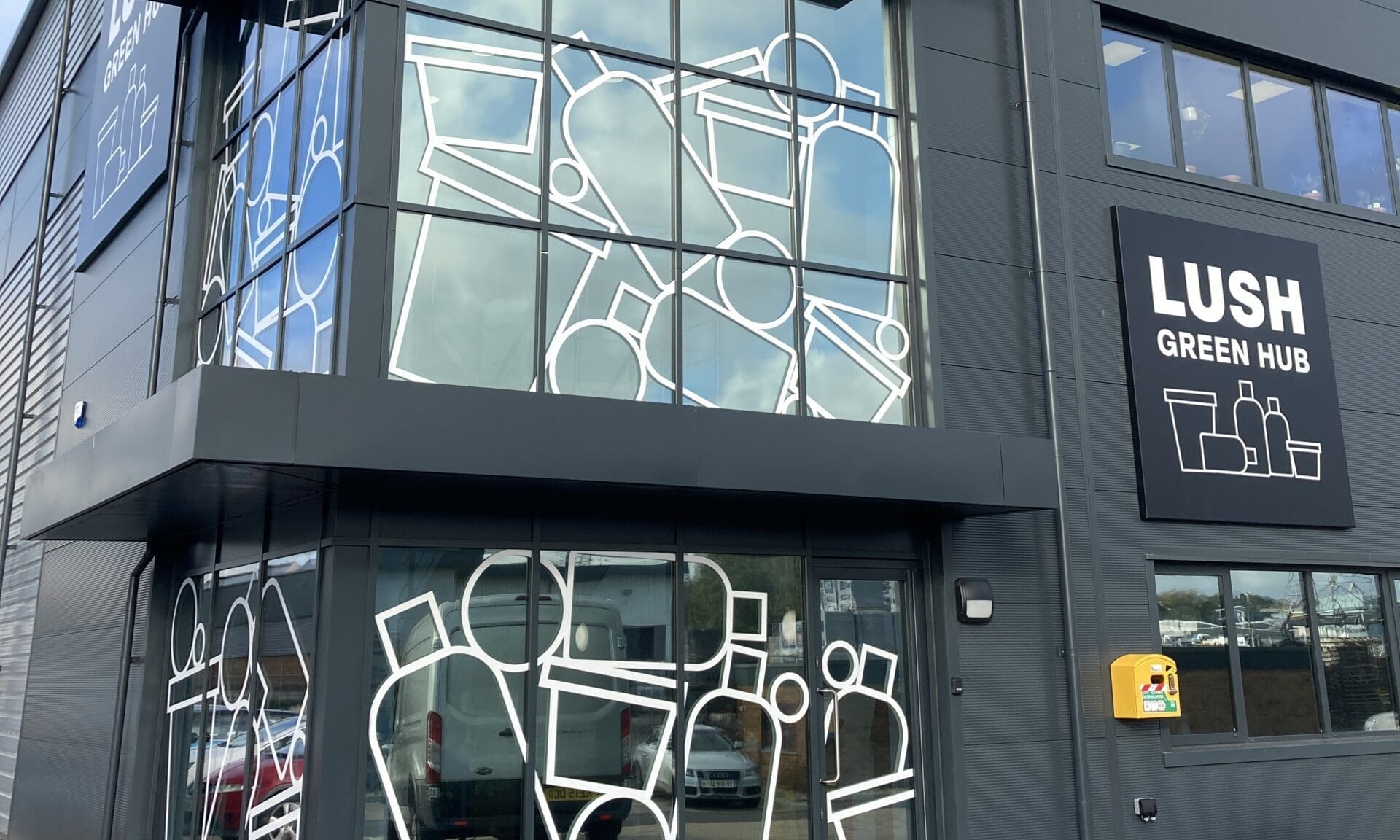
Handmade cosmetics company Lush has announced the competition of its new Green Hub near its headquarters in Poole, Dorset.
While Lush has operated a Green Hub facility since 2015, the new opening follows a £2.4m investment in relocating and refitting a new 40,000 sq ft location on the Fleets Corner Business Park. The new hub is three times the size of the original for processes that have been upscaled and expanded.
The Green Hub, which will be finding solutions for materials that could be considered waste, will have six core teams working together to create circular economies to close the loop on packaging and water waste, and find solutions to reuse, repurpose, repair and recycle materials from across the business.
Key functions of the new Green Hub include granulating plastic as part of the brand’s closed loop ‘Bring it Back’ recycling scheme; treating wastewater from their manufacturing and laundry processes; repairing machinery to prevent purchasing new; and donating surplus products and lifestyle items to charities and grassroots groups across the country.
In 2022, the retailer recycled 81% of its UK manufacturing waste, repaired over 700 electrical items and donated more than 107,000 products and lifestyle items to those in need.
The Green Hub team will be able to process 20 tonnes of plastic per week in a closed loop, while the DAF water treatment unit will bring Lush’s wastewater treatment process in-house, processing 500 tonnes of dirty water each year and preventing the need to transport wastewater off-site.
Ruth Andrade, earthcare strategy lead for Lush, said: “The best positive contribution we have made to the waste problem at Lush is to invent, manufacture and sell our revolutionary naked cosmetics, however, we also create creams, gels and gifts, and manufacture our own products, so we are still generating waste.
“From the early days of the first Green Hub in 2015, it has been about much more than just ways to process materials, it has been about finding the hidden potential in the materials we use.”
She added: “With this new big and better Green Hub, we can do much more, and more importantly open our doors for our community to design this journey with us.”