




Register to get free articles
Want unlimited access? View Plans
Already have an account? Sign in
Shop price inflation reached a record high in February amid warnings that consumers are unlikely to see prices dropping again for months, according to the latest figures from the British Retail Consortium (BRC).
Shop Price annual inflation accelerated to 8.4% in February, up from 8.0% in January and well above the three-month average rate of 7.8%, bringing shop price growth to a fresh high.
The figures also showed that non-food inflation accelerated to 5.3% in February, up from 5.1% in January.
It also found that food inflation increased to 14.5% in February, up from 13.8% in January and well above the three-month average rate of 13.8%.
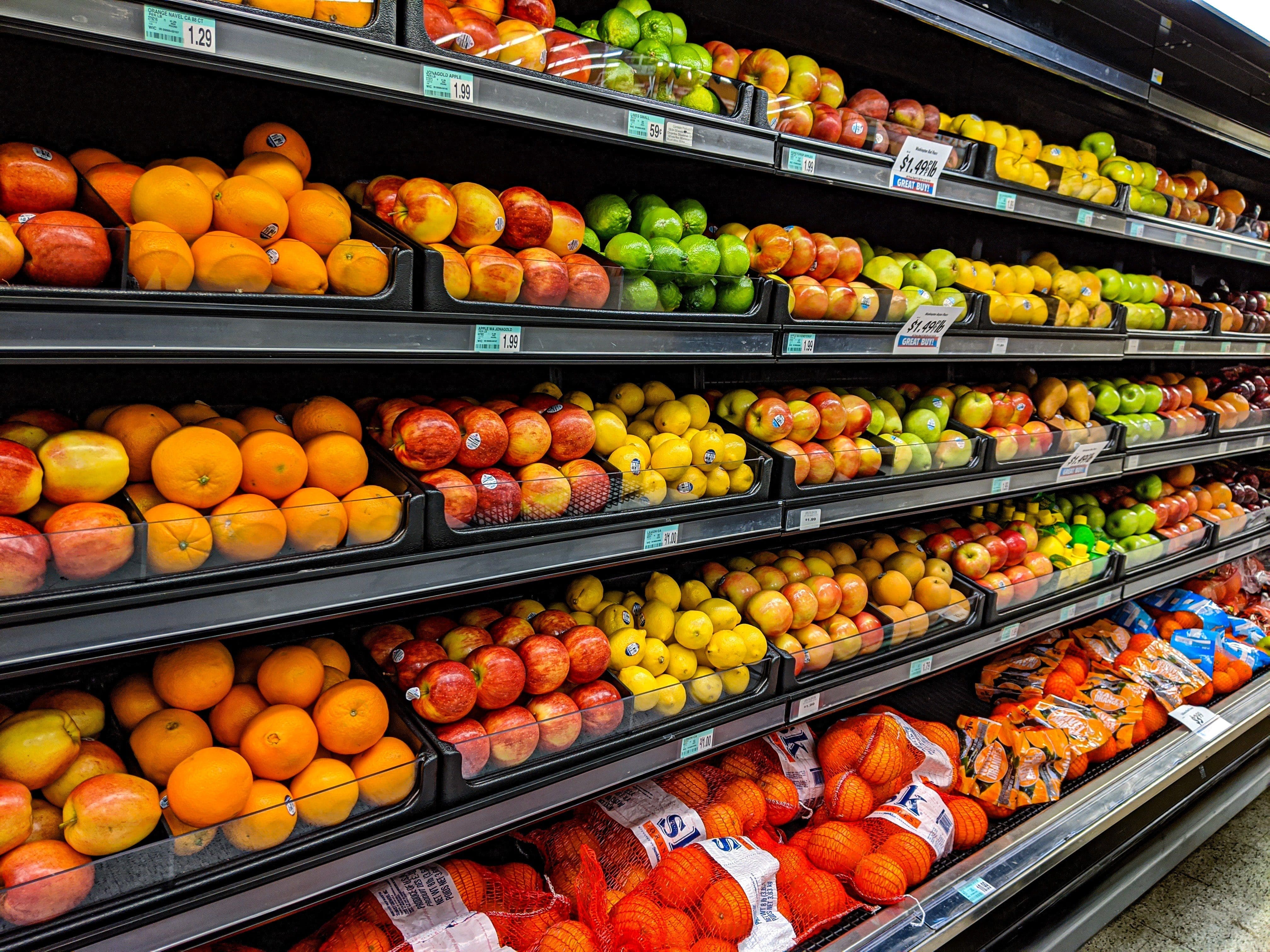
Meanwhile, fresh food prices are up 16.3% higher than a year ago, up from 15.7% in January. Ambient Food also saw a rise in inflation to 12.2% in February, up from 11.3% in January.
Helen Dickinson OBE, chief executive of the British Retail Consortium, said: “Shop price inflation rose to another record high as retail prices across the board continued to react to the impact of soaring energy bills, higher running costs and tougher trading conditions brought about by the war in Ukraine.
“For non-food products, these factors particularly impacted gardening tools and pet food. Meanwhile, fresh food prices, especially vegetables, were also affected by a weaker pound, making produce imports from Europe more expensive.”
She added: “While we expect to see the annual inflation rate reduce in the second half of this year, retail prices will remain high over the coming months. Government must avoid any additional costs on business as this will jeopardise retailers’ ability to best support their customers and keep prices low throughout this cost-of-living crisis.”
Mike Watkins, head of Retailer and Business Insight, NielsenIQ, said: “With more than half (56%) of UK consumers feeling they are in a worse financial position compared to a year ago and inflation still stubbornly high, many households are trimming back on non-essential spending.
“And as volume sales are down on last year, some retailers are having to work even harder to encourage customer spending, including additional price cuts or promotional activity. This is likely to continue until consumer confidence starts to improve.”