




Register to get free articles
Want unlimited access? View Plans
Already have an account? Sign in
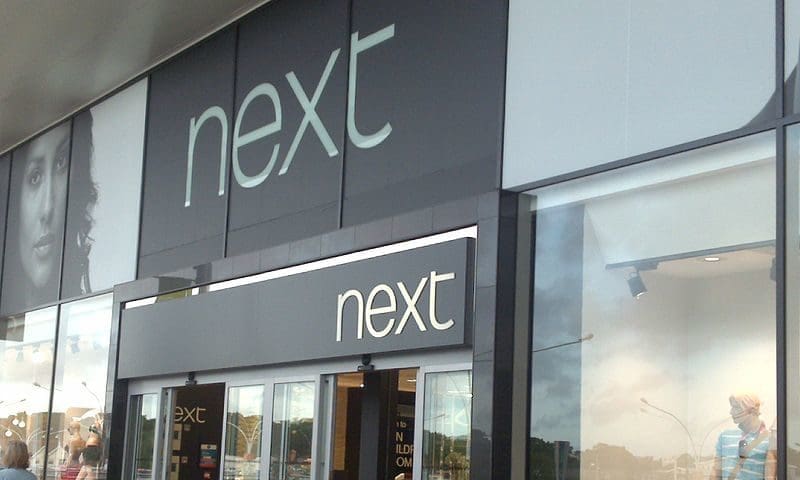
Next has reportedly cut sick pay for staff who are unvaccinated and are forced to isolate due to contact with someone who has tested positive, according to the BBC.
The BBC said that staff who are unvaccinated and test positive themselves will still get full sick pay. It added that the company admitted while it was an “emotive topic” it was a decision based on balancing staff and shareholder needs.
As such, workers who are unvaccinated and are forced to isolate as a close contact will now have to rely on the statutory sick pay of £96.35 a week.
Kate Palmer, HR advice and consultancy director at Peninsula UK said that while employers are under “no obligation” to maintain full pay for isolation periods they should be “careful” when introducing such rules.
She said: “Employers across the country are experiencing difficulties with staffing levels due to self-isolation absences. As such, many are having to take steps to mitigate the impact this is having on their business and its performance, including introducing measures to discourage the absences in the first place.
“Employers are under no obligation to maintain full pay for periods of self-isolation (unless contracts provide this); they only have to meet SSP requirements for eligible employees. Reducing sick pay may make employees be more careful with their actions and behaviours outside of the workplace, including going to large events or not adhering to mask wearing and social distancing guidance.”
She added: “This in turn will help reduce the likelihood of them being in close contact with a Covid-positive person and having to isolate. With that being said, employers should be careful that introducing these rules don’t treat employees unfavourably, particularly those with underlying health issues.
“Employees who are medically exempt from getting the Covid jab, or those with reasonable other grounds for not being vaccinated (e.g., staff who are pregnant or have concerns about getting it due to reasons relating to their race or religion), may raise claims of discrimination if they are put at a detriment because of following Government isolation guidance. A detriment in this situation includes loss of pay.”
Retail Sector has contacted Next for comment.