



Register to get free articles
Want unlimited access? View Plans
Already have an account? Sign in
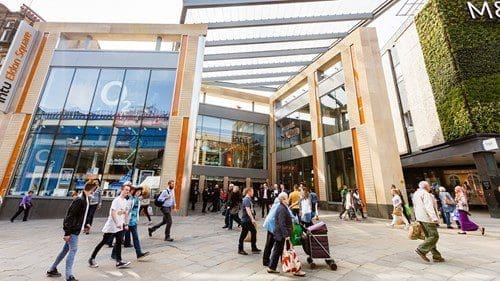
Saddled with unsustainable levels of debt and lacking rental income over the past two quarters due to Covid-19 restrictions, Intu finally announced its move into administration earlier this month. The shopping centre giant’s collapse left thousands of shops and livelihoods on the line and it represented a pivotal moment for UK retail. Never before has a landlord so big failed.
Intu is the UK’s largest shopping centre chain and it boasts some of Europe’s most popular retail destinations to its name, including the Trafford Centre in Manchester and Lakeside in Essex. In the midst of restrictions to non-essential shops, its very asset became its downfall. With brick and mortar retailers paying less than 15% of their rent last quarter, debt quickly piled up across Intu’s 17 shopping centres.
While the coronavirus was undoubtedly the immediate cause of the fall into administration, the seeds of Intu’s downfall were sown long before the health crisis. Last year, Intu reported a £2bn loss, up from a £1.17bn loss the year before. The reason behind Intu’s string of losses is simple: e-commerce. Over the past ten years or so, people have ditched shopping centres for shopping online at an unprecedented pace. According to the Office of National Statistics, e-commerce sales as a percentage of overall retail sales grew to 19.2% in 2019. To put this in perspective, e-commerce only accounted for 6.2% of sales in 2009.
Following the pandemic and the subsequent lockdown restrictions, the use of e-commerce over physical retail has only reached higher heights. Research from the British Retail Consortium found that for the first time ever online purchases accounted for half of all retail sales.
For shopping centres like Intu, the trend towards online over brick and mortar sales is worrying – footfall and purchases in shopping centres continue to fall as people choose the convenience of e-commerce sites over the hassle of travelling to a physical store.
In response to the rise in online purchases, shopping centres need to rethink and re-evaluate how they operate, as well as what they are offering consumers. With people now able to order products from a click of a button, shopping centres such as Intu need to provide a good enough reason for people to actively choose to shop in-store. Retailers need to convince consumers to return to their stores by creating experiences that are uniquely different from shopping online.
Hard enough in ‘normal’ times, creating an experience in a social distancing world, will be even more difficult. Concerns around the coronavirus and stricter restrictions mean that physical stores will have to be creative in crafting experiences that adhere to regulations. A few examples of this are; Selfridgeswhich has allowed consumers to pre-book slots to shop within their store and Galeries Lafayette which has offered virtual personal shopper/store walk throughs.
Longer-term though, expectations will rise again and shopping centres will need to transform, fast. More ‘flagship-style’ stores will become the norm and the ability for customers to move between online, physical and delivery channels seamlessly will be paramount. For shopping centres in particular, creating an omnichannel experiential environment will be critical to their success. Shopping centres, post lockdown, need to reclaim their position as a destination in their own right.
Combining a visit to a store with the ability to pick up a package, or return an online purchase, followed by a nice lunch and a trip to the cinema (which also needs to be more than an uncomfortable seat and dodgy popcorn), all while not having to carry your purchases everywhere (and potentially even having them show up at your house later in the day), shopping centres must create social experiences that people love.
For Intu and other shopping centres, the last few months have been challenging. The closure of stores and the fall in consumer demand caused by the pandemic has increased debt and put many retailers in financial difficulties. While demand will surely rise following the pandemic, it is still a question of where it will go. If shopping centres want a chance to recoup consumers post Covid-19 then they will have to transform their overall experiences so that they become the consumer’s choice.
Guy Elliott, senior VP Retail & Consumer Products EMEA & APAC, Publicis Sapient