






Register to get free articles
Want unlimited access? View Plans
Already have an account? Sign in
Today I am going to rattle through a wider selection of stories than normal because the spread of the virus is hitting so many sectors hard, with key figures in the business community affected.
The markets are recovering some of their losses this morning after having their worst selloff since 1987 yesterday. The FTSE 100 has risen by over 7% this morning, reflecting the large slew of economic stimuli announced by central banks around the world today. The cutting of interest rates, cash boosts for businesses, pumping extra currency into the system – all of these things soothe investor fears that government may not have everything quite under control. The Guardian reports that almost every share on the index rose rapidly this morning. Obvious persistent losers include Cruise operator, Carnival, which fell another 7%.
The chief executive of BT, Philip Jansen, has tested positive for the virus but is staying in situ to lead the company, albeit while self-isolating at home. He said that he had had meetings with “industry partners” during the week and so felt the need to make public his diagnosis. He did specifically say that while he feels unwell, he does not feel especially ill, and is happy to continue working.
The UK’s Financial Conduct Authority is warning of short-selling of Italian and Spanish stocks including banks, car companies and drinks producers, but also crisis-hit football and sports clubs. The sporting world is in a tailspin because of the obvious fact that matches and tournaments normally involve huge numbers of people gathering together to watch them.
The FCA has actually banned short selling for a day to try to bring the situation under control. A notable additional company’s stocks affected by the ban is Airbus. For the uninitiated, short-selling is where you essentially bet on stocks whose prices you think are going to fall. You borrow money to buy the shares in the company at a cost, and then sell them hopefully back to yourself at a lower price, and keep the difference. A similar ban was imposed during the Eurozone crisis of 2011, and other governments are banning it today too in Asia.
Travel and cruise company Saga has cancelled all of its cruises for two months to wait until the eye of the storm passes. It said it took the decision in direct response to government advice – Boris Johnson said in a press conference yesterday afternoon that older people should not be taking any cruise holidays.
The firm also insures the over-50 demographic. Cruise ships have been a centre of media interest since the crisis began because several ended up dropping anchor off various countries due to on-board outbreaks of the infection. Compulsory off-shore quarantines were imposed on the ships, some of which have now released guests.
Boris Johnson has asked tech firms to chip in with data muscle to help fight the spread of the virus. The initiative was called “digital Dunkirk” buy visitors to Downing Street on Wednesday night, where 30 different firms from across tech and science were addressed by the PM, according to the Guardian.
A few more bullet points:
- Disneyland is closing down all its theme parks in California
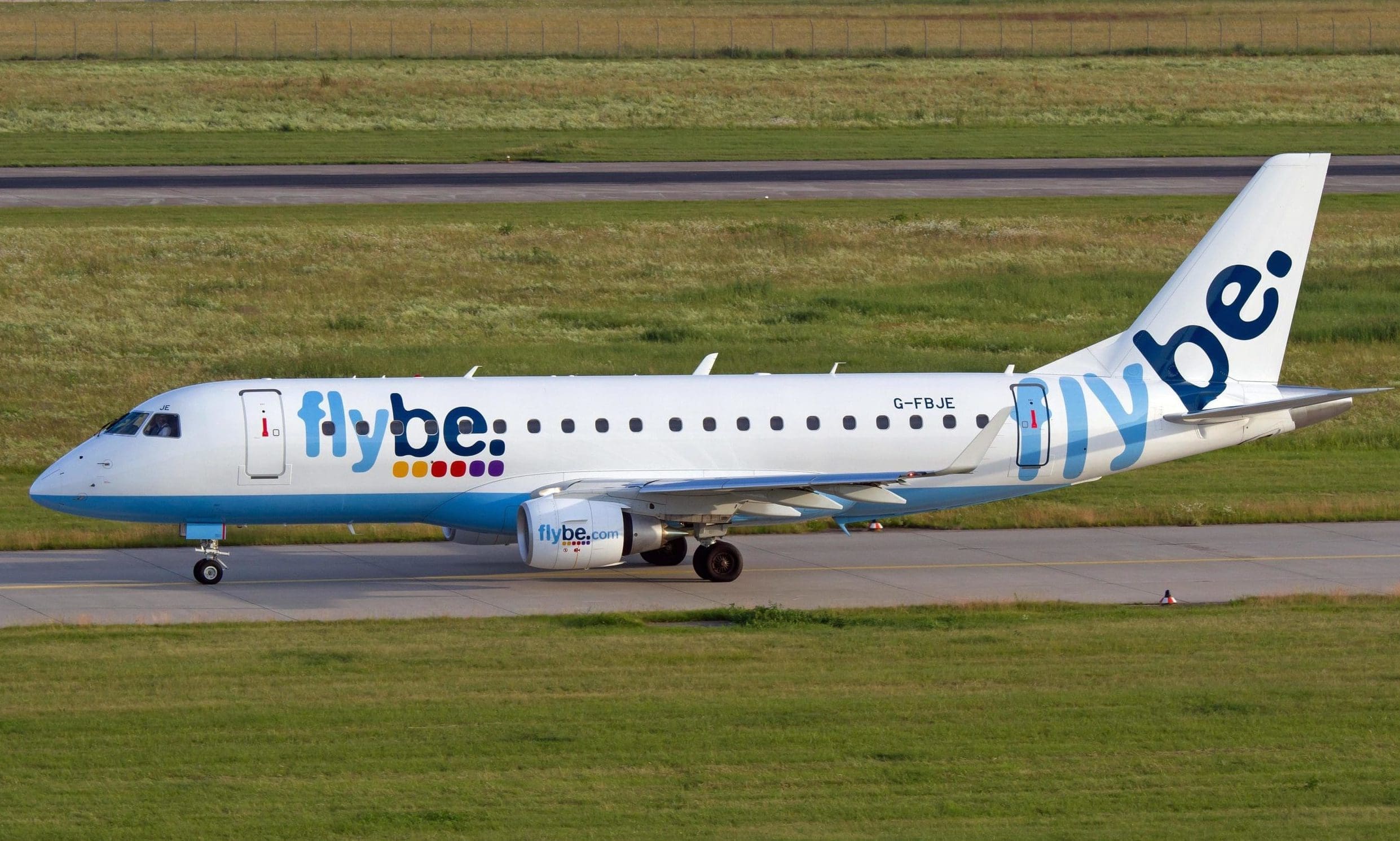
- Airlines around the world are slashing flights due to plummeting demand and travel bans
- The US ban on travel to and from the EU has hurt American airlines badly
- Norwegian Air is laying off half its staff temporarily (it employs 1,200 in the UK)
And one last bite – prices for pain relief medication are climbing fast due to soaring demand in the UK. The producers of these drugs say there are shortages of the raw ingredients used to make the drugs. Pharmacies say aspirin, ibuprofen, paracetamol have seen price spikes of almost a third from their wholesale suppliers.