





Register to get free articles
Want unlimited access? View Plans
Already have an account? Sign in
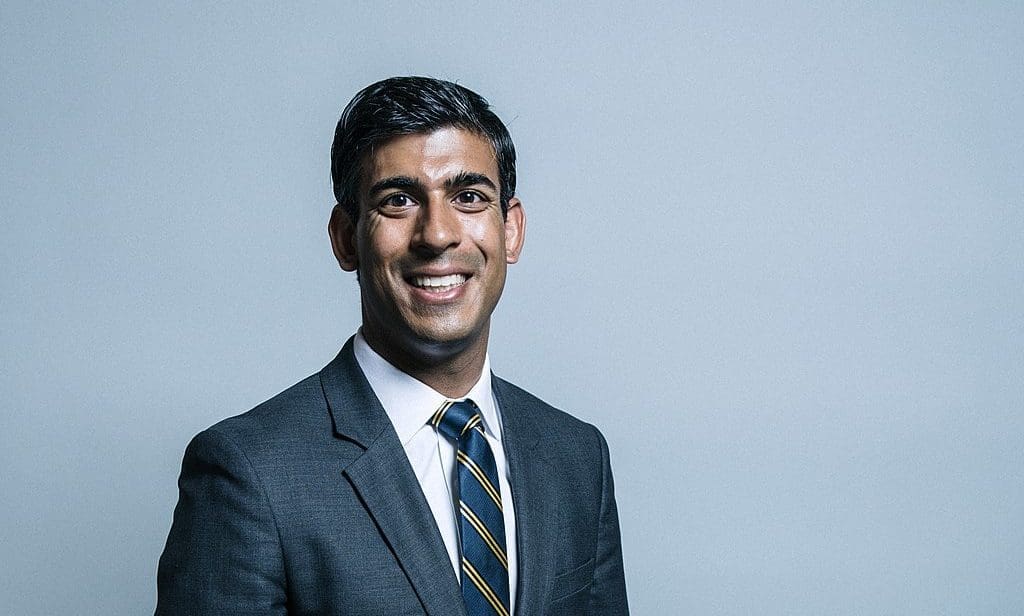
The new chancellor, Rishi Sunak, may scrap entrepreneur’s relief to raise £3bn a year as a means to bring in some extra dosh for the Treasury. Sunak will undoubtedly be looking for ways to raise extra revenue given the government’s infrastructure spending plans as it seeks to make a visible difference to those ‘Red Wall’ constituencies in the Labour heartlands, of which many voted Tory for the first in generations. The tax relief as it currently stands reduces by half the amount of capital gains tax paid by people who exit their businesses via a sale.
The system currently means they will only pay 10% on total gains anywhere up to £10m, whereas normal capital gains tax for other assets stands at 20%. The relief was originally introduced under Gordon Brown, and was designed to provide an incentive for entrepreneurs to launch new businesses, seen as an economic plus, and the policy was continued under David Cameron’s conservatives from 2010 onwards.
The EU thinks the UK needs to tone down “political rhetoric” ahead of the trade talks commencing shortly. There has been some pretty testy briefing going on with both sides, and some of Britain’s most senior politicians have made speeches and comments that take a particularly hard line on issues such as fishing, regulatory alignment and so on, insisting that the UK will be diverging and should be allowed to do so having left the EU.
The prime minister Boris Johnson attempted to secure some leverage very early on, passing a law that said the UK absolutely will not stay in the EU beyond the new 31 December deadline set by the Withdrawal Agreement for the conclusion of trade talks on a new free trade agreement.
The government has already let it be known that if there is not “sufficient progress” by June, then it will walk away from talks and re-open preparations for no deal.
The upcoming talks have a huge gamut of elements to consider, with everything from aviation to fishing, intelligence cooperation to product standards in the mix. Look out for the main bone of contention, which is likely to be who is entitled to resolve disputes (the EU wants to the ECJ to do it), and whether the UK can diverge from European standards (the UK wants to be able to go its own way). It is the second season of one of the tensest dramas in recent political history, and it is likely to heat up fast.
M&S is planning to go bigger with its pilot on self-refill from packaging conscious customers after an initial trial showed some early success. As the world has become orders of magnitude more aware of plastic pollution and its effect on marine life, the retailer’s own research found that a very large majority of its customers said they wanted to cut down on packaging in their weekly shop.
The first trial of a scheme where customers can come back with their own containers to buy food was in the Hedge End outlet in Southampton. It focussed on 44 products less likely to need dedicated packaging, like coffee and sweets, and the offering will now be replicated in a Manchester store. In encouraging early signs of consumer appetite for schemes like it, M&S said that 25 of the first batch of refillable products outsold the traditional individually package portions.