





Register to get free articles
Want unlimited access? View Plans
Already have an account? Sign in
The national town centre vacancy rate rose to 10.2% empty outlets, according to data from the BRC-Springboard Footfall and Vacancies Monitor.
This is an increase on the previous quarter’s 9.9% rise and the highest vacancy rate seen since April 2015.
In the four weeks from 31 March to 27 April, footfall declined by 0.5% during the month compared with 3.3% last year.
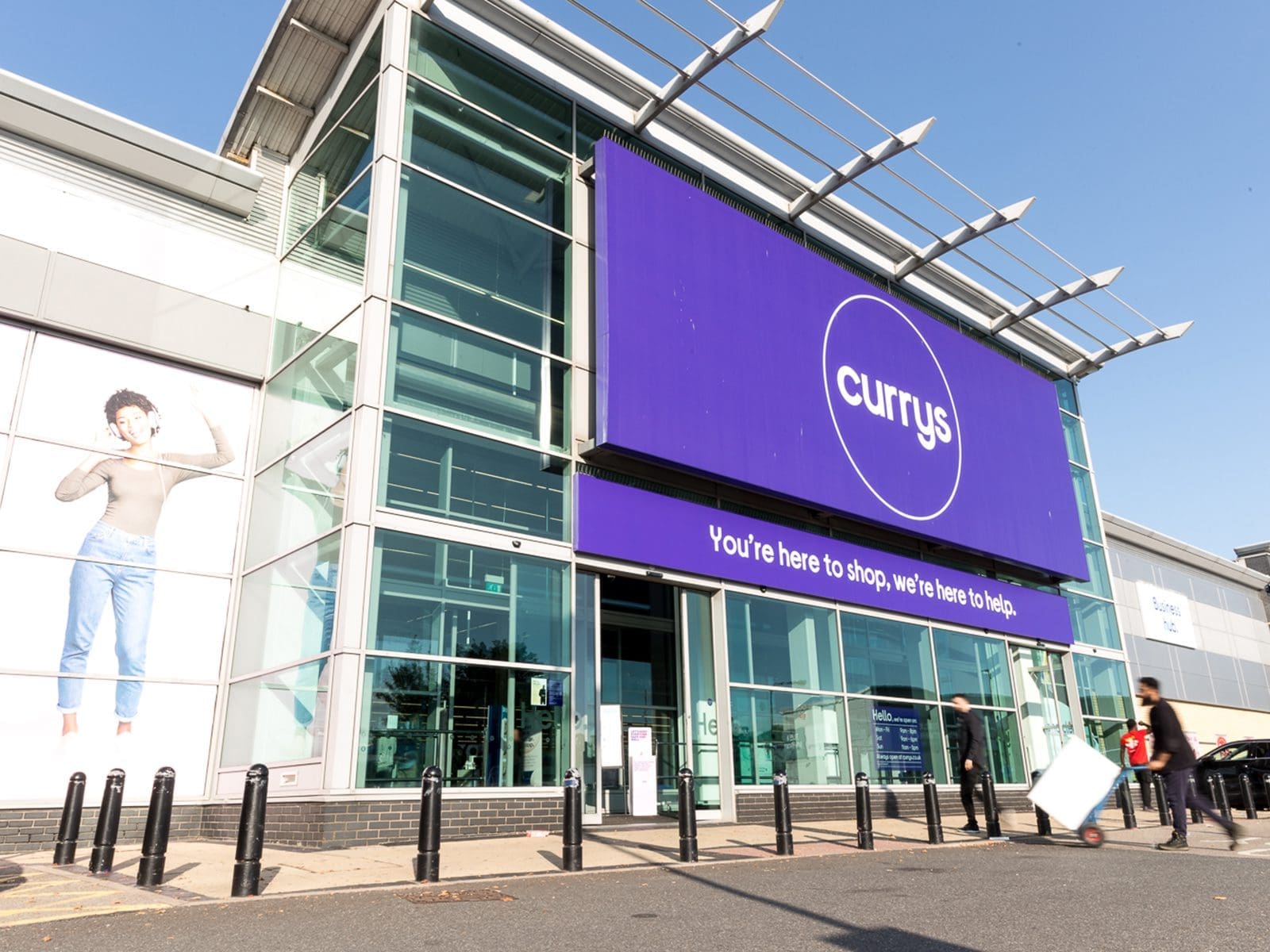
High street footfall declined by 1%, a lesser decline relative to the previous year when it fell by 4%. The three-month average is 0.1%. Retail park footfall increased by 2.2%, in contrast to April 2018 when footfall decreased by 1.8%. The three-month average is 1%. Lastly, shopping centre footfall declined by 2.1%, a slowdown from a year ago when it decreased by 3.1%, and in line with the three-month average.
Helen Dickinson OBE, chief executive of British Retail Consortium, said: “With regular reports of shop closures, it may come as no surprise that town centre vacancy rates rose to their highest level in four years. Empty shopfronts, particularly for larger stores, can deter shoppers from an area, decreasing footfall for all those around.
“This effect can be cyclical, with the long term decline in footfall pushing up vacancy rates, particularly in poorer areas. Furthermore, the cumulative impact of government policy costs – from spiralling business rates to the Apprenticeship Levy and more – have also made physical space less cost effective.”
Diane Wehrle, Springboard marketing and insights director, added: “There is an obvious distortion in the year on year footfall results for April due to the early Easter in March last year. However, the expected bounty as a result of Easter occurring in April this year did not provide enough of a boost to deliver positive figures for the month, with footfall still -0.5% lower than April last year. This demonstrates the continued challenges facing many retailers, also reflected in the 10.2% vacancy rate which has risen in each of the past four quarters and is now the highest it has been for four years.
“On a more positive note, the +2.2% increase in footfall in retail parks in April was the highest since June 2017 and indicates that the British tradition of spending time and money on our homes and gardens during spring endures. Despite weak comparables for high streets and shopping centres in April last year, footfall in both failed to bounce back and their footfall is now at a lower level than in 2017; 5% lower in high streets and 5.6% lower in shopping centres.”
She continued: “However, the superb weather over Easter clearly delivered a boost to coastal towns and historic cities, magnets for domestic and overseas tourists, both of which saw footfall rise in April; by +1.8% in coastal towns and +0.7% in regional cities. In part this will have accounted for the greater than average decline in footfall in Greater London (-1.6%) and the south east (-1.5%); a higher exodus of residents from these regions over Easter is a long established trend, further amplified this year as the hot and sunny weather was forecast well in advance, enabling the necessary forward planning for trips.”