





Register to get free articles
Want unlimited access? View Plans
Already have an account? Sign in
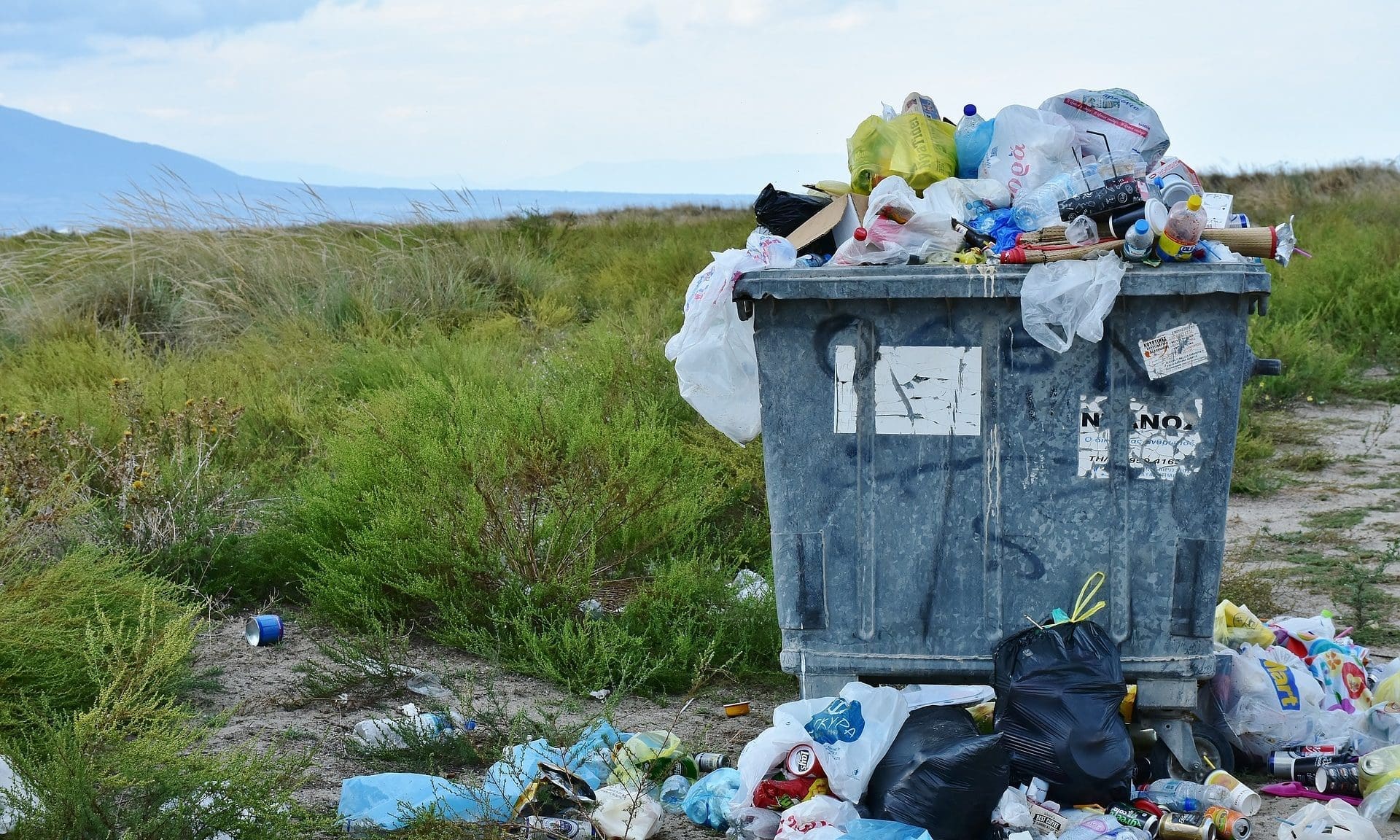
Research has revealed that a staggering 114,000 tonnes of plastic packaging ends up in landfill each year whilst 226,800 miles of wrapping paper are thrown away each year. 2019 must be the year that we reform. The amount of waste produced per household is increasing by 30% each year whilst a staggering £42m of unwanted presents also get thrown each year. Ubamarket research has found that Brits thrown away over £200m of food as a result of over purchasing.
Since then, Poundland has been slammed for producing a ‘Gift of Nothing’ which is placing pointless plastics on our shelves. The gift is for Valentine’s Day and is a heart shaped plastic mould with nothing in it which is accompanied by the headlines “less is more” and “exactly what you asked for.” This move has been branded as “irresponsible” and has since erupted on social media.
Co-founder of anti-plastic group, ‘A Plastic Planet’, Sian Sutherland commented: “How can Poundland possibly think this is OK? This product is designed to go straight into the bin but will last for 500 years. It is a symbol of everything that is wrong with our view of the world. We are treating our beautiful planet like it is disposable when it is all we have.”
Research across a sample of 2003 UK adults to find out how Brits feel about plastic packaging in our supermarkets found:
- 82% – nearly 43 million – of UK shoppers believe the level of plastic packaging on food and drink products needs to be changed drastically.
Despite younger generations being thought of as more environmentally concerned, those aged 55+ were significantly more concerned with plastic use on food and drink products, 90% of them stating the level was totally unnecessary and in need of immediate change. - 57% (29,926,575) think that plastic pollution is the single greatest threat to life and the environment in modern history
Again, the older generations identified with this the most, 63% confirming that plastic pollution was of paramount importance to them - 77% of Brits, representing more than 40 million nationally, think that, no matter how much they recycle, they feel it is the manufactures and supermarkets that are causing the most plastic pollution
- 44% of respondents, representing 22,724,436 nationally, actively purchased products that have less of an impact on the environment, even if they were more expensive
- 36%, or 18.7 million nationally, stated that they won’t purchase from retailers and companies that are known to have poor environmental standards around their packaging
- 42% – 21.7 million nationally – of the British public want to be more environmentally conscious but feel they do not know enough about recycling and plastic pollution to make informed changes
- 41% of respondents, representing 21.6 million nationally, believe that plastic packaging is having an adverse effect on their health
- 65%, or 33.8 million nationally, want to make the switch to more environmentally friendly products but feel that these products are often significantly more expensive
‘Single-use’ was recently announced as Collins Dictionary’s word of the year and corporations and consumers alike have felt the pressure to reduce the plastic waste they produce. Earlier on in 2018, Carlsberg announced its intention to remove plastic packaging from its beers, switching to a biodegradable material for their six pack rings. The year has been filled with concern for the level of plastic waste, this week culminating in David Attenborough delivering a speech claiming the collapse of civilisation and the natural world is on the horizon. Many are looking to supermarkets to reform their plastic practices in 2019, cutting their waste levels dramatically and providing consumers with more environmentally friendly options as they shop.
The research highlights the growing sentiment within British consumers that the amount of plastic we are wasting simply isn’t acceptable anymore. However, that sentiment is accompanied by a certain level of cynicism, that their efforts are somewhat in vain when compared the vast tonnage of plastic waste produced by supermarkets and their suppliers.
Contributed by Ubamarket, a retail technology start-up