






Register to get free articles
Want unlimited access? View Plans
Already have an account? Sign in
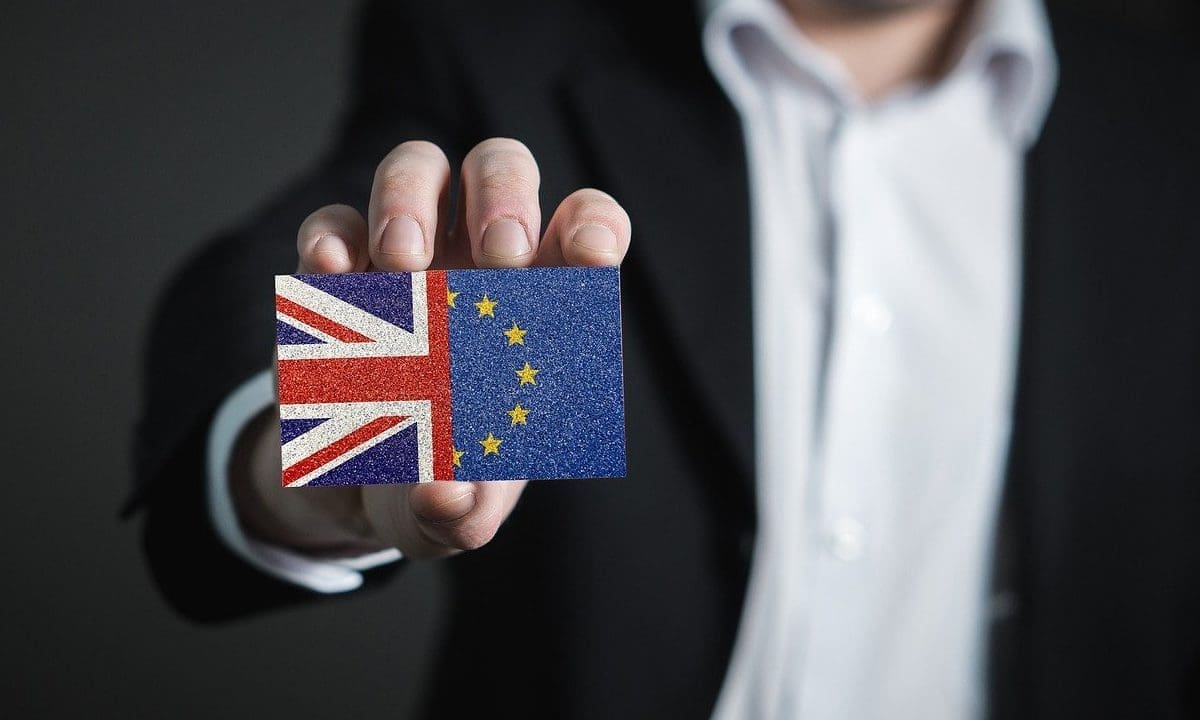
Supermarkets and their customers could face £3bn a year of tariffs on food and drink if a free trade deal is not agreed between the UK and the EU before 1st January 2020, The BRC has warned
In its report the association said an average increase in tariffs of 20% would “leave retailers with nowhere to go,” forcing them to up the price of food in order to “mitigate these new costs.”
Many non-food retailers will also face large tariff bills for products sourced from the EU – the UK’s largest trading partner.
In May, the UK government published its new tariff schedule, which will apply from 1 January 2021 if a deal is not agreed.
Under the schedule, 85% of foods imported from the EU will face tariffs of more than 5%,
including 48% on beef mince, 16% on cucumbers, 10% on lettuce, and 57% on cheddar cheese.
The consortium said it has “long been calling” for a “zero-tariff zero-quota trade deal” between the UK and EU.
It warned that alongside impact from the pandemic on livelihoods across the UK, many households will “ill afford” the higher prices on their “weekly food shop.”
The BRC reported in July that the “highly competitive” nature of the retail industry, it would not be able to “absorb” the increased costs, meaning the consumers would be the ones facing higher prices too.
Andrew Opie, director of food and sustainability at the BRC, said: “There is no time to waste, the UK and EU must hammer out a final arrangement as soon as possible.
“Coronavirus is already making life hard for consumers, particularly those on lower incomes and, and a no deal Brexit will have a massive impact on their ability to afford essential goods.
“UK consumers have benefitted from great value, quality, and choice of food thanks to our ability to trade tariff free with the EU. Unless we negotiate a zero-tariff deal with the EU, the public will face higher prices for their weekly shop. This would prevent harm to shoppers, retailers and the wider economy.”