




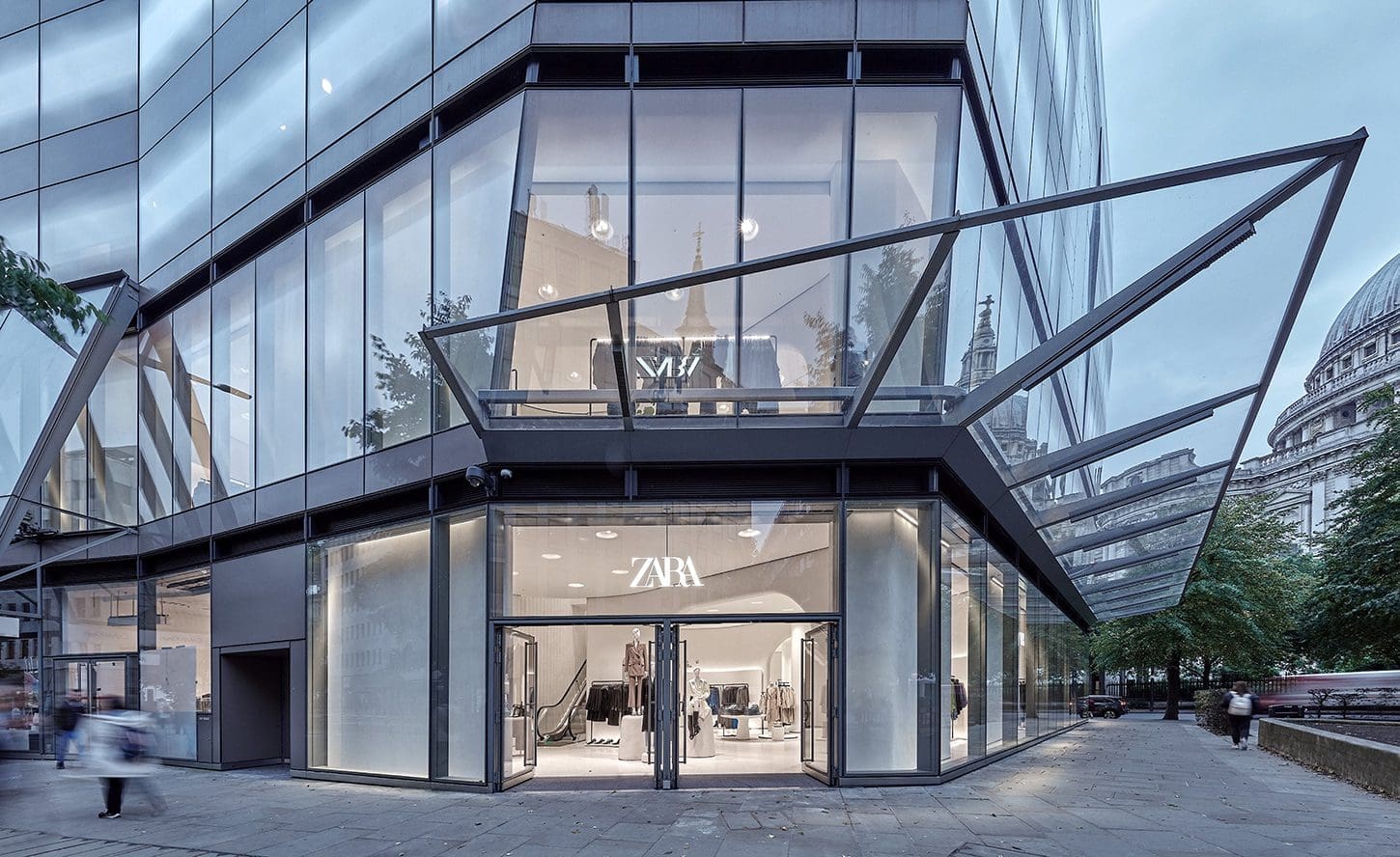
Spaces must be enduring, efficient, and in line with the evolving expectations of consumers. As shoppers continue to seek out immersive in-store experiences, the material components of a retail environment are playing an increasingly important role. From sustainable solutions to high-tech materials, innovative new materials are defining how brands differentiate and how spaces perform.
Sustainability Drives Demand
Sustainable stores are no longer a trend—they’re already becoming the norm. Shoppers are looking for a commitment to sustainability, not just in product selection but in the types of materials that brands use in their stores. The use of recycled composites, sustainable wood, and low-carbon concrete is on the rise as retailers work to address their environmental impact. Finding materials that are sustainable as well as durable is key to making sure new stores are built to last. In addition, sustainable materials are becoming increasingly necessary to ensure compliance with strict governmental regulations over carbon output and other environmentally related issues.
The Role of Advanced Materials in Retail Design
Retail architecture is increasingly drawing on innovations once reserved for high-tech industries. Lightweight yet durable materials, such as advanced polymers and engineered metals, enable architects to create flexible layouts that support rapid store refreshes or seasonal rebranding. This flexibility is particularly valuable as retailers seek to balance in-store experience with cost efficiency. Materials designed for strength and adaptability ensure that fixtures and structures remain both functional and visually appealing in high-traffic environments.
Precision-Engineered Solutions for Functionality and Style
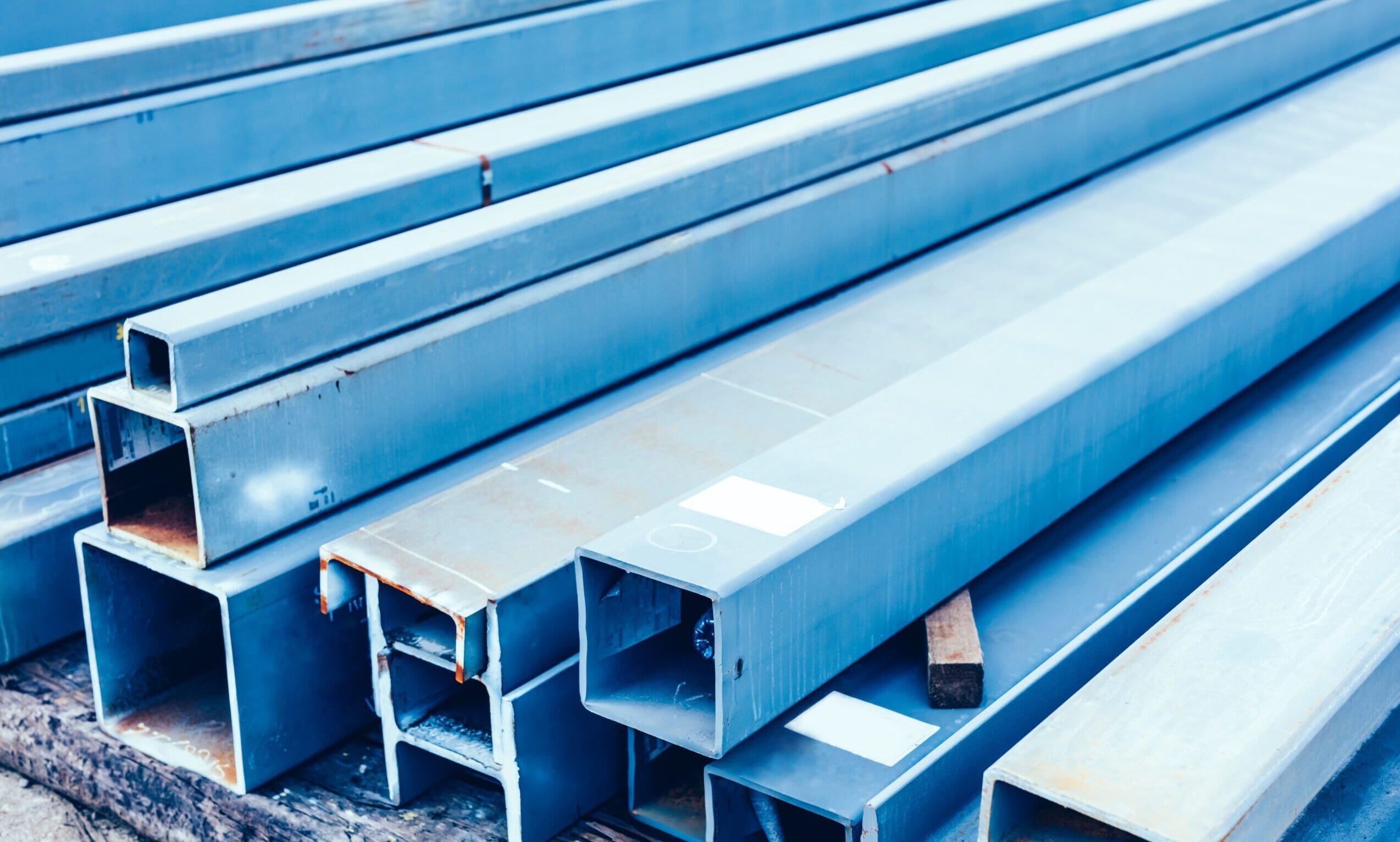
Alongside broader sustainability and design trends, there is growing interest in tailored solutions that address specific retail needs. For instance, custom steel profiles provide architects and contractors with the ability to design fixtures, display systems, or structural elements that combine strength with precision. Such solutions allow for highly efficient use of space while maintaining a sleek aesthetic that reflects a brand’s identity. By integrating precision-engineered components, retailers can optimise durability and performance without compromising on design ambition.
Looking Ahead
As retail continues to evolve, the materials used in store construction and design will play an increasingly strategic role. The focus will be on balancing sustainability, durability, and customer experience, ensuring spaces meet the dual demands of brand storytelling and operational efficiency. Whether through eco-conscious composites or engineered steel profiles, material innovation is shaping the future of retail spaces—turning stores into environments that are both practical and inspiring.