





Register to get free articles
Want unlimited access? View Plans
Already have an account? Sign in
Shop price annual inflation eased to 2.5% in February, down from 2.9% in January, new figures from the BRC have revealed.
The analysis shows that February’s figures are below the three-month average rate of 3.3% and that shop price annual growth is its lowest since March 2022.
Non-food inflation was unchanged at 1.3% in February, which is below the three-month average rate of 2.0%. Inflation is its lowest since January 2022.
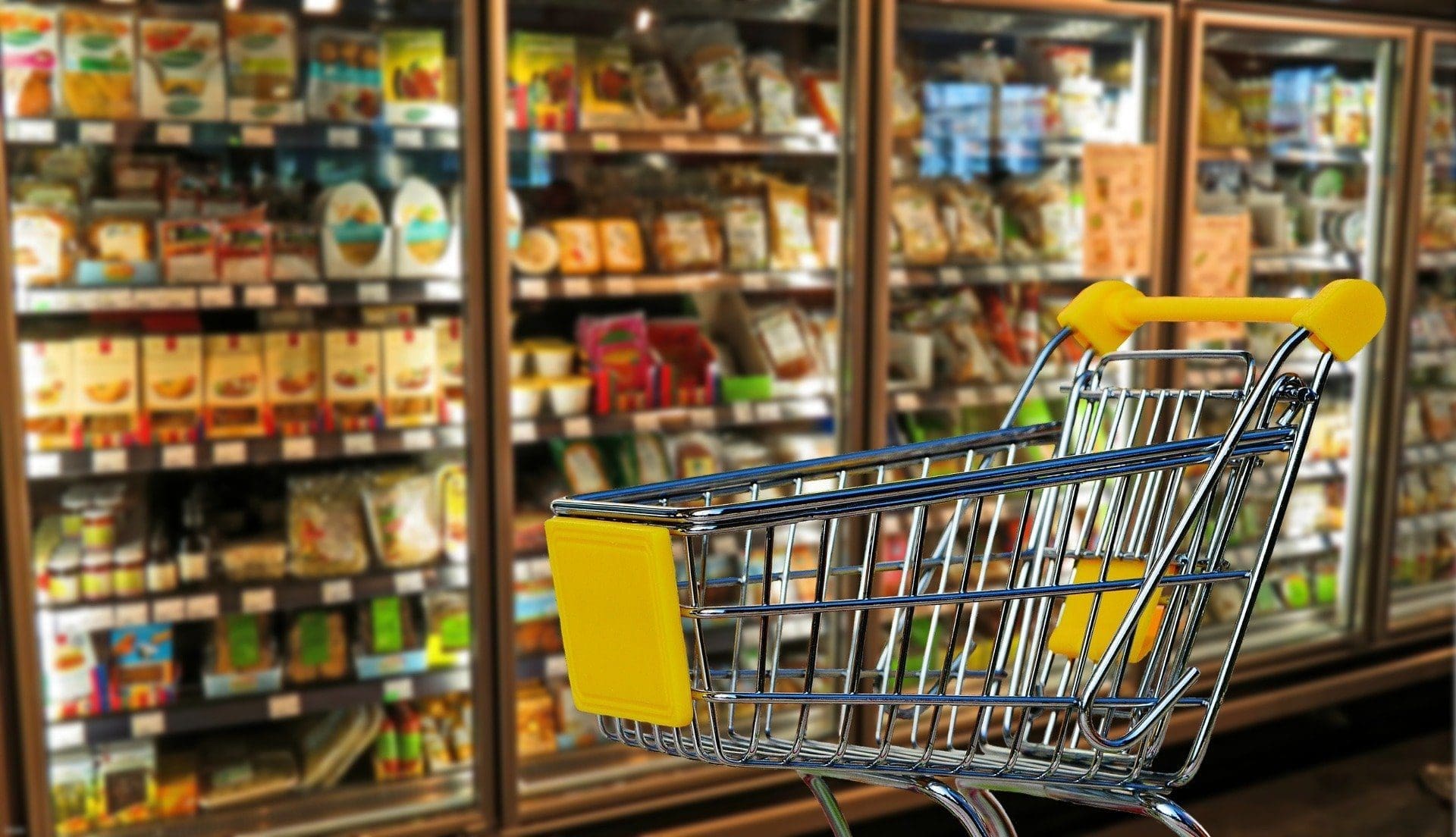
Food inflation decelerated to 5% in February, down from 6.1% in January. This is below the 3-month average rate of 6% and is the tenth consecutive deceleration in the food category. This is its lowest since May 2022.
Fresh food inflation slowed further in February, to 3.4%, down from 4.9% in January, which is below the three-month average rate of 4.6%.
Helen Dickinson, chief executive of the BRC, said: “There was good news for consumers as shop price inflation fell to its lowest rate in nearly two years. Food prices fell month-on-month with drops in fresh food including meat, fish and fruit.
“This was driven by easing input costs for energy and fertiliser while retailers competed fiercely to keep prices down. In non-food, inflation for furniture, electricals, and health and beauty products rose, but the price of clothing continued to fall as many retailers kept promotions in place to entice consumer spending.”
She added: “Domestically, retailers face a major rise in their business rates bills in April, determined by last September’s sky-high inflation rate. April’s rate rise should be based on April’s inflation, and the Chancellor should use the Spring Budget to make this correction, supporting business investment and helping to drive down prices for consumers.”
Mike Watkins, head of retailer and business insight, NielsenIQ, said: “Shop price inflation has slowed and the underlying trend in prices will be downwards over the next few months.
“Since the start of the year, food retailers in particular have reduced prices as well as passing on price cuts coming through supply chains. For high street retailers faced with weaker demand, keeping prices stable over the next few months will be key to encourage customers to spend.”