







Register to get free articles
Want unlimited access? View Plans
Already have an account? Sign in
Earlier this month, Next experienced supply chain delays on the Red Sea, citing “difficulties with access to the Suez Canal”. The retailer, along with other big-brand names on the high street like Poundland, fear that it may be one of the main risk factors for the year ahead, alongside the weakening employment market and higher mortgage rates.
What has come to be known as the Red Sea crisis is understood to have started when a Yemen-based Houthi rebel group aligned itself in support of Hamas to target ships they believe are heading towards Israel in an effort to retaliate against the state.
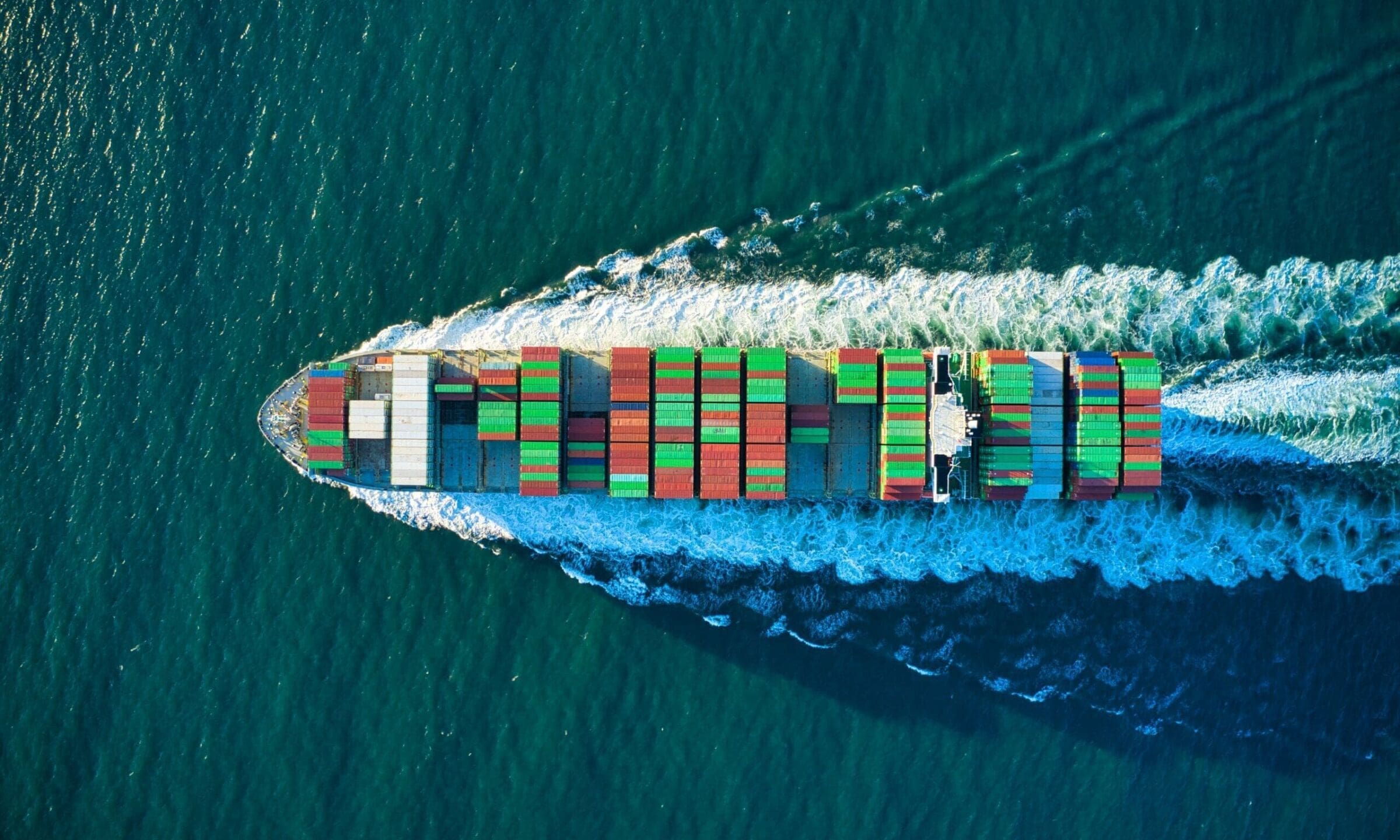
As a result, freight companies have had to reroute away from the Red Sea and the Suez Canal altogether. Some are taking a longer route around the Cape of Good Hope in Africa. The diversion means that retailers and suppliers are having to accommodate shipping costs that can be anywhere between 20% to 400% higher than the shorter Suez Canal route.
What’s more, the diversion will extend delivery times, as travelling around the African continent will add roughly 4,000 nautical miles to each trip that would’ve gone through the Suez Canal. This is equivalent to 10 to 14 days of travel added to the journey, which could also result in surcharges being applied to logistics costs.
Roy Bridgland, senior industry strategies director at Blue Yonder, says: “Though the Red Sea crisis has been going on since last year, the impact is likely to be much more acutely felt in the coming weeks and months. Several companies have already advised customers of supply chain delays impacting orders and reducing stock availability.”
According to Bridgland, many vessels have been drifting at sea without using fuel as they await further instruction, but he believes that is not something that can be continued indefinitely. He explains this is why most have resolved to take the longer route around the Cape of Good Hope.
Bridgland continues: “For retailers, this can impact what promotions they put in place and where they disseminate goods regionally once they arrive on-shore. For fashion retailers, for example, whole seasons’ worth of sales could be lost.”
While the situation is manageable for now, Bridgland stresses it cannot afford to continue indefinitely, adding: “If it does, this is likely to have much more serious consequences on the global supply chain we all rely on so heavily, and also accelerate any plans businesses may have to introduce more nearshoring for future goods.”