






Register to get free articles
Want unlimited access? View Plans
Already have an account? Sign in
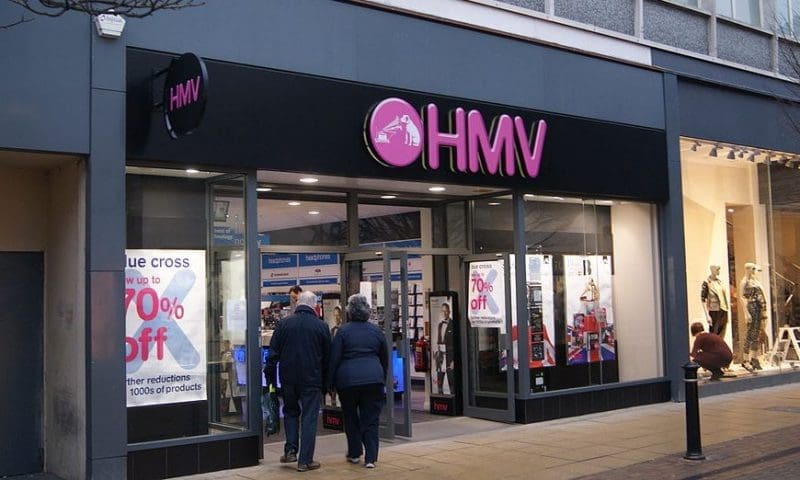
Beleaguered music and film retailer, HMV, who officially fell into administration during the festive period, was denied a £3.35m government tax cut before it entered administration new figures have revealed.
HMV blamed a “tsunami” of retail challenges, including business rate levels, saying it paid £15m on sales of £277m meaning £1 in every £18.5 going through the tills went on property taxes.
Real estate adviser Altus Group said HMV should have been a big ‘winner’ under the 2017 business rates revaluation seeing the rateable values on 87 of its stores in England used to calculate business rates liabilities fall by almost a fifth down 19.4%.
However, in order to help pay for caps and limits on how quickly bills could rise for those firms facing increases, strict limits were imposed by the government on tax reductions.
Premises with rateable values over £100,000, which saw their property values plummet in struggling areas, were restricted to tax reductions in business rates bills of just 4.1% before the effects of 2% inflation in 2017/18 and for 2018/19 were limited to just 4.6% before the effects of 3% inflation. Restrictions were also imposed on reductions for small and medium sized premises too.
Analysis of official government data by Altus Group revealed through the policy of Transitional Relief, which only applies to tax bills in England, HMV were “denied” tax reductions of £1,883,198 for 2017/18 and £1,465,837 for the current financial year totalling £3,349,035.
Transitional relief limits how much a firm’s tax bill can change each year as a result of revaluation, meaning changes to bills can only be phased in gradually.
The Stockport branch of HMV saw its rateable value fall by 53.44% from £305,000 to £142,000. But, under the system of limiting business rates reductions, its bill only fell marginally by £5,340 in 2017/18 to £146,245 and £7,850 during 2018/19 to £143,735.
Robert Hayton, head of business rates at Altus Group, said places where respite was “badly needed” weren’t getting the fair deal needed to respond to changing markets leaving even more stores vulnerable to closure.
Hayton said: “Where local economies are struggling and rental values fall significantly, businesses must benefit from the full tax reduction immediately at a revaluation or you are left with the absurd position of certain premises having to pay a tax rate of over 100% of a properties estimated rental value.
“Caps on large increases are an important part of rating and act as a shock absorber but could be paid for by a small supplement. It would be like an insurance premium against a steep future increase in liability.”