





Register to get free articles
Want unlimited access? View Plans
Already have an account? Sign in
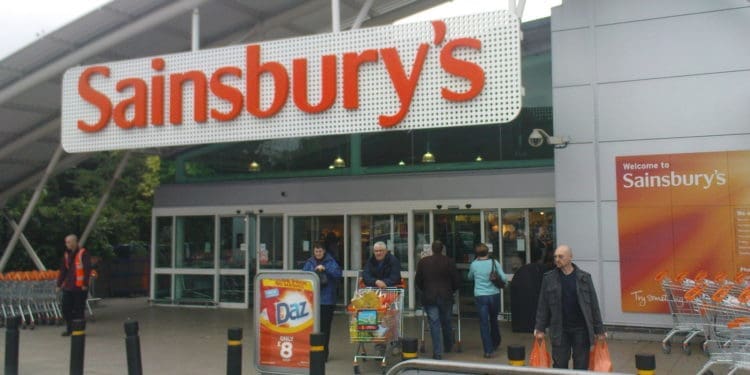
Industry responses to a Competition and Markets Authority (CMA) consultation on the proposed Asda-Sainsbury’s merger have revealed concerns about higher prices and reduced choice for customers.
A number of submissions concerned the impact of the proposed merger at a national level, with fears it would lead to increased concentration in the market and fewer national players. Several other respondents raised concerns in relation to the supply of online groceries, saying there would be limited alternatives particularly in some regions.
Experts have also previously suggested the supermarket giants may have to close at least 75 stores in order to push the merger through. Concerns were raised about the effect that store closures could have on the communities they serve, such as an increased difficulty for vulnerable members of society to do their shopping.
The CMA received submissions from a wide variety of parties, including supermarket groups, wholesalers, suppliers, trade associations, not-for-profit organisations with an interest in the groceries sector, local government representatives and members of the public.
When the group originally launched the invitation the purpose was to see if the merger would “result in a substantial lessening of competition within any market or markets in the United Kingdom for goods or services”.
The CMA said: “When investigating a merger, the CMA’s mandate, by law, relates to assessing the potential impact of that merger on competition. This assessment is critical in ensuring that consumers are able to benefit from the lower prices, better service, or greater choice that effective competition is able to bring about.”
In response, Sainsbury’s told Hotel Owner: “We are working closely with the CMA and look forward to making our case when the formal review begins. The combined business would aim to reduce prices on everyday items by around 10%, lowering the cost of living for millions of UK households.”