




Register to get free articles
Want unlimited access? View Plans
Already have an account? Sign in
After a period of “accelerated growth”, UK supermarket sales have begun to stabilise, but Brits now shop for groceries online more frequently, according to the latest data from Nielsen.
FMCG sales growth at supermarkets has continued to plateau to +5.3% over the last four weeks ending 5 September. However, the data shows that online FMCG sales growth has continued to soar at +102%, with 10% more online shopping “trips” over the last 12 weeks, despite the easing of lockdown restrictions in June.
Although bricks and mortar sales fell by 1.6%, sales across the convenience channels increased by 6.4%. Overall, spend per visit across all formats – including online – was up by +22% compared to the same time last year.
Beers, wines and spirits (+15%) and frozen food (+11%) continued to be the strongest categories. The data also shows the impact of the summer season, affecting champagne (+24%), sparkling wines (+17%), sales of fresh meat, fish and poultry (+7%) and ice cream (+18%).
However, the data also revealed the impact of home-working and lack of holidays. Delicatessen and bakery sales remained in decline (-4%), spend on packaged, shelf-stable grocery products slowed to +7% and health and beauty sales declined by 3%.
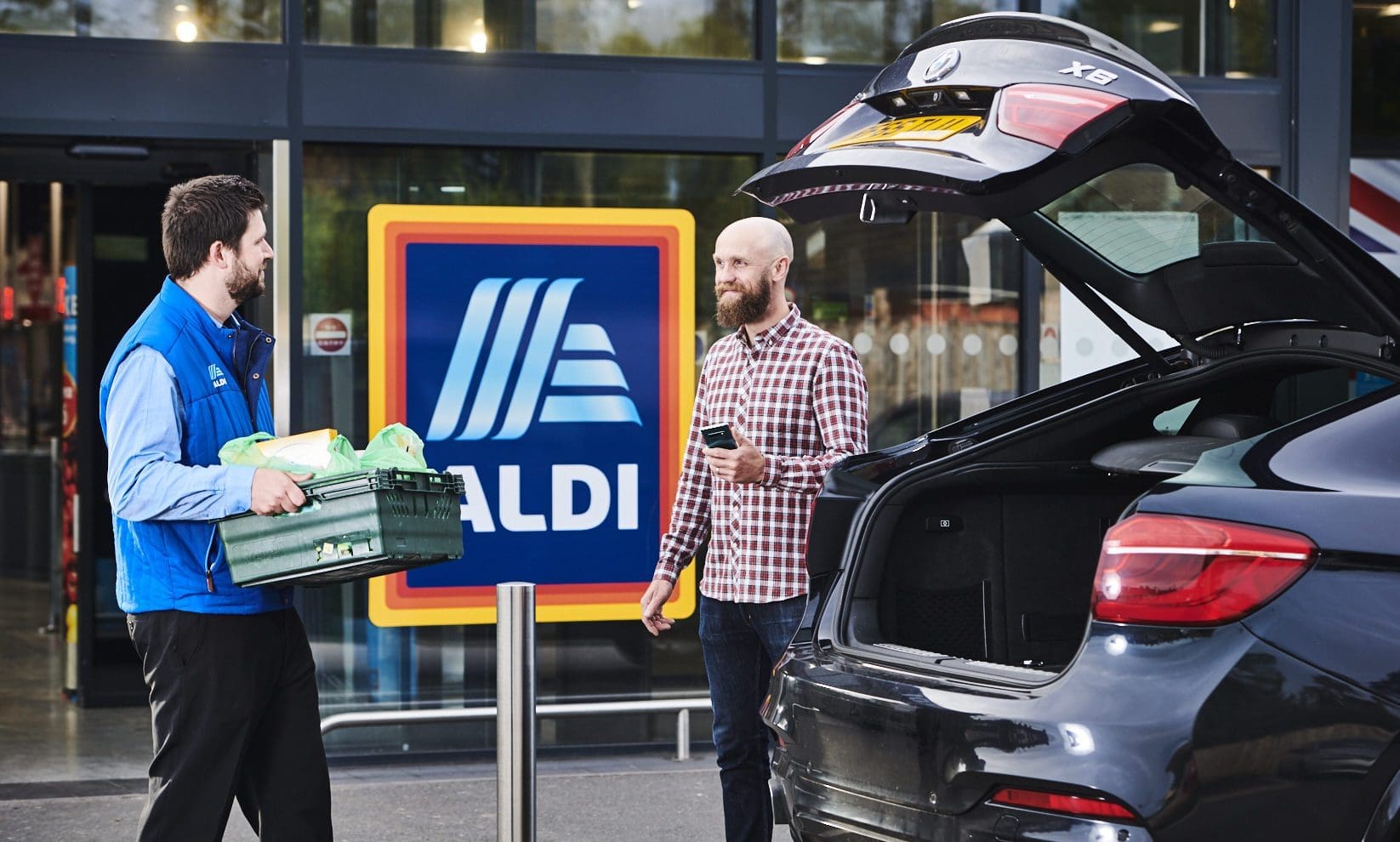
In terms of retailer performance, Iceland (+16.3%) remained the fastest growing retailer, ahead of Morrisons (+10.4%) and Aldi (+8.7%).
Mike Watkins, Nielsen’s UK head of retailer and business insight, said: “Food retail sales are still being boosted by households working from home, and such disruptions are expected to continue for the foreseeable future.
“However, with more Covid-19 headwinds set to come and a fragile economy, a weakened shopper sentiment will likely start to impact consumer spend overall.Many retailers are re-positioning their strategies, launching new ad campaigns and focussing on price cuts.”
He added: “However, we anticipate that the supermarket industry will remain more resilient than other types of consumer spending and expect a +6% sales growth for FMCG in the last few months of the year, compared to the flat growths seen at the end of 2019.”