





Register to get free articles
Want unlimited access? View Plans
Already have an account? Sign in
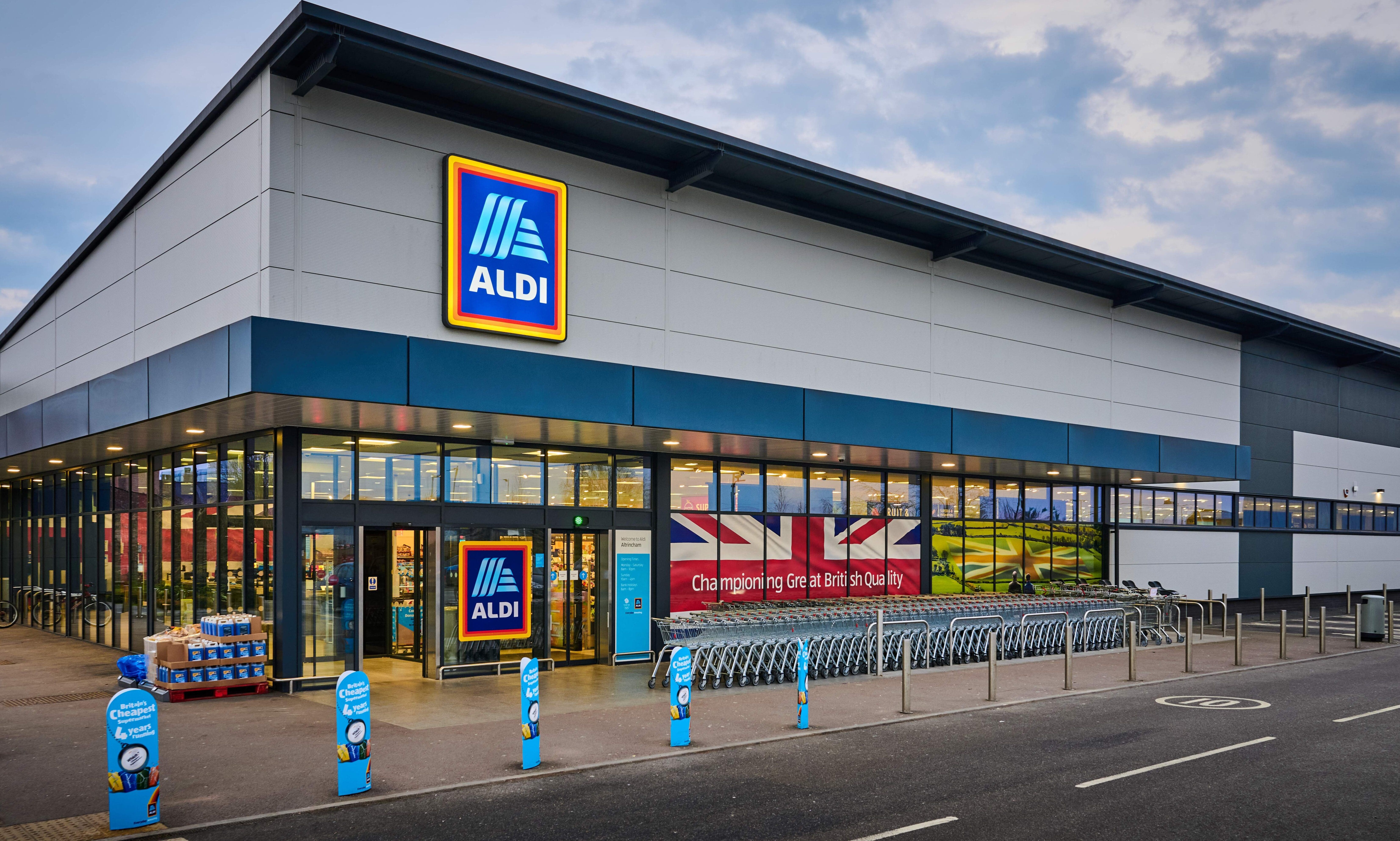
The UK chief executive of Aldi has warned that the timing of the government’s late November budget could dampen consumer spending in the run-up to Christmas.
Speaking to The Guardian, Giles Hurley said uncertainty around the measures chancellor Rachel Reeves will announce to address the fiscal gap in public finances risked weighing on households’ festive spending decisions.
He said: “There is no doubt the budget does create a bit of uncertainty. If you ask customers across the length and breadth of the country they would say that inflationary pressures are persistent. Inflationary challenges are just tremendously challenging.
“[For consumers, grocery inflation] comes on top of bills elsewhere going up. Household groceries have become a bigger proportion of household income, without question.”
Hurley added that the April rise in employer national insurance contributions and the extended producer responsibility for packaging had “rippled through to prices on the shelf edge”.
While he acknowledged that the 26 November statement could cause uncertainty in the market, he noted that “when it comes to groceries and Christmas, British consumers always find a way to celebrate”.
Hurley said: “We expect that trend to continue this Christmas. Shoppers are prioritising value. There definitely is a trend we are seeing with customers treating themselves at home rather than going out.”
Nonetheless, Hurley cautioned that additional measures in the budget risked pushing up food prices, and called on the government to “consider very carefully any measures that might inadvertently add to operating costs as there is a risk they could find their way into the food sector”.
It comes as Aldi this week reported that full-year sales rose to £18.1bn, up from £17.9bn the previous year, whilst announcing a £1.6bn investment plan to accelerate store openings across the UK over the next two years.
In its latest results, Aldi’s sales have grown a further 4.8%, giving it a market share of 10.8%.
Operating profit fell to £435.5m down from £552.9m the prior year, reflecting lower margins of 2.4% as the retailer said it continued to cut prices, invest in infrastructure and raise staff pay.