







Register to get free articles
Want unlimited access? View Plans
Already have an account? Sign in
More than 30 retailers have signed up to Wrap’s Textiles 2030 initiative to reduce the carbon impact of the textiles they produce.
Textiles 2030 was launched last year by climate action NGO Wrap, which stands for Waste & Resources Action Programme, in an effort to accelerate the UK fashion industry towards a circular economy.
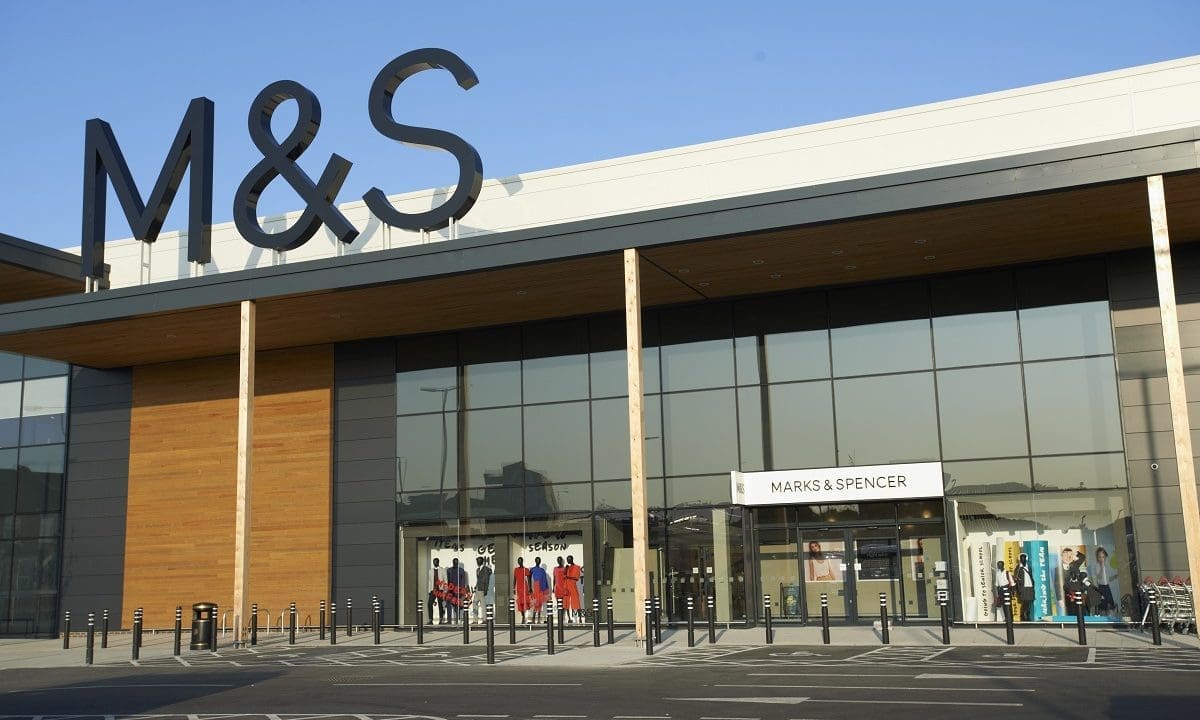
The recent progress report for the second year of the initiative has now revealed that many big brands including Primark, M&S, Boohoo and Next are working together to reduce carbon emissions, improve water stewardship and make the clothing and textiles sector more circular.
All the retailers have pledged to slash the environmental impacts of their products. The report showed that the use of recycled polyester and polyamide is rising year-on-year, helping to reduce the amount of products made of virgin materials, and nearly three quarters of cotton (71%) used by signatories now comes from improved sources, mainly through the Better Cotton Initiative (BCI) and Cotton Connect’s REEL Cotton Programme.
Wrap wants businesses to design clothes for a longer life, with good durability and recyclability and that include more recycled content.
In addition, the NGO also reports changes helping to increase the collection and resale of preloved items. A greater number of take-back schemes are operating in partnership with brands and retailers in the UK, doubling the volumes of used textiles collected and sold for reuse or recycling between 2019 and 2022, now totalling 39,000 tonnes.
Despite the retailers’ sustainability efforts, Wrap warned that in the last year there has been a 13% increase in the volumes of textiles produced and sold which risks cancelling out the positive steps achieved.
Catherine David, director of behaviour change and business programmes at WRAP, said: “Textiles and fashion are responsible for up to 10% of global carbon emissions. We can see from the impact of Textiles 2030 that it’s possible to change this. But as fast as positive improvements happen, they’re cancelled out by rising production. If we hope to get anywhere near achieving the critical goals of the Paris Agreement, we must get serious about textiles and everyone has a role to play.
“We need sustainable design, sustainable business models, and more sustainable ways of buying and using clothes from more businesses. But production is clearly the key issue, and the onus is on businesses to make preloved part of their portfolio, so it’s accessible, easy and fun. Through Textiles 2030, many brands and retailers are already taking action, but there is a long way to go, and many more businesses who need to join us on this journey.”