






Register to get free articles
Want unlimited access? View Plans
Already have an account? Sign in
Shop price annual inflation increased to a record high of 8.0% in January up from 7.3% in December, according to data from BRC NielsenIQ shop price index.
This figure of 8% is above the three month rolling rate of 7.5%.
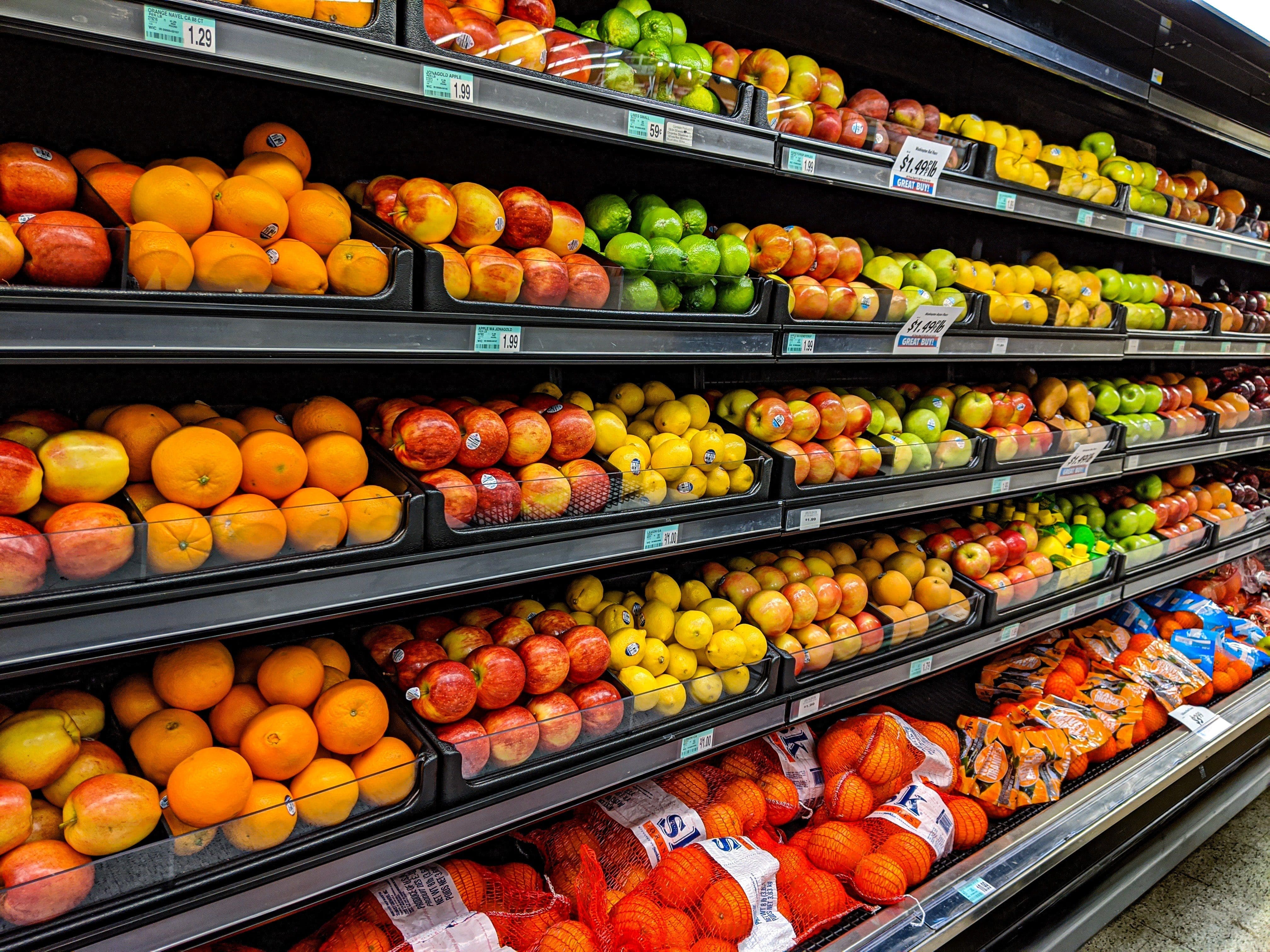
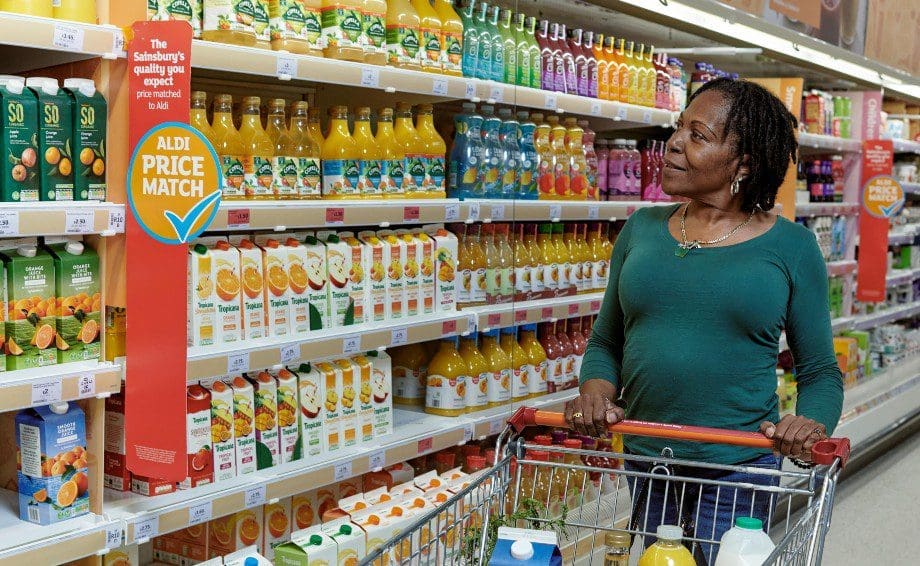
Food inflation accelerated to 13.8% in January, up from 13.3% in December – this is also above the three-month average rate of 13.2%, the highest rate of inflation in the food category on record.
Meanwhile, non-food inflation accelerated to 5.1% in January, up from 4.4% in December, in line with the three-month average rate of 4.7%.
Alongside this, fresh food inflation accelerated in January to 15.7%, up from 15.0% in December. This is the highest inflation rate in the fresh food category on record.
Helen Dickinson OBE, CEO of the BRC, said: “Retail prices rose in January as discounting slowed and retailers continued to face high input costs. Ambient food inflation accelerated the most as wholesale and bulk prices grew, particularly for sugar and alcohol. Fresh food prices also remained high due to increased food production costs as well as elevated wholesale fruit and vegetable prices.”
“Meanwhile, clothing and footwear prices eased, so customers were able to replenish their wardrobes with some bargains during the January sales.With global food costs coming down from their 2022 high and the cost of oil falling, we expect to see some inflationary pressures easing.”
Mike Watkins, head of Retailer and Business Insight, NielsenIQ, added: “Consumer demand is likely to be weak in Q1 due to the impact of energy price increases and for many, Christmas spending bills starting to arrive. So the increase in food inflation is going to put further pressure on household budgets and it’s unlikely that there will be any improvement in the consumer mind-set around personal finances in the near term.
“With shoppers having less money to spend on discretionary retail having paid for their essential groceries, there will be little to stimulate demand across the non-food channels.”