Popular now
Jigsaw to expand store portfolio amid 26% jump in Xmas sales

Jigsaw to expand store portfolio amid 26% jump in Xmas sales

Amazon expands Iceland grocery delivery to four new UK cities

Amazon expands Iceland grocery delivery to four new UK cities

Kering swings to loss as Gucci revenue drops 22%

Kering swings to loss as Gucci revenue drops 22%

Food inflation hits record high of 13.3%

Food inflation hits record high of 13.3%

In this episode we speak to Matt Dalton, consumer sector leader at Forvis Mazars. Matt discussed the biggest challenges facing the retail sector, from cost pressures and wage increases to polarised property markets and geopolitical shocks, and the ways in which retailers can best navigate these. We also explore how short-term cost-cutting could undermine long-term resilience, and how retailers can best remain agile and adaptable in unforecastable times.

Register to get 2 free articles

Reveal the article below by registering for our email newsletter.

No spam Unsubscribe anytime

Want unlimited access? View Plans

Already have an account? Sign in

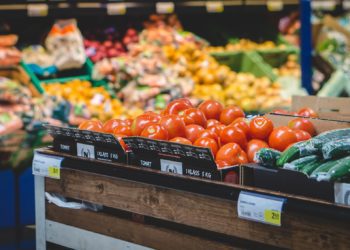
ood inflation accelerated to the highest inflation rate in the category on record, after jumping to 13.3% in December, up from 12.4% in November and above the three-month average rate of 12.5%, according to the latest figures from BRC and Nielsen.

Fresh Food inflation accelerated in December to 15.0%, up from 14.3% in November, above the 3-month average rate of 14.2%. This is also the highest inflation rate in the fresh food category on record.

Ambient Food inflation accelerated to 11.0% in December, up from 10.0% in November. The rise represents the fastest rate of increase in the ambient food category on record.

Shop Price annual inflation decelerated to 7.3% in December, down from 7.4% in November, however it remains above the three-month average rate of 7.1%. Non-Food inflation decelerated to 4.4% in December, down from 4.8% in November, This is above the three-month average rate of 4.4%.

Inflation remains near record highs for both categories.

Helen Dickinson, chief executive of the British Retail Consortium, said: “It was a challenging Christmas for many households across the UK. Not only did the cold snap force people to spend more on their energy bills, but the prices of many essential foods also rose as reverberations from the war in Ukraine continued to keep the cost of animal feed, fertiliser and energy.

“Non-food price rises eased as some retailers used discounting to shed excess stock built up during the disruptions to supply chains, meaning some customers were able to bag bargain gifts. The combined impact was that price increases overall plateaued, with the reduction in non-food inflation offsetting the higher food prices.”

Mike Watkins, head of retailer and business insight, NielsenIQ, added: “Consumer demand is likely to be weak in Q1 due to the impact of energy price increases and for many, Christmas spending bills starting to arrive. So the increase in food inflation is going to put further pressure on household budgets and it’s unlikely that there will be any improvement in the consumer mind-set around personal finances in the near term.

“With shoppers having less money to spend on discretionary retail having paid for their essential groceries, there will be little to stimulate demand across the non-food channels.”

Previous Post
Victoria’s Secret acquires Adore Me

Victoria’s Secret acquires Adore Me

Next Post
Matalan lenders close in on takeover deal

Matalan lenders close in on takeover deal

Secret Link