

Register to get free articles
Want unlimited access? View Plans
Already have an account? Sign in
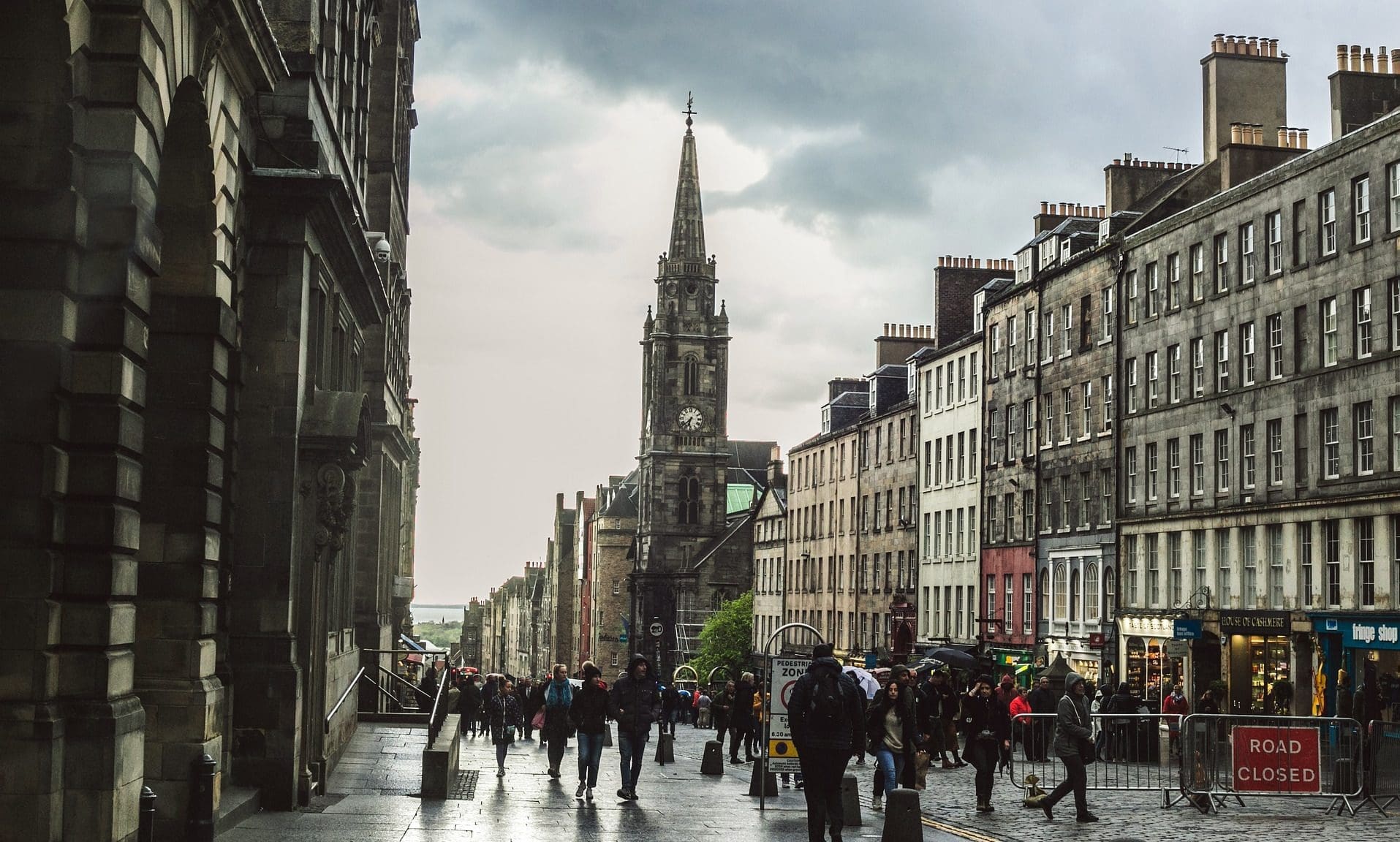
UK high streets have been on the decline for many years now, having lost 83% of all department stores nationwide in the past five years alone. Unsurprisingly, the departure of these businesses has left gaps in trade within high streets.
It was reported that 50 shops a day closed their doors in 2021, according to the Local Data Company on behalf of accountancy firm, PwC. The trend of shop closures and dwindling footfall numbers have affected many communities, but few have come up with a solution to reinvigorate their high streets, and with so many spaces left empty, high streets will continue to look unappealing to prospective consumers.
This is where Selfridges comes in; the Financial Times recently reported that Central Group Europe, Selfridge’s operating company, is entertaining the idea of targeting regional cities in the UK for the first time in 20 years.
As a luxury department store, Selfridges currently only operates from Oxford Street in London, one store in Birmingham and two in Manchester.
In spite of strong financials and brand recognition among its loyal customers, the group anticipates a period of difficult trading due to the absence of affluent tourists, while energy costs are expected to put pressures on its customer base at home. This has seemingly not dissuaded it from possible expansion into empty units.
High-end department stores have traditionally traded from a small number of sites in premium cities to reflect the narrow customer base for their expensive stock and the high operating costs of large stores. However, the closure of many mainstream department stores and the creation of these gaps within high streets in some large cities have made Selfridges wonder if they could captivate that market.
Stefano Della Valle, chief executive of Central Group Europe, reaffirmed these suspicions of the plans set out for the future of Selfridges to the Financial Times, saying, “our strategy is not to stay only in capital cities with stores of 20, 30 or 50,000 square metres, but also to be present in second-tier cities or even small cities like St Gallen in Switzerland”.
St Gallen, though not a capital by any stretch of the imagination, is considered a fashionable destination; it’s not only picturesque and idyllic, but it boasts a lucrative embroidery industry history and a long list of family-run ateliers. Given its links to style and glitz, it makes Selfridges’ position within that area understandable, but if the brand plans to replicate this within the UK, it would seem likely that they would choose areas that are thought to be regional, but glamorous.
Della Valle added: “We don’t have any plans as of today for new stores in the UK, but we are always alive to opportunities, like we were in Germany. We think we are the only viable solution for luxury brands in terms of distribution, so we are interested in being present not only in capital cities but in regional cities.”