




Register to get free articles
Want unlimited access? View Plans
Already have an account? Sign in
Despite the cost-of-living crisis having a firm grip on consumers, it seems that luxury brands are finding ways to retain and attract young customers through refreshing their campaigns, diversifying their offering and leaning into sustainable initiatives.
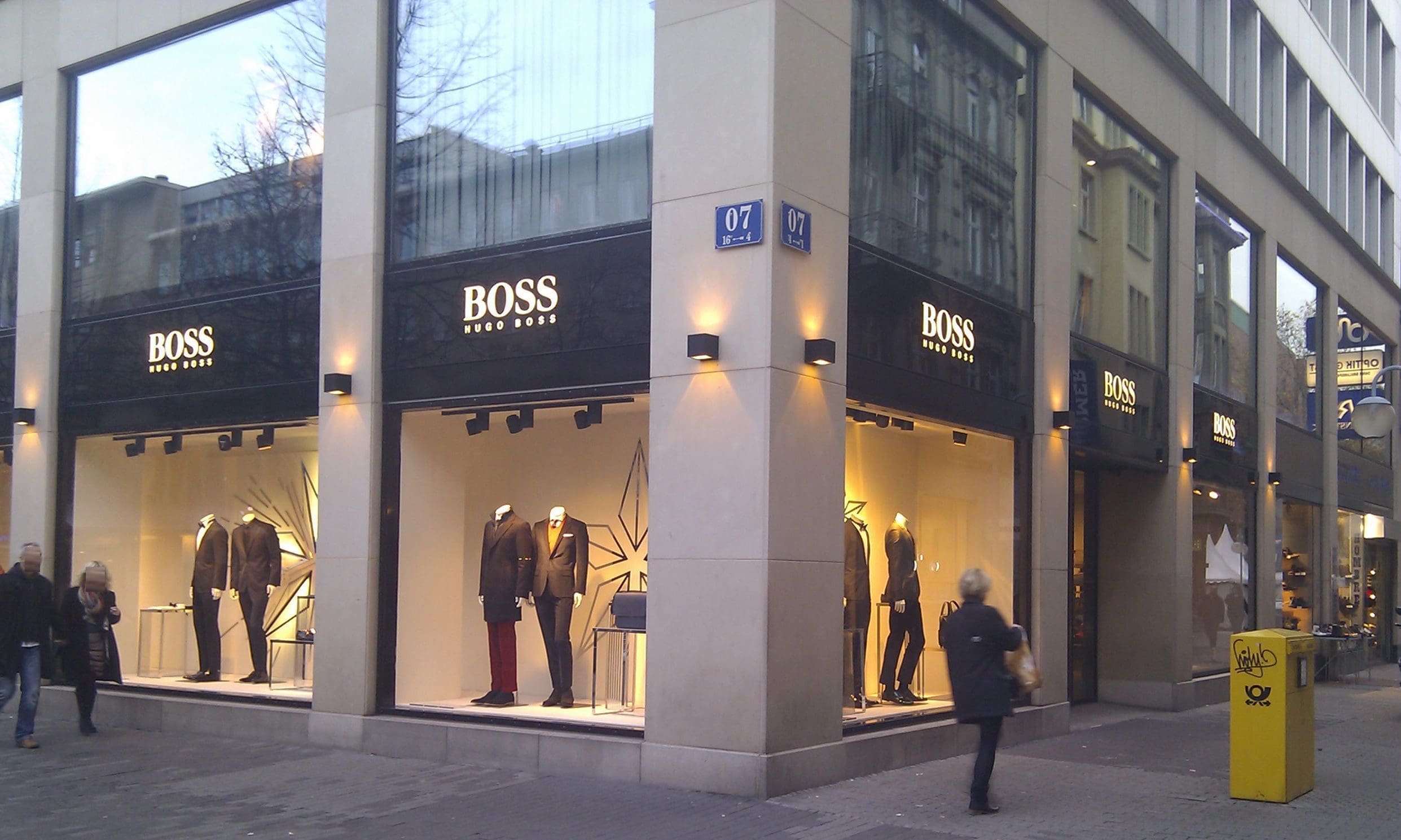
Hugo Boss kicked off 2022 with “social-first” campaigns, for example, that made use of celebrity personalities and hashtags to appeal to millennial and Gen Z audiences. These proved to be record-breaking campaigns for the German luxury fashion label, and while it is still in the throes of this brand refresh, it is not yet done with breaking records as its sales were up by 34% in Q2, marking its “strongest second quarter in the history of Hugo Boss”.
Mulberry also posted positive financial results recently, which detailed how the group’s revenue is up 32% to £152.4m, “reflecting strong recovery post Covid”. Its gross margins outperformed the previous year with 71.7%, while the group more than doubled its sales in South Korea.
The Somerset-based luxury handbag retailer has highlighted the launch of its resale programme ‘Pre-loved Bags’ as the reason for the brand’s successful financial results, as the group clocked onto the rising popularity of resale and other sustainability initiatives amongst younger customers. To further appeal to young, green-minded consumers, 88% of the collection now use leather sourced from environmentally accredited tanneries, which is due to increase to 100% before 2022 is up.
As the Bank of England warns a recession is imminent and forecasted to last well into 2024, many brands will still have to fight for their customer’s loyalty. However, thankfully for Hugo Boss and Mulberry, as luxury labels they are likely to fare much better than other brands; top luxury brands make around £2.3bn a year on average simply because of the market’s exposure to high-income consumers, according to Business of Fashion.
Both brands have seen positive sales across the board in the luxury market, and even though Mulberry hasn’t completely flipped the script in terms of its ethos, it has found a way to keep consumers interested in its offerings by leaning into sustainability as a bonus that comes along with purchasing from them. This comes in useful because as Business of Fashion reported a month ago, a recession would “squeeze” middle class shoppers and make high-spending clients more discerning.
Most other companies will be playing catch-up, an example being Zalando and its reported 58% dip in sales in Q2. However, it seems that ultimately, companies with a “strong brand DNA” such as Mulberry and Hugo Boss will approach these tough trading times as an opportunity and a challenge to diversify, making them attractive to the young consumers of today.