




Register to get free articles
Want unlimited access? View Plans
Already have an account? Sign in
In H2 2021, the national vacancy rate declined by 0.1% from H1 2021, landing at 14.4% – the first decline in the UK vacancy rate since 2018, according to analysis by the Local Data Company (LDC).
It revealed Britain’s retail and leisure sector is “stabilising” following the Covid-19 pandemic. The leisure sector led the way with a record drop of 0.3% in H2 2021.
Over the full year, however, the national vacancy rate increased by 0.7%, although this figure is still lower than expected given the lack of activity in the first three months due to the lockdown.
According to the LDC, the retail vacancy rate now sits at 15.7% and this figure looks set to decline further as more units are taken off the market for repurposing and as retailers return to acquiring new sites.
Shopping centres, which had previously seen the greatest increase in vacancy since the onset of the pandemic, saw a reduction in vacancy rate of 0.3%, bringing the shopping centre vacancy figure back down to 19.1% at the end of 2021.
Additionally, retail parks saw a 0.2% decline in vacancy rate in the second half of 2021, continuing the trend of carrying the lowest vacancy rate of any location type since 2013.
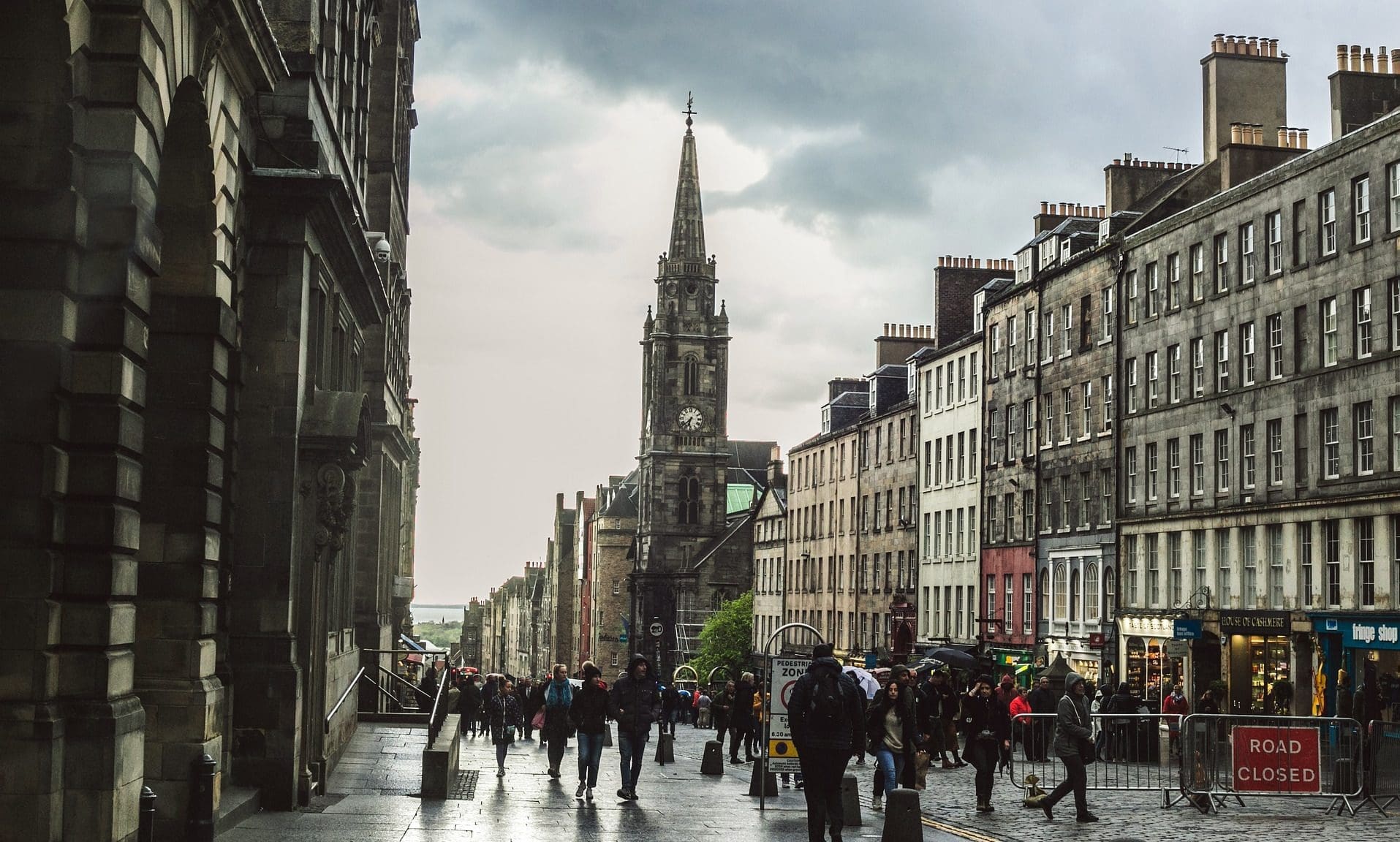
High streets continued to prove more stable than other location types. The vacancy rate for high streets fell by 0.1% in H2 2021. However, high street vacancy rates were only up 2.3% on H2 2019, compared to increases of 3.2% for retail parks and 4.8% for shopping centres over the same period.
The LDC said this suggests that high streets were not as “heavily” impacted by Covid-19 as the other location types due to being less exposed to at-risk brands and having a higher percentage of independent occupiers who benefited from additional government support throughout the pandemic.
Vacancy rates are not expected to return to pre-pandemic levels yet, but they are projected to decline further over 2022 due to the continued redevelopment and repurposing of retail space.
Lucy Stainton, commercial director at the Local Data Company, said: “This latest analysis is significant because the figures finally point to a reversal of the structural decline we had seen accelerate with the onset of the Covid-19 pandemic.
“Going into this, the physical retail market had already been plagued by a number of other headwinds such as online and digital adoption, but coronavirus brought about long periods of restricted trading and this proved insurmountable for many chains across both retail and hospitality.”
She added: “Vacancy rates peaked halfway through 2021 as a result of this but, as we come into 2022, these latest statistics are cause for cautious optimism, with the number of empty shops finally coming down as consumers return to high streets and shopping centres.
“With many chains re-looking at their strategy for growth, the independent sector proving buoyant and an unprecedented level of repurposing and redevelopment, we could be seeing the start of a new phase of physical retailing, and we will be tracking this very closely.”