



Register to get free articles
Want unlimited access? View Plans
Already have an account? Sign in
Consumer card spending grew year-on-year by 13.7% in February, the highest growth since November 2021, as the economy reopened following the lifting of Plan B restrictions and work-from-home guidance.
Data from Barclaycard revealed that spending on essential items rose 12% in February, driven by an 11.2% rise in fuel prices as well as the easing of work-from-home guidance encouraging more Brits to commute.
Supermarket shopping also grew 12.9%, although this was the smallest uplift in the category since February 2020, due to rising living costs. This has led 59% of Brits to seek “greater value for money” to help reduce the cost of their weekly shop.
Almost half of these shoppers (45%) are buying budget or own-brand goods over branded goods in supermarkets.
However, spending on non-essential items saw “strong” growth of 14.5%, which is the “sharpest” increase since November 2021 at 18.3%. Barclaycard said this was due to Brits spending more on discretionary items, holidays and experiences following the easing of restrictions.
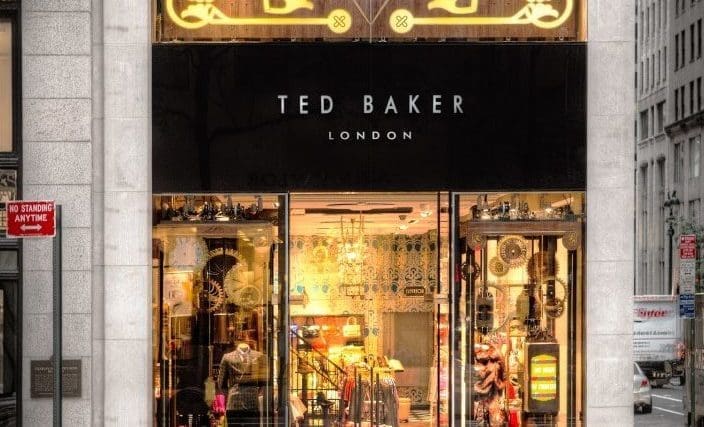
As Brits returned to the office, clothing saw an uplift of 15% and department stores returned to growth at 2.1% after two months of decline in January (-6.1%) and December (-7.1%). Additionally, pharmacy, health and beauty stores rose 13.9%, up from 12.8% in January.
Barclaycard also revealed 41% of consumers are still purchasing small luxuries and treats to “give themselves a boost” despite rising inflation and energy prices, with 23% buying new clothing and accessories. Additionally, 18% are spending on beauty products, rising 26% for women.
Meanwhile, storms Eunice and Franklin meant spending on digital content and subscriptions, as well as takeaways, surged 37.4% and 61% respectively.
Overall, 63% of consumers are feeling “slightly less optimistic” about their household finances, down from 68% in January, resulting from rising living costs. Inflation, rising food prices and energy bills are reportedly the main sources of concern for 89% of Brits, and 46% expect that inflation will affect their household budgeting in 2022.
José Carvalho, head of Consumer Products at Barclaycard, said: “The strong uplifts across both retail and hospitality show that the nation is keen to make the most of life following the easing of Plan B restrictions, with many Brits still purchasing treats to give themselves a boost, and making social and holiday plans for the year ahead.
“As inflation starts to have an impact on consumer confidence, we’re seeing a shift in spending habits as Brits seek more value from their purchases, particularly on supermarket shopping, which saw its smallest growth since February 2020.”