




Register to get free articles
Want unlimited access? View Plans
Already have an account? Sign in
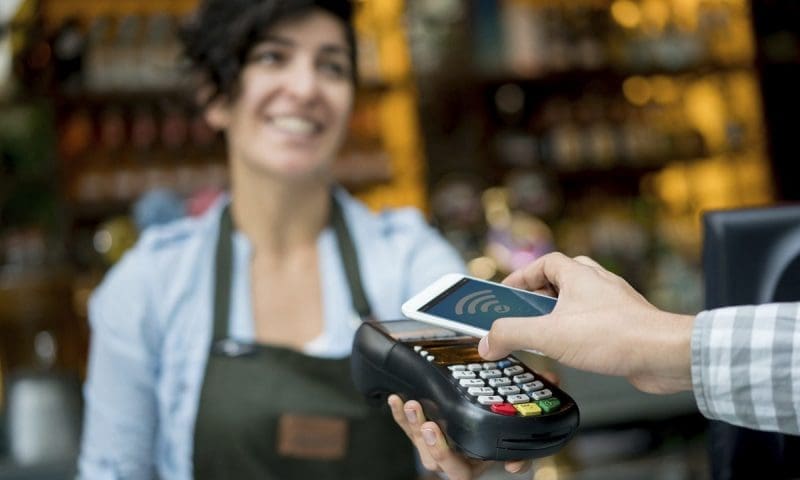
Consumer card spending rose by only 7.4% in January compared to the same period in 2020, marking the smallest uplift since April 2021, as spending was dampened by ongoing Plan B restrictions, inflation, and rising energy costs.
Data from Barclaycard found that spending on essential items grew by 10.4%, the smallest rise in nine months. It said this could be largely attributed to fuel spend seeing its slowest rate of growth (6.7%) since October 2021, as Plan B Covid restrictions throughout most of the month meant consumers travelled less and worked from home instead of commuting.
Despite rising inflation, supermarket spending saw its smallest rise since before the onset of the pandemic at 13.6%. It comes as consumers reportedly shifted their spending to food and drink specialist retailers, suc as butchers and recipe subscription service, which saw spending soar by 67.3%.
Meanwhile, spending on non-essential items witnessed a “noticeably smaller growth” at 6.1%, having seen a growth of 11.5% in December. This was again attributed to both Plan B guidance and the continued rise in the cost of living.
It comes as 89% of consumers said they were concerned about the impact of rising inflation on their household finances, while 30% said they expect increasing household bills to affect the amount they spend on discretionary purchases.
With more consumers staying at home, face-to-face retail spending, excluding grocery, fell by -8.5%, while spending on clothing (4.9%) and sports and outdoor retailers (14.5%) recorded a lower level of growth than in December (8.8% and 22.0% respectively).
Overall, while Barclaycard said these headwinds are “likely to persist” over the coming months, it said their near-term impact may be “somewhat mitigated” by anticipated uplifts from Valentine’s Day, more inbound tourism, and consumers spending more on activities and experiences to “lift their spirits during the winter months”.
A quarter of UK adults said they are spending more on items and experiences to lift their spirits and stay motivated, with 39% of these planning to eat and drink out more often. In addition, 31% said they feel confident that the vaccine booster rollout will lead them to increase their spending on socialising and shopping in-store.
Barclaycard said Valentine’s Day should also give retailers and restaurants a further boost, as 28% of consumers said they plan to celebrate the occasion, with this year’s budget for the day set to increase from an average of £63 during lockdown in 2021, to an average of £77 this year. Those celebrating will be looking to spend this increased budget eating out at a restaurant (30%) and buying a gift for their partner, such as chocolates or jewellery (29%).
Jose Carvalho, head of Consumer Products at Barclaycard, said: “January’s Covid restrictions, combined with the rise in the cost of living, clearly impacted consumer spending levels in January.
“While restaurants and bars, pubs and clubs were inevitably hampered by the ongoing pandemic, there are signs of brighter times ahead for hospitality as Brits say they’re planning to spend more on eating and drinking out to lift their spirits during the winter months.”
He added: “The lifting of Plan B restrictions should also provide a welcome boost to many sectors, as workers travel back into the office and socialise over post-work drinks, while businesses will likely start to see the benefits of increased inbound tourism on retail sales too.”